Top ten EdTech stories of the week: AI leadership shifts, platform changes, and workforce funding
From university AI rollouts and national funding rounds to leadership exits, assessment pilots, and classroom platform updates, the week centered on AI moving deeper into institutional systems across higher education, schools, and workforce training.

Last week’s most-read stories show artificial intelligence consolidating inside institutions rather than sitting at the edge of experimentation. Universities formalized AI access at scale, governments tied funding to skills and portable credentials, global technology firms expanded multimodal classroom tools, and nonprofit partnerships pushed AI assessment into underserved school systems.
Leadership moves across research institutes and major platforms added further momentum, as AI strategy, infrastructure investment, and workforce alignment tightened across both education and industry.
10. Conor Grennan steps down as NYU Stern Chief AI Architect
In at number ten, Conor Grennan confirmed he is stepping down as Chief AI Architect at NYU Stern School of Business after 12 years at the institution. Grennan said on LinkedIn that he will leave officially on March 1 to focus fully on his consultancy, AI Mindset, which he founded in April 2024. During his tenure, he led generative AI adoption across faculty, administration, and students, positioning Stern among business schools formalizing AI leadership at executive level.
9. Beep raises $850,000 to scale AI career platform across Tier 2 and Tier 3 cities
Taking the ninth spot, Pune-based EdTech company Beep secured $850,000 in a Pre-Series A round to expand its AI-driven career platform targeting students in India’s Tier 2 and Tier 3 cities. The funding, backed by Knowhere Ventures and other investors, will support growth to five million users and 150 additional college partnerships within nine months. The platform combines mentorship, structured upskilling programs, and AI-powered hiring tools aimed at improving placement outcomes beyond major metropolitan hubs.
8. Anthropic partners with Pratham to deploy AI assessment tool across Indian schools
At number eight, Anthropic partnered with Pratham Education Foundation to roll out a Claude-powered formative assessment system across Indian schools. The Anytime Testing Machine converts handwritten responses into text, grades them against structured rubrics, and generates feedback, with pilot accuracy improving from 30 percent to roughly 80 percent alignment with subject matter experts. The tool is being piloted in 20 schools and adapted for thousands of learners preparing for national board exams.
7. Microsoft outlines $50 billion AI investment across the Global South
In at number seven, Microsoft confirmed it is on pace to invest $50 billion by the end of the decade to accelerate AI adoption across the Global South. The five-part strategy spans infrastructure buildout, educator skilling, multilingual AI development, local innovation programs, and adoption tracking. In India, the company aims to train 20 million people in AI skills by 2030, including two million teachers through Microsoft Elevate for Educators.
6. Microsoft Research AI scientist joins Bezos-backed Project Prometheus
Closing out the first half at number six, Tian Xie has left Microsoft Research AI for Science to join Project Prometheus as a founding member of technical staff. The startup, reportedly backed by $6.2 billion and co-led by Jeff Bezos, is developing AI systems focused on engineering and manufacturing applications rather than consumer-facing chat tools. The move highlights continued talent migration from established research labs into heavily financed early-stage AI ventures targeting industrial and physical economy use cases.
5. University of Colorado rolls out ChatGPT Edu systemwide in OpenAI partnership
Entering the top five, the University of Colorado confirmed a three-year agreement with OpenAI to deploy ChatGPT Edu across all four campuses and the system office. The rollout provides up to 100,000 students, faculty, and staff with access to institution-managed AI environments, with $2 million in annual licensing covered in year one. Each campus will operate its own secure instance, and faculty authority over course design and AI use remains unchanged.
4. Skillsoft lays off entire Codecademy curriculum team
In at number four, Skillsoft cut the entire curriculum team at Codecademy, according to Senior Curriculum Director Zoe Bachman, who confirmed the move publicly. The layoffs affect the group responsible for interactive programming content, career paths, and AI-powered learning features. The restructuring raises immediate questions about how content development and instructional design will operate at the coding platform following its 2022 acquisition.
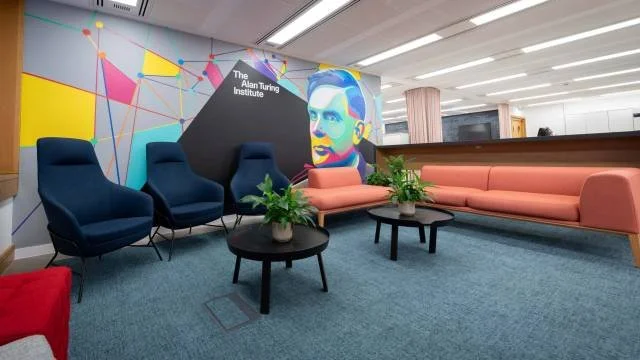
3. Alan Turing Institute appoints George Williamson as CEO
Breaking into the top three, the Alan Turing Institute named Dr George Williamson CMG as Chief Executive Officer, marking a leadership shift at the UK’s national AI institute. Williamson joins from HMGCC and is set to take over in May, as the institute pivots toward sovereign capability, national resilience, and applied AI aligned with defense, infrastructure, and security priorities.
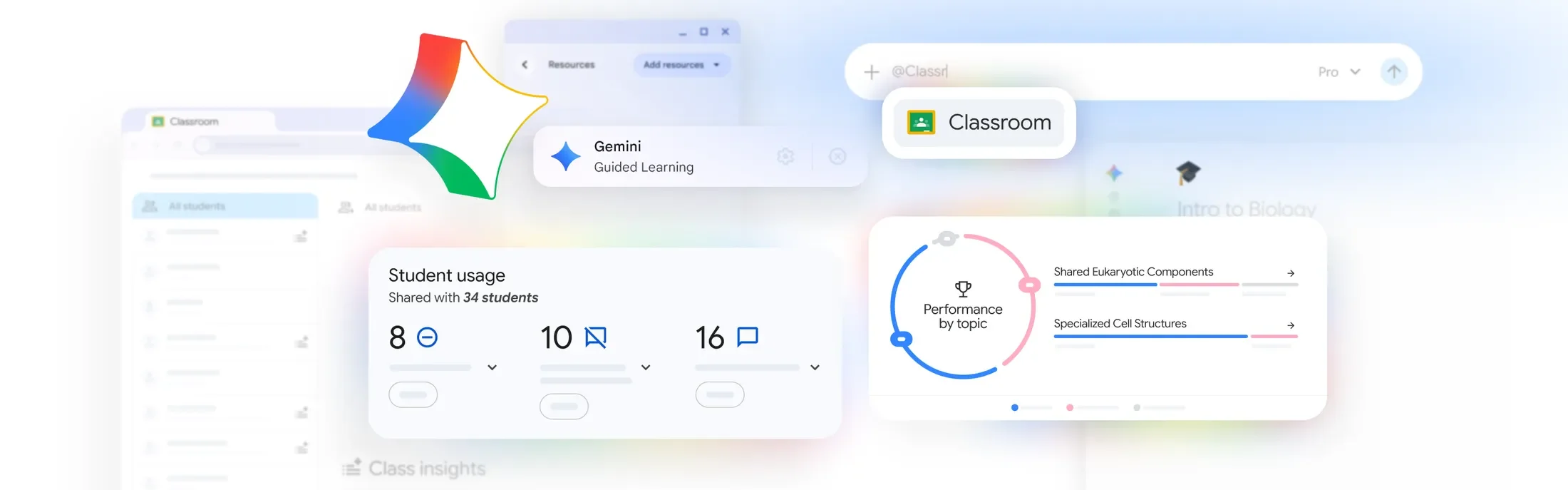
2. Google Classroom adds built-in audio, video, and screencast recording
Taking the second spot, Google introduced native audio, video, and screencast recording directly inside Google Classroom for Education Plus and Teaching and Learning accounts. The web-based update embeds recording functionality into assignments, private comments, announcements, and submissions, reducing reliance on third-party tools and consolidating multimodal workflows within the Classroom environment.
1. U.S. Department of Labor opens $65 million round for community college training
Claiming the top spot this week, the U.S. Department of Labor announced $65 million in Round 6 funding for its Strengthening Community Colleges Training Grants program. The funding targets short-term, employer-aligned programs eligible for Workforce Pell Grants, with awards between $6.5 million and $10.8 million expected. The initiative continues federal efforts to align portable, stackable credentials with employer demand and statewide workforce systems.