Alan Turing Institute names George Williamson as CEO to lead next phase of UK AI strategy
Former HMGCC chief to lead UK’s national AI institute as it pivots toward sovereign capability and national resilience.
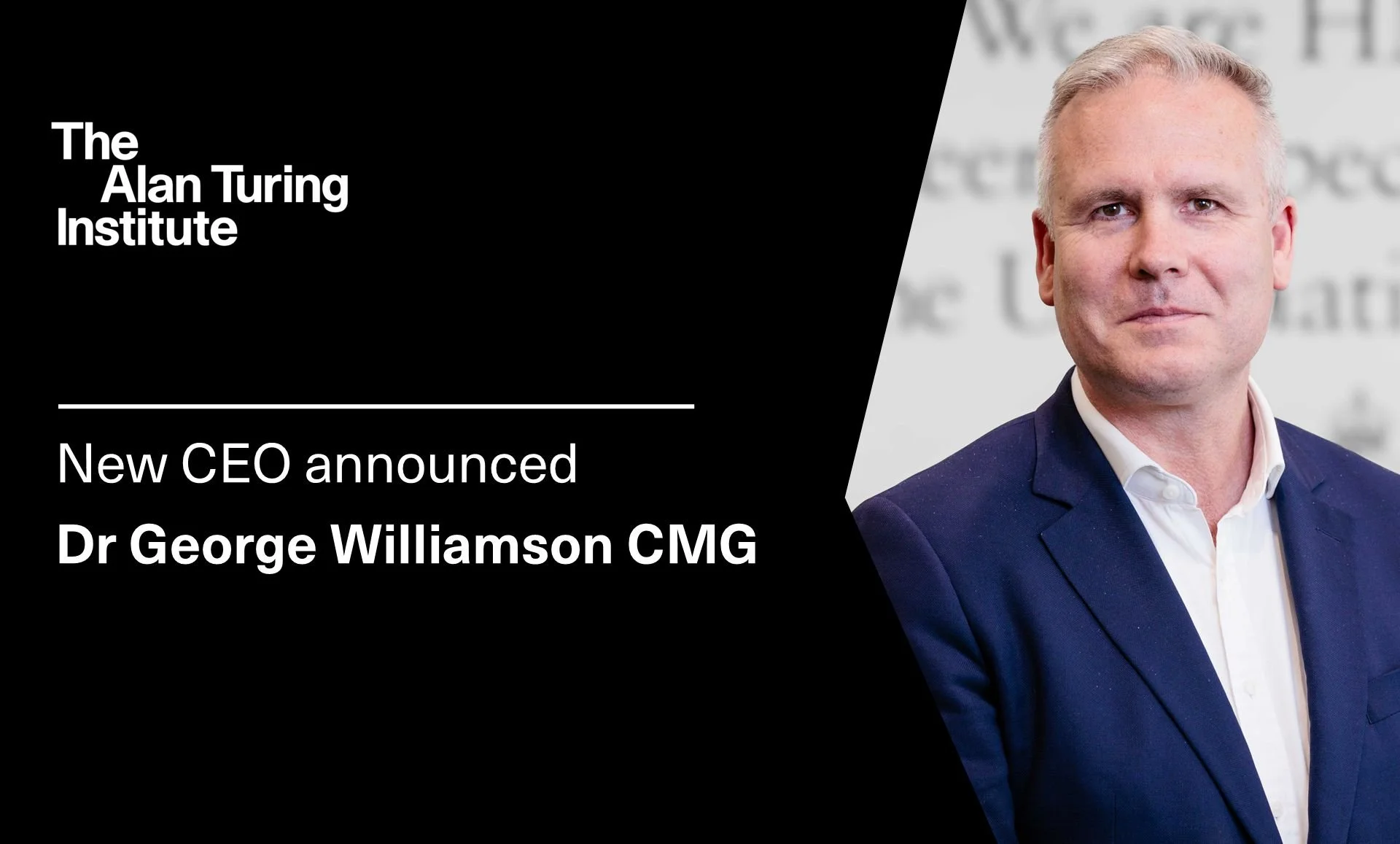
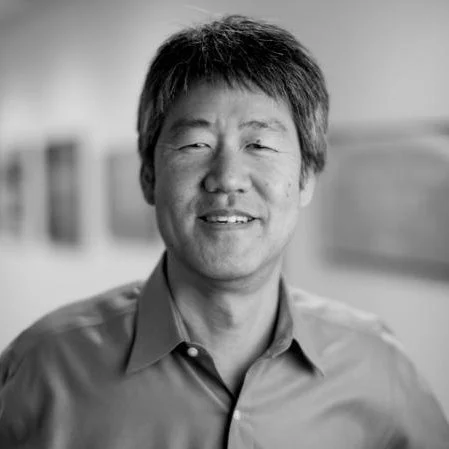
The Alan Turing Institute has appointed Dr George Williamson CMG as its new Chief Executive Officer, marking a leadership change as the UK’s national AI and data science institute shifts focus toward sovereign capability and national resilience.
Williamson joins from HMGCC (His Majesty’s Government Communications Centre), where he has served as CEO since 2021. He is expected to take over from Acting CEO Professor Mark Girolami in May.
The appointment comes as the Turing embarks on a new program of work aimed at strengthening national capability in areas including defense, security, critical infrastructure, environment, and sustainability.
National security and AI leadership
At HMGCC, Williamson led the organization’s work to create tools and technologies for the national security community. Under his leadership, HMGCC increased public engagement to facilitate collaboration with industry and academia.
Prior to HMGCC, Williamson held senior roles within the Foreign, Commonwealth and Development Office, most recently as Director General in Technology. He has served in the UK diplomatic service for more than 20 years in roles across the UK and overseas.
Williamson says: “It’s a privilege to join the Alan Turing Institute as CEO at a moment when AI and data science will shape the UK’s national security and resilience like never before. The Turing’s world class research and leadership are driving the breakthroughs that will underpin the nation’s strength and future prosperity, and our ambition will match the scale of this moment. I’m energised to build on the spirit of innovation and service that defined Alan Turing’s pioneering work at Bletchley Park and Hanslope Park.”
A pivotal moment for UK AI
Dr Doug Gurr, Chair of the Alan Turing Institute’s Board of Trustees, says: “We are absolutely delighted George will be leading the Turing into an exciting new phase, bringing with him a wealth of experience of working across research, government and industry to ensure new technologies deliver impact for the UK. I’m excited to see George drive forward the Turing’s work to translate research into cutting-edge capability that makes the UK more resilient.”
Professor Charlotte Deane, Executive Chair at the Engineering and Physical Sciences Research Council (EPSRC), says: “We’re pleased to welcome George Williamson and look forward to working with him to take the Alan Turing Institute forward at such a pivotal time for UK AI and data science. His appointment will support our continued efforts to strengthen national capability in an area of growing strategic importance. George brings a depth of experience that will further strengthen the Institute’s ability to deliver work that improves lives, supports national priorities, and ensures the benefits of data driven innovation are realised across society.”
From research to capability
The leadership transition reflects a broader shift at the Turing toward translating AI research into applied capability aligned with national priorities. The institute’s new direction emphasizes resilience across defense, infrastructure, environmental systems, and sustainability.
For the UK AI ecosystem, the appointment signals continued alignment between academic research, government strategy, and national security objectives. As AI policy and sovereign capability become increasingly central to economic and geopolitical planning, leadership experience across government and technology will be closely watched.
Williamson’s appointment is expected to formalize in May, when he succeeds Professor Girolami.
ETIH Innovation Awards 2026
The ETIH Innovation Awards 2026 are now open and recognize education technology organizations delivering measurable impact across K–12, higher education, and lifelong learning. The awards are open to entries from the UK, the Americas, and internationally, with submissions assessed on evidence of outcomes and real-world application.