OpenAI announces new Teen Safety Blueprint for India aiming to make ChatGPT safer for teen users
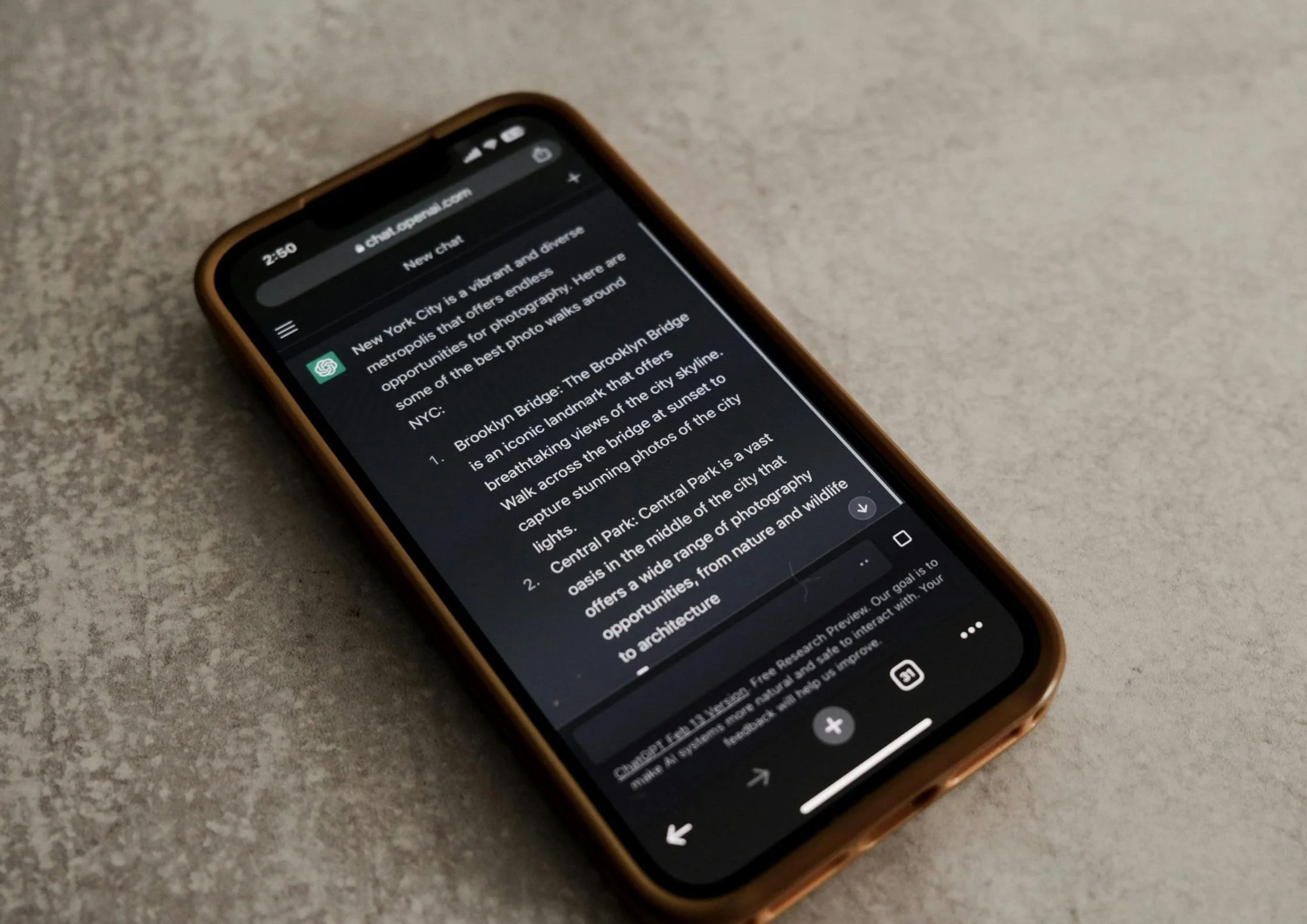
The guidance explains how ChatGPT will treat its teenage users with more caution, adding in age-appropriate protections as its default setting and built-in parental controls.
Parents can set blackout hours and will be alerted if their child’s activity suggests they may intend to harm themselves.
“For Indian teens, understanding what AI is, how it works, where it can fail, and how to use it safely will be a core skill for the future,” the guidance reads.
Pragya Misra, Head of Strategy and Global Affairs, India at OpenAI, shared on LinkedIn: “India is one of the world’s youngest digital societies. For many teens, AI will be part of how they study, explore ideas, and build skills. Ensuring that experience is safe, age-appropriate, and responsible is not optional, it’s foundational.”
The development follows months after a lawsuit was filed in San Francisco against OpenAI and CEO Sam Altman by the parents of a 16-year-old boy who died by suicide. The case alleges ChatGPT validated the teenager’s suicidal thoughts, discouraged him from talking to his parents, and the AI even drafted multiple suicide notes. The company has since rolled out a series of parental controls and age verification systems.
OpenAI India says it will seek feedback from its teen users, as well as parents, educators and experts, including its Expert Council on Wellbeing and AI to help improve the protections. It will also work with schools, teachers, and researchers on how it can help teen users benefit from AI at school and in their future careers.
Misra added that the Blueprint was not intended to be a “static document”. She added: “We are committing to sustained, ongoing engagement across India with teens, parents, educators, child-safety and mental health experts, researchers, and policymakers to continuously test, refine, and strengthen these protections. As we learn, the framework will evolve.
“If AI is to expand opportunity at scale in India, it must first earn trust with young people and their families. That work requires partnership and we are in it for the long term.”
The National Suicide Prevention Lifeline is available in the US on 988, 988lifeline.org, or text HOME to 741741. In the UK and Ireland, Samaritans can be contacted on freephone 116 123, or email jo@samaritans.org or jo@samaritans.ie. International helplines can be found at befrienders.org.