Arizona State University students pitch AI tools to improve campus life
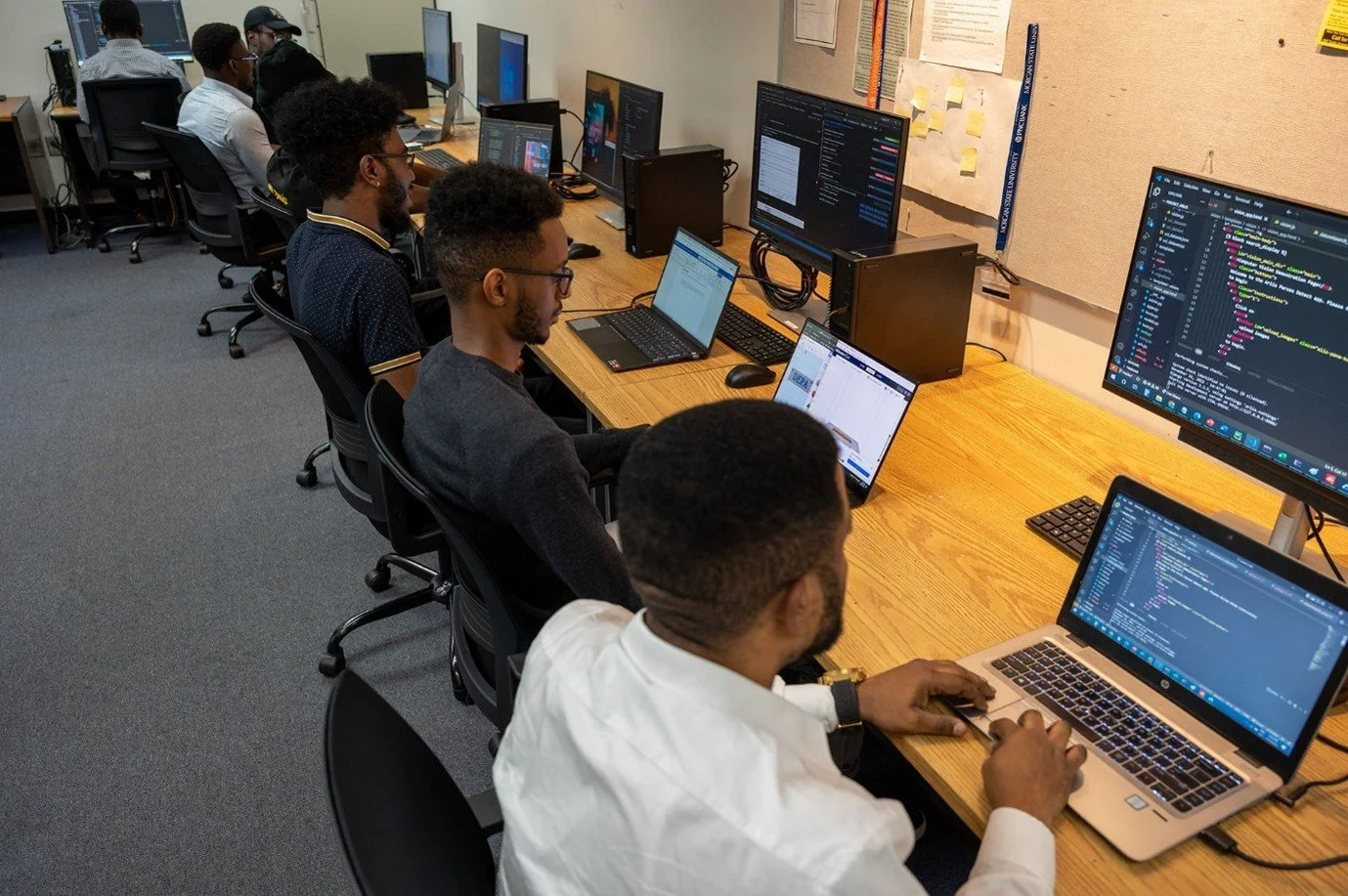
Arizona State University has launched a student-led AI challenge that puts undergraduates at the center of campus technology development, with projects spanning study support, mental health, entrepreneurship, and student engagement.

Arizona State University has opened a new phase of its AI Acceleration work by inviting students to design and pitch AI-powered solutions aimed at improving the day-to-day university experience.
Through the AI Acceleration Student Innovation Challenge, student teams are developing concepts that could influence how ASU approaches learning support, wellbeing, and campus services, reflecting a wider shift toward participatory AI development in higher education.
The initiative, which the university shared publicly on LinkedIn, brings sixteen students into a structured, three-week program where they move from ideation to prototype. Four teams will ultimately present their work to ASU Chief Information Officer Lev Gonick and the AI Acceleration leadership team, with one project expected to inform future development work.
The challenge began with ideation presentations on January 16 and is coordinated by AI Innovation Specialist Grace Kossia and Product Manager Abang Faith Timoh. Students work with mentors and AI Acceleration resources as they refine their concepts into functional proposals.
“We want to see these ideas come to life,” says Kossia.
Unlike traditional EdTech pilots driven by vendors or central IT teams, the program places lived student experience at the core of product design. The approach reflects growing interest across higher education in using AI not only to automate services, but to respond more directly to how students navigate academic and campus life.
Four AI concepts shaped by student experience
One team has proposed “Study Buddy,” an AI-powered study companion that integrates with Canvas to help students organize materials and identify gaps ahead of exams. The concept focuses on reducing time spent preparing to study rather than replacing learning itself.
“It’s the day before an exam,” says Mariam Serghat. “You’re cramming, there’s an overwhelming amount of material to sort through, and you’re unsure of what you’re struggling with and what you might be tested on. You spend hours just trying to organize everything, and then you finally start studying, and now you’re short on time.”
A second group is developing a proactive mental health platform that uses indicators such as academic performance and social engagement to flag when students may need support. The aim is to address what the team sees as an overreliance on self-referral.
“We saw that mental healthcare at ASU was very much a reactive system,” comments Vibhor Bhatia. “We saw that if someone is in a position that they do need a lot of help, they're not usually in the right state of mind to actually be able to put in the steps of reaching out. We thought a good way to try and surpass that would be creating a sense of predictive system.”
A third team has pitched an AI-powered launchpad for student entrepreneurs, designed to help early-stage ideas gain traction by connecting students with mentors, advisors, and resources.
“I have had an idea for a student organization, but had no idea who else would be interested, how to find an advisor or if the solution would have an impact on the ASU community,” explains Powj Nyibong. “But the issue wasn't that there wasn’t an idea, there was no momentum.”
The fourth concept focuses on a centralized social and academic engagement platform that brings together office hours, campus events, and space bookings, particularly for students moving between ASU campuses.
“If you go to another campus and you’re kind of unfamiliar with it, you can see there’s all these things happening,” says Prince Rwamatwara. “Games, events, you can book study rooms, and currently, these services are scattered around. So the idea is to centralize everything.”
From pitch to prototype
Each team has three weeks to develop its proposal using AI Acceleration tools before presenting a final prototype. The selected project is expected to help guide the direction of future AI Acceleration work at ASU.
“This is a new group of students that started in June of 2025, and seeing them progress over time has really been so amazing,” says Timoh. “I'm so excited to see how they're going to build their ideas into fruition and see how this can shape the future of the next project our team is going to work on.”
For EdTech observers, the challenge offers a practical example of how universities are beginning to treat students not just as users of AI systems, but as contributors to their design, with implications for how campus AI strategies evolve.
ETIH Innovation Awards 2026

The ETIH Innovation Awards 2026 are now open and recognize education technology organizations delivering measurable impact across K–12, higher education, and lifelong learning. The awards are open to entries from the UK, the Americas, and internationally, with submissions assessed on evidence of outcomes and real-world application.