Raspberry Pi Foundation brings Kenyan partners together as computing education scales nationwide
The Raspberry Pi Foundation has convened its first Kenya Partner Showcase, highlighting how localized computing curricula, teacher development, and AI literacy efforts are gaining traction across formal and non-formal education settings.
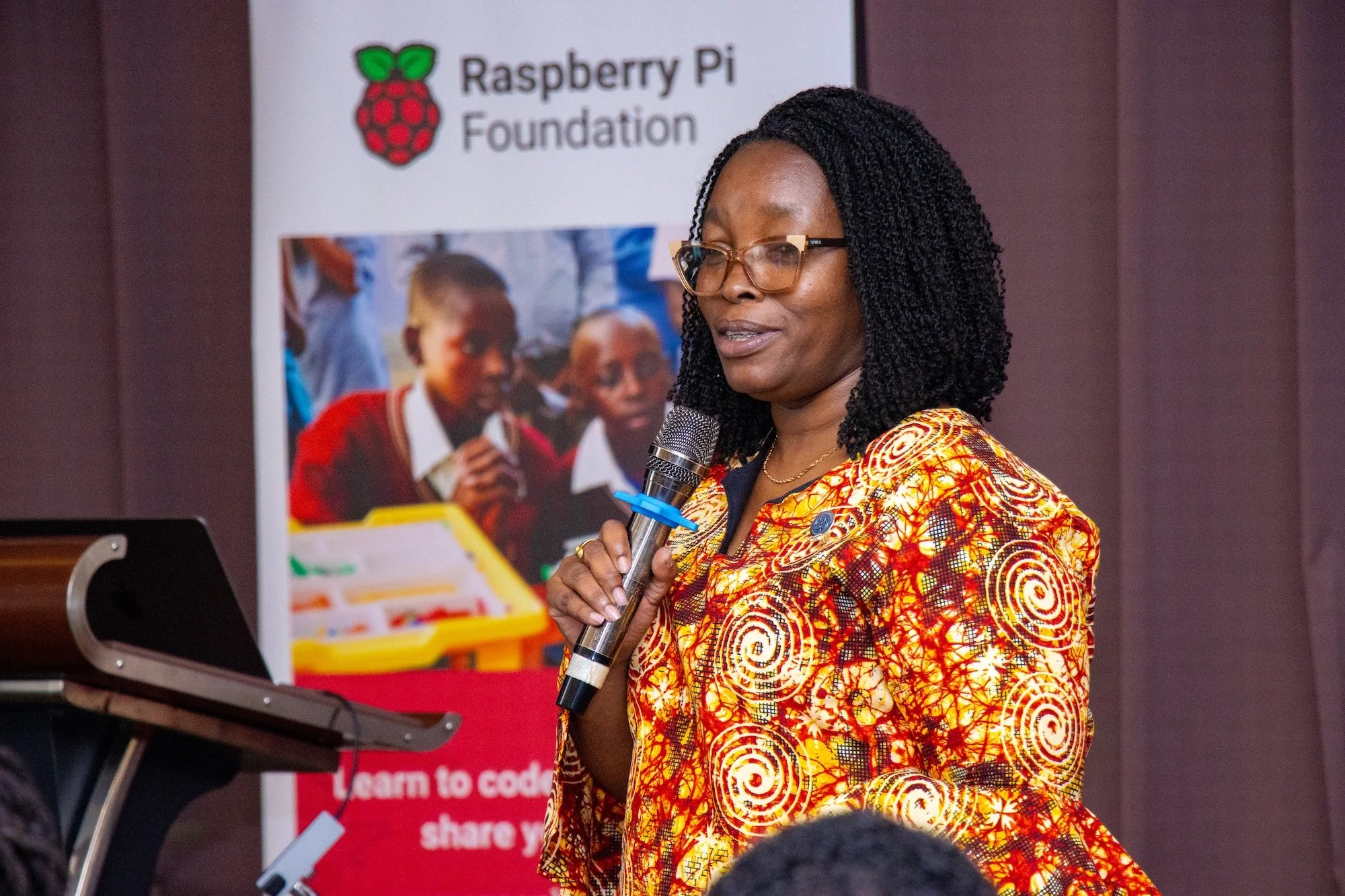
The Raspberry Pi Foundation has held its first Kenya Partner Showcase, bringing together education and community partners from across the country for two days of collaboration focused on computing education, teacher development, and AI literacy.
The event reflects a shift from pilot activity toward more coordinated delivery as computing programs expand into classrooms, community settings, and underserved regions.
From pilots to coordinated delivery
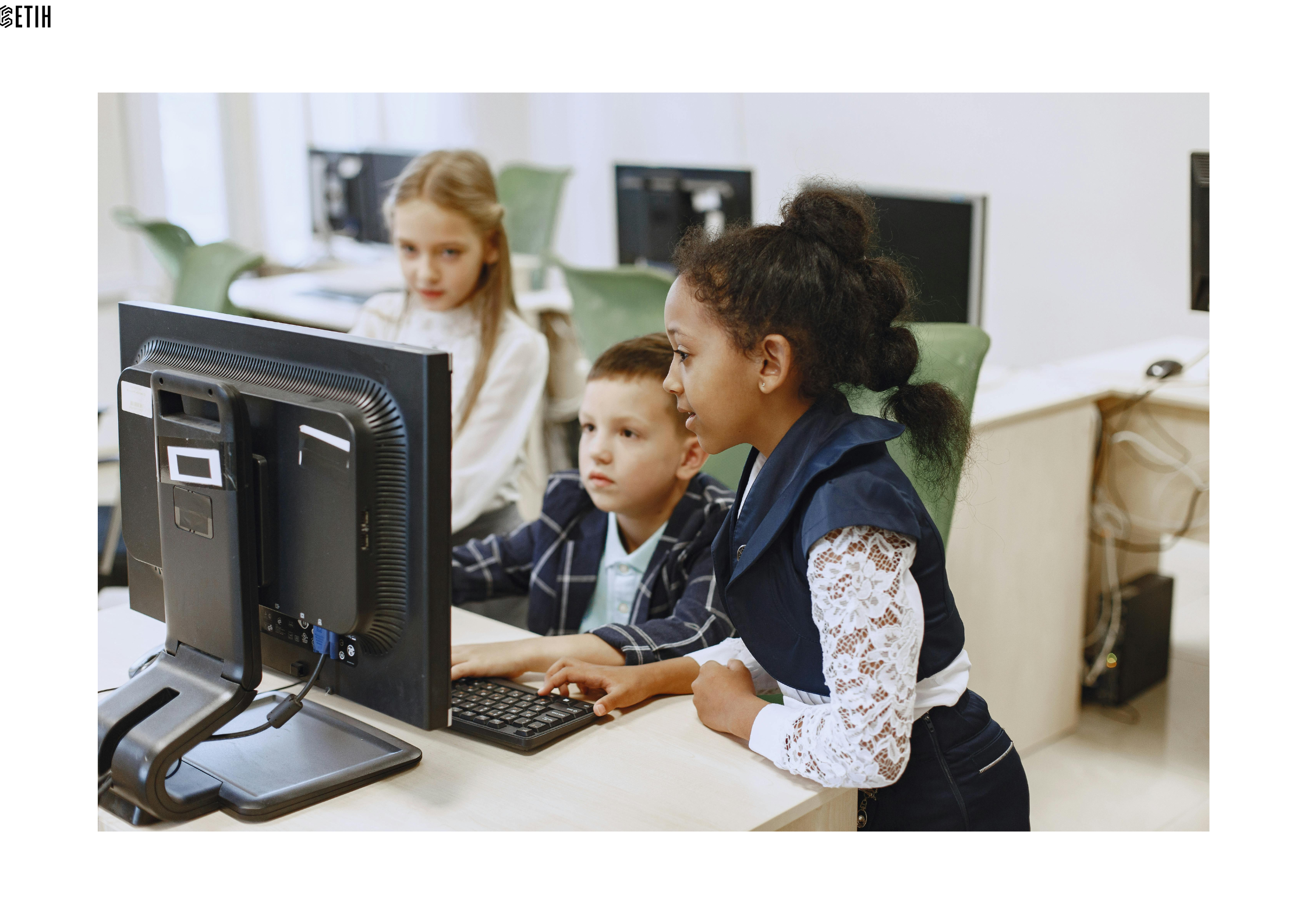
Partners attending the showcase shared progress on implementing localized computing curricula, teacher professional development programs, and AI literacy resources in both formal schools and non-formal learning environments. Discussions focused on how these programs are being adapted to local contexts, including arid and semi-arid land regions, where access to technology and connectivity remains uneven.
According to the Foundation, the event marked a point of reflection on how computing education in Kenya has evolved since partnerships began in 2023, with increasing alignment now visible between delivery partners, government stakeholders, and community organizations. Participants highlighted how structured engagement with national systems is beginning to influence policy discussions around computing and digital skills.
“This initiative represents a pivotal moment for education,” says Betty Oloo Anderson, National Executive Officer at the Kenya Girl Guides Association. “Through these programmes, we are equipping young people to become future-ready leaders of integrity and impact.”
Teacher development and AI literacy in focus
A central theme across sessions was teacher capacity. Partners presented on how embedding computing into teacher professional development frameworks is improving confidence and classroom practice, particularly through progression from block-based programming to text-based languages such as Python.
AI literacy also featured prominently, with partners discussing how national conversations are shifting away from fears of AI replacing teachers toward clearer understanding of AI’s capabilities and limitations. Sessions emphasized the role educators play in guiding students to use and build AI tools responsibly, rather than treating AI as an automated solution.
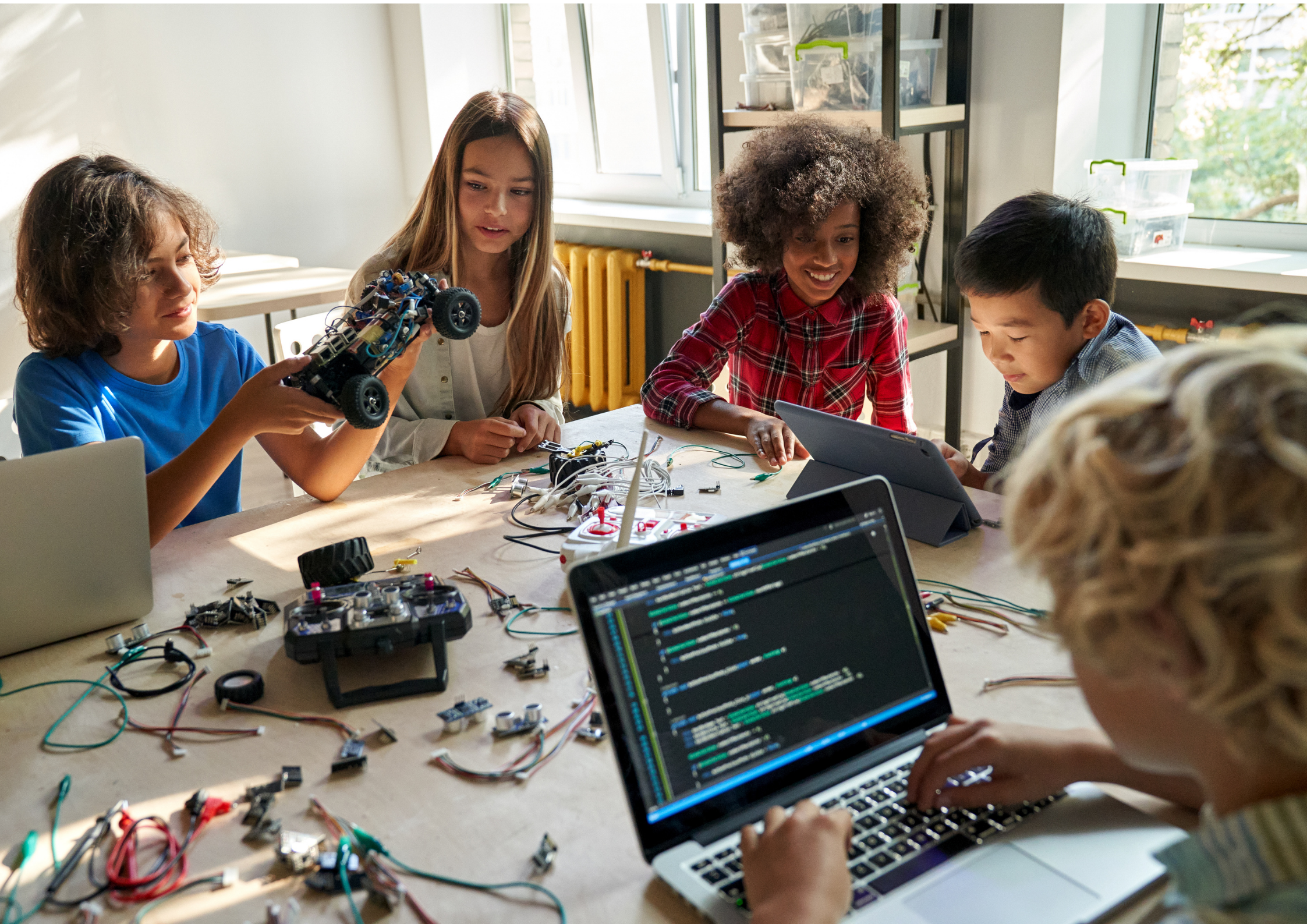
Hands-on demonstrations, including physical computing activities and curriculum-aligned transitions between programming environments, showed how practical computing is becoming more embedded across learning settings.
“Running Raspberry Pi Foundation programmes has been a transformative journey. It has challenged us to innovate, document rigorously, and continually place learners at the center of every decision,” says Joel Kahindi, Programme Coordinator at STEAMLabs Africa.
Toward a more connected ecosystem
The showcase also surfaced a growing emphasis on coordination between partners. Discussions explored how existing collaborations are leading to new partnerships around devices, connectivity, and shared delivery models, particularly in underserved communities. Participants working in remote regions described how localized tools and community-centered connectivity efforts are helping schools access computing resources despite infrastructure constraints.
A co-creation sprint focused on Code Club delivery highlighted shared challenges, including educator onboarding, sustainability beyond donor funding, and integrating clubs into school schedules. Partners expressed interest in forming a more unified Code Club network in Kenya to support communication, shared resources, and visibility.
The Foundation says it plans to continue highlighting how this collective work develops through 2026.
ETIH Innovation Awards 2026
The ETIH Innovation Awards 2026 are now open and recognize education technology organizations delivering measurable impact across K–12, higher education, and lifelong learning. The awards are open to entries from the UK, the Americas, and internationally, with submissions assessed on evidence of outcomes and real-world application.