Vanderbilt University rolls out expanded EdTech stack as generative AI access scales campus-wide
The university has widened its EdTech and AI infrastructure, introducing a coordinated rollout of ChatGPT Edu, internal generative AI tools, and workforce-focused training as part of a broader shift toward institution-managed AI use.

Vanderbilt University has expanded its campus-wide EdTech rollout, introducing a coordinated set of generative AI tools and training programs for faculty, students, and staff.
The latest phase brings together OpenAI’s ChatGPT Edu, Vanderbilt’s internally developed Amplify 2.0 platform, and Grow with Google certifications, signaling a shift toward institution-managed AI infrastructure rather than isolated pilots or ad hoc adoption.
The move matters as higher education institutions increasingly look to embed AI tools into everyday academic and professional workflows, while maintaining control over data security, responsible use, and skills development. At Vanderbilt, the rollout positions AI access as part of the university’s core digital environment, supported by training and governance rather than left to individual experimentation.
ChatGPT Edu added to institution-managed AI environment
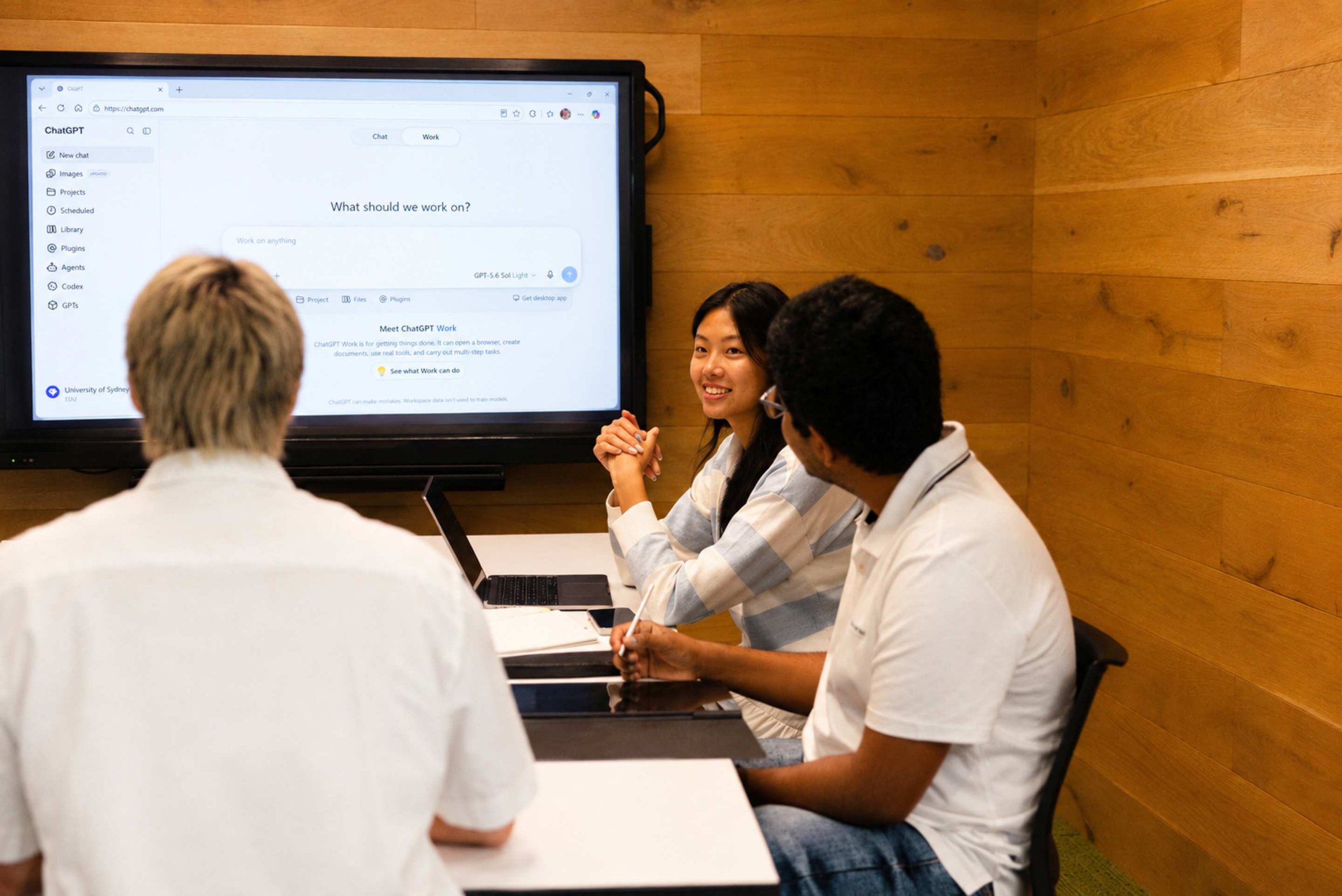
As part of the expanded rollout, Vanderbilt has made ChatGPT Edu available at no cost to all faculty, students, and staff with a vanderbilt.edu email address. The university-specific deployment provides secure access to OpenAI’s models through familiar desktop and mobile interfaces, with usage governed by institutional standards rather than personal accounts.
The deployment follows months of collaboration between Vanderbilt’s Office of Learning Innovation, Vanderbilt University Information Technology (VUIT), and OpenAI. Nicole Carter, GTM for Education at OpenAI, shared the update on LinkedIn, noting that Vanderbilt is pairing access with training, enablement, and guidance on responsible classroom use.
Provost C. Cybele Raver says, “As generative AI becomes part of everyday academic and professional work, Vanderbilt is taking a deliberate, multi-tool approach—ensuring our community has access to the right technologies to support creativity, discovery, and impact across the university.” She adds, “Through partnerships with OpenAI and Google, and in close collaboration with our colleagues in the College of Connected Computing, we’re expanding secure, cutting-edge AI tools so faculty, students and staff can use AI thoughtfully and effectively in the wide range of work they do every day.”
To support adoption, the Office of Learning Innovation is providing workshops, quick guides, and an AI Faculty Toolkit, working alongside VUIT, University Libraries, and the university’s Amplify GenAI Innovation Center.
Amplify 2.0 expands model access and research tools
Alongside ChatGPT Edu, Vanderbilt is rolling out Amplify 2.0, an upgraded version of its internal generative AI platform developed through the Amplify GenAI Innovation Center. First launched in November 2024, Amplify provides a secure environment for research and customized applications, particularly where sensitive data is involved.
The updated platform offers access to models from Anthropic, OpenAI, Nova, and Mistral, and introduces tools including a personal AI email assistant, scheduling agent, intelligent note-taker, and custom chatbots. Amplify 2.0 is being rolled out during January and February, with existing users upgraded automatically.
Jules White, senior advisor to the chancellor on generative AI in enterprise and education and professor of computer science, says, “Though Vanderbilt was an early leader in generative AI, we are only beginning to unlock the full potential of this technology on campus.” He adds, “With these new offerings, we’re driving innovation through a radically collaborative network of tools and resources that span everything from basic prompts to custom integrations that actively work alongside you.”
Workforce training added through Grow with Google
The expanded EdTech rollout also includes access to Grow with Google, a workforce-focused training initiative delivered through Coursera in partnership with Google. The program offers certificates and specializations in areas including analytics, project management, UX design, cybersecurity, digital marketing, and IT support.
Mallika Vinekar, assistant provost and executive director of the Office of Learning Innovation, says, “Vanderbilt’s partnership with Coursera has fueled generative AI use on campus and introduced the Vanderbilt brand to millions of people worldwide.” She adds, “Grow with Google builds on this partnership to power targeted workforce training in a range of competitive fields, and I’m excited to share these certifications and specializations with our community.”
The latest announcements build on Vanderbilt’s earlier campus-wide deployment of Microsoft Copilot and reflect a broader trend in higher education toward curated AI ecosystems. Rather than relying on a single platform, Vanderbilt is consolidating tools, training, and oversight into a unified EdTech strategy designed to scale AI use while maintaining institutional control.
ETIH Innovation Awards 2026
The ETIH Innovation Awards 2026 are now open and recognize education technology organizations delivering measurable impact across K–12, higher education, and lifelong learning. The awards are open to entries from the UK, the Americas, and internationally, with submissions assessed on evidence of outcomes and real-world application.