BETT 2026: The ten most-read stories from the biggest EdTech show of the year
From government policy signals and global expansion plans to classroom-ready AI tools, assessment reform, and higher education strategy, ETIH’s most-read BETT 2026 coverage shows where attention, debate, and decision-making were most concentrated .

BETT 2026 quickly made clear where the sector’s attention now sits. Artificial intelligence dominated not as a future concept, but as something schools, universities, and policymakers are already expected to manage, govern, and use with confidence. Reader interest focused on how AI is showing up in classrooms, assessments, and institutional strategy, alongside sharper conversations about inclusion, accountability, and scale. The most-read stories point to a sector under pressure to move beyond pilots and guidance, using BETT as a moment to test ideas, set direction, and decide what comes next.
10. LEGO Education spotlights AI and hands-on learning across keynote and classroom sessions
In at number ten, LEGO Education used BETT 2026 to outline its approach to AI literacy through a keynote and classroom-based sessions, focusing on helping students understand how AI systems work rather than simply how to use tools. The sessions included contributions from educators at LEO Academy Trust, alongside hands-on activities that introduced concepts such as datasets, machine learning, and real-world AI applications.
9. Ofsted sets out sharper SEN expectations as inclusion takes center stage
Taking the ninth spot, Ofsted used BETT 2026 to clarify how special educational needs and inclusion are being assessed under its evolving inspection framework. Ofsted outlined a shift away from paperwork-led compliance toward day-to-day practice, with SEN positioned as a core lens running through leadership, curriculum, and outcomes rather than a standalone judgement area.
8. UK universities push esports into the higher education mainstream
At number eight, higher education leaders argued that esports has reached a level of scale where universities can no longer treat it as a niche extracurricular activity. Speakers at BETT 2026 outlined how esports is being embedded into academic pathways to support digital skills, employability, and cross-disciplinary learning, with growing demand for dedicated facilities and structured provision.
7. Canva opens first UK higher education student ambassador program
Landing at number seven, Canva announced the launch of its first UK-based higher education student ambassador program during BETT 2026. The Gen C initiative targets university and further education students already using Canva, with ambassadors supporting peer learning, content creation, and community activity across campuses.
6. Turnitin warns assessment models must evolve as AI use accelerates
At number six, Turnitin used a BETT 2026 session to address how institutions are struggling to define acceptable AI use in assessment. Chief Product Officer Annie Chechitelli argued that academic integrity now depends on transparency and understanding student process, rather than detection-led approaches or fixed thresholds for AI use.
5. Microsoft outlines major AI, Copilot, and classroom updates across education stack
In at five, Microsoft used a series of BETT 2026 sessions to set out how AI, Copilot, and Minecraft Education are being embedded across teaching, learning, assessment, and curriculum planning. The updates spanned Microsoft 365, Teams for Education, Learning Accelerators, and LMS integration, with many features now available at no additional cost for education users.
4. Google deepens higher education AI push with University of Oxford partnership
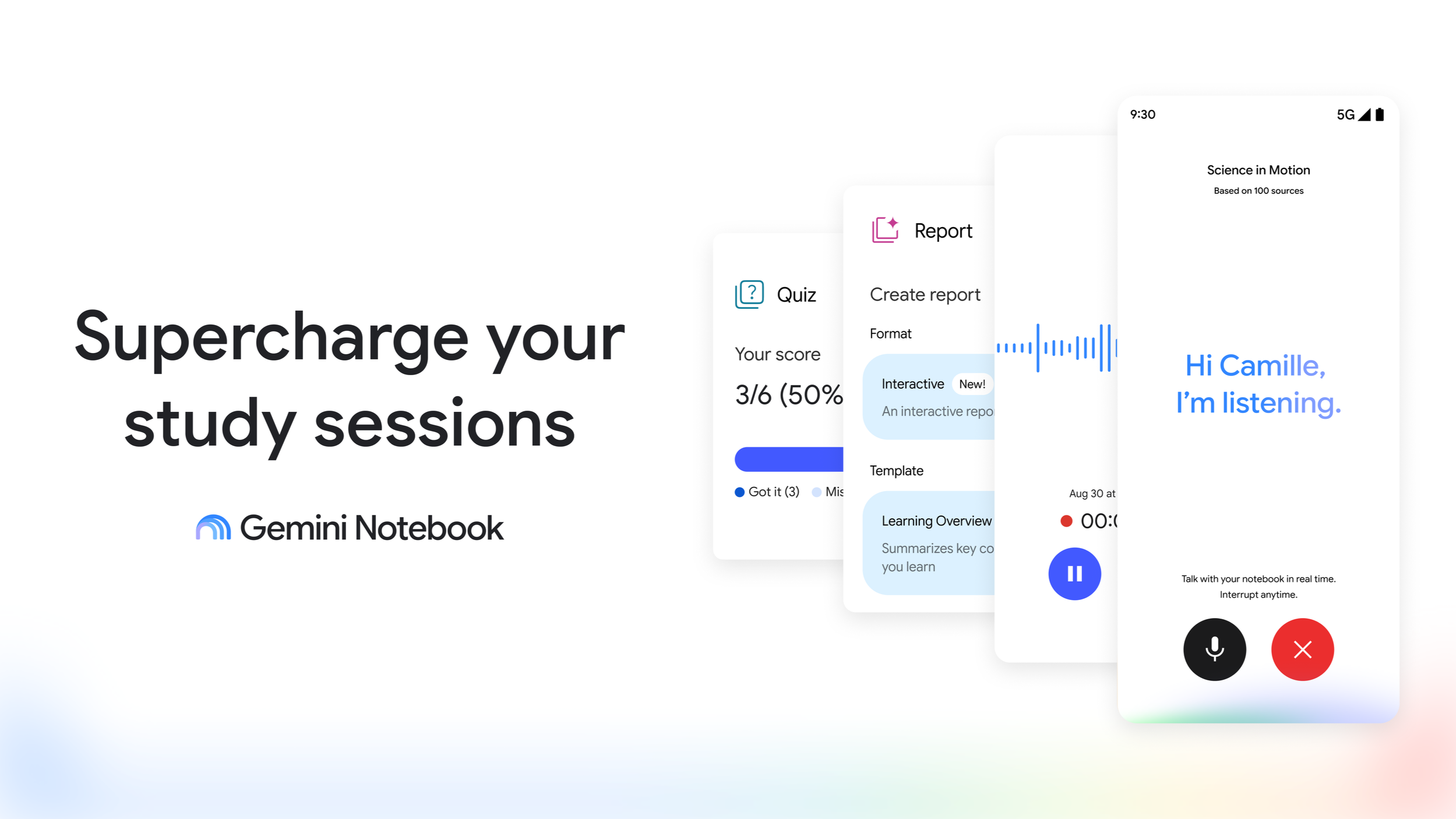
In at number four, Google confirmed a collaboration with the University of Oxford to expand access to Gemini for Education and NotebookLM across the institution. The rollout followed a pilot programme and forms part of Google’s wider BETT 2026 push around secure, institutionally managed AI deployment in higher education.
3. Bridget Phillipson says AI could be biggest shift in learning since printing press
Entering the top three, UK Education Secretary Bridget Phillipson used a day one BETT keynote to outline the government’s direction on AI in education, alongside new safety standards, expanded EdTech trials, and national goals for AI adoption. The address placed teachers at the center of reform while positioning AI as a tool to support inclusion, workload reduction, and system-wide improvement.
2. Nashville next as organisers take Bett Stateside and AI dominates opening morning
Taking the second spot, BETT organisers confirmed plans to launch Bett USA in Nashville in 2027 as the show opened with a strong focus on AI, policy, and global ambition. The announcement, delivered on the opening morning, positioned BETT as a year-round international platform, supported by ministerial engagement, CPD-accredited sessions, and growing global attendance.
1. Google announces major AI updates to Gemini and Google Classroom
Claiming the top spot this week, Google used BETT 2026 to announce a wide-ranging set of AI updates across Gemini, Google Classroom, ChromeOS, and Workspace for Education. The updates focused on writing support, assessment, classroom workflows, and teacher productivity, with new tools positioned as structured supports for learning rather than automated content generation.