BETT 2026: UK universities push esports into the higher education mainstream
A BETT 2026 panel explored how UK universities are increasingly embedding esports into higher education, positioning it as a route to skills development, student engagement, and future-facing careers rather than a niche extracurricular activity.

UK universities are taking a more structured approach to esports, with higher education providers using it to support digital skills development, employability, and cross-disciplinary learning, according to speakers at BETT 2026.
During a panel session focused on esports and higher education, sector leaders argued that esports has reached a scale where universities can no longer treat it as a purely student-led interest. Instead, they said it is becoming part of how institutions attract students, build skills pipelines, and respond to changing expectations around learning and careers.
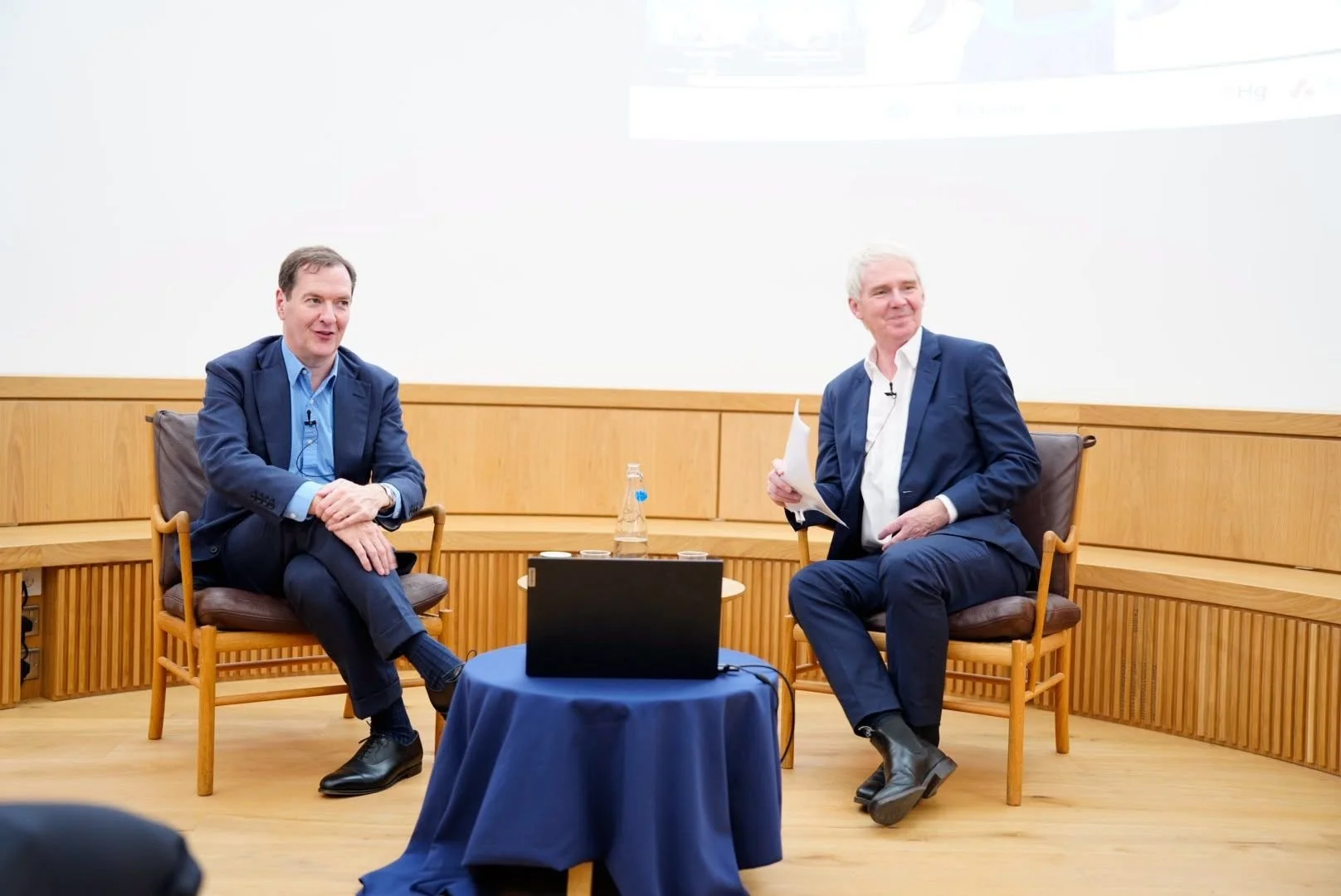
The session, Building the talent pipeline: the esports opportunities for higher education, was moderated by Tom Dore, Vice President at the British Esports Federation. He was joined by Andy Miah, Professor of Science Communication and Future Media at the University of Salford, and Rams Singh, esports program coordinator at the University of Chichester.
Dore began by addressing how widely esports is already embedded across the UK higher education landscape. “Esports is organized, competitive video gaming,” he explained. “It’s human versus human, usually team versus team. It’s not a solitary activity.”
He pointed to national participation data showing that more than 18,000 students compete annually through structured university esports competitions, involving over 110 UK universities. “This is not small,” Dore said. “What’s changed is that universities are starting to recognize they need to be part of it, rather than leaving it entirely to student societies.”
From student societies to academic pathways
Singh outlined how the University of Chichester has built esports into a formal academic offer, giving students exposure to multiple disciplines before specialization. “Our approach is broad by design,” he said. “Students experience coaching, production, psychology, business, and management before deciding where they want to focus.”
He emphasized that outcomes are not limited to esports-specific roles. “Students leave with confidence, teamwork, leadership, and communication skills,” Singh explained. “Many go into careers outside esports, but they use what they developed through it.”
Miah described a similar trajectory at the University of Salford, where esports began as a student society before being integrated into academic provision. “It grew from a student-led community,” he said. “That community became the foundation for degree programs across business, media, computing, and sports science.”
According to Miah, esports has become a connector rather than a silo. “It brings disciplines together in a way that many courses don’t,” he added.
Facilities remain a gap for many institutions
A recurring theme was infrastructure, particularly the lack of centralized esports facilities at UK universities. Dore noted that further education providers have often moved faster than universities. “Many FE colleges running esports programs already have dedicated spaces,” he said. “At university level, only a small number do.”
He highlighted the impact on international students. “For students arriving from East and Southeast Asia, esports is a major social and cultural connector,” Dore said. “Without facilities, universities miss an opportunity to support integration.”
Singh agreed, saying shared spaces change how students engage with learning. “When students come together physically, collaboration and community follow,” he said. “That’s when you see real development.”
Transferable skills, not just esports careers
While professional esports careers were discussed, the panel consistently framed esports as a route to broader employability. Dore noted that around 70 percent of students competing nationally are studying STEM-related degrees. “These are students developing skills that employers actively want,” he said.
Miah placed esports within a wider technological and economic context. “The video games industry now generates more revenue than film and music combined,” he said. “But for universities, the value is how it drives innovation across AI, media, performance science, and digital systems.”
He added that esports mirrors the environments graduates are entering. “It demands adaptability, collaboration, and problem-solving,” Miah said. “Those capabilities transfer well beyond esports.”
Singh reinforced the point with graduate outcomes. “We see graduates moving into education, events, technology, and media,” he said. “Esports is the vehicle. The skills are what matter.”
As the session concluded, the speakers were clear that esports is not about training professional gamers. “This is about engagement and opportunity,” Dore said. “Just like sport or music, esports gives students a reason to connect deeply with learning.”
Miah summed up the challenge facing institutions. “These communities already exist,” he said. “Students arrive with these interests. The question is whether universities choose to support them strategically.”
ETIH Innovation Awards 2026

The ETIH Innovation Awards 2026 are now open and recognize education technology organizations delivering measurable impact across K–12, higher education, and lifelong learning. The awards are open to entries from the UK, the Americas, and internationally, with submissions assessed on evidence of outcomes and real-world application.