New Anthropic research reveals which jobs AI is actually replacing first
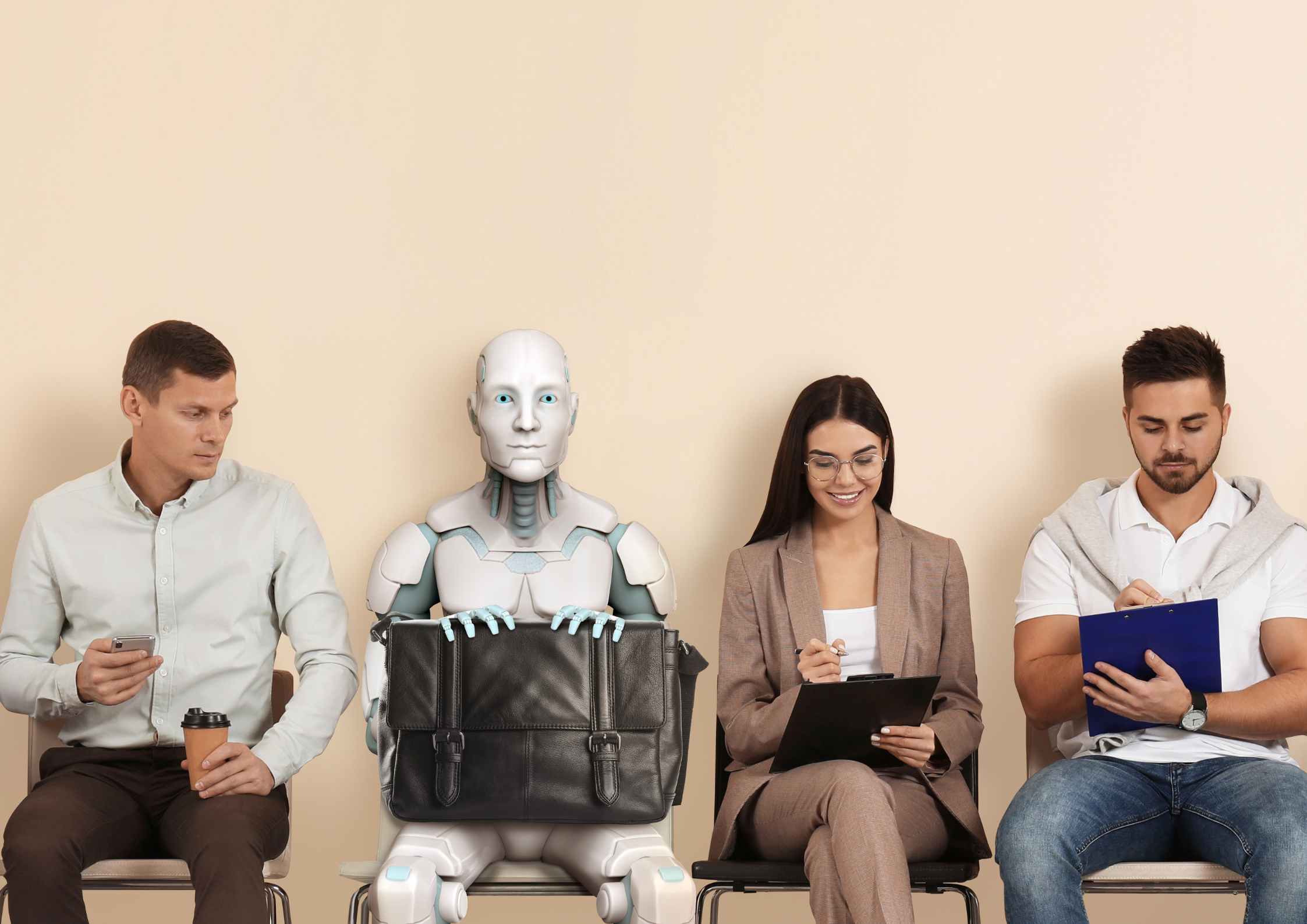
Artificial intelligence company Anthropic has published new research examining how AI is beginning to affect the labor market, introducing a framework designed to measure where AI is already being used in real professional work.
The report, Labor market impacts of AI: A new measure and early evidence, introduces a metric called “observed exposure,” combining theoretical AI capability with real usage data from Anthropic’s Claude model. The approach attempts to measure the gap between what AI systems could technically do and what they are actually doing in workplaces today.
Early findings show a significant difference between potential and real-world adoption. In computer and mathematical occupations, AI systems could theoretically handle 94 percent of tasks, but actual AI usage currently covers around 33 percent.
The jobs most exposed to AI
Using the new observed exposure measure, the study identifies the occupations currently showing the highest levels of AI task coverage.
The ten most exposed occupations are:
Computer programmers – 74.5 percent exposure
Customer service representatives – 70.1 percent
Data entry keyers – 67.1 percent
Medical records specialists – 66.7 percent
Market research analysts – 64.8 percent
Sales representatives (wholesale and manufacturing) – 62.8 percent
Financial and investment analysts – 57.2 percent
Software QA analysts and testers – 51.9 percent
Information security analysts – 48.6 percent
Computer user support specialists – 46.8 percent
These roles tend to include tasks such as coding, research, documentation, data processing, and analysis, which are commonly supported by large language models.
At the other end of the spectrum, the study finds that around 30 percent of workers show no measurable AI exposure in the data. Roles in this category include jobs that rely heavily on physical work or in-person interaction, such as cooks, mechanics, bartenders, and lifeguards.
AI capability vs real workplace adoption
A key finding in the report is the difference between theoretical AI capability and observed AI use in professional environments.
Anthropic’s analysis combines three sources of information:
occupational task data from the O*NET database
theoretical task exposure estimates from earlier AI capability research
real usage data from the Anthropic Economic Index, which tracks how Claude is used in professional workflows
Across occupational groups, the study finds that actual AI use remains a fraction of theoretical capability. The report suggests this gap reflects practical barriers including software integration requirements, legal constraints, human verification processes, and slower organizational adoption cycles.
Early signals in hiring patterns
Despite growing debate about AI-driven job displacement, the study finds no clear evidence that AI has increased unemployment so far.
Using U.S. labor market data from the Current Population Survey, researchers compared unemployment trends between workers in highly exposed occupations and those in jobs with little or no exposure. The analysis shows similar unemployment patterns between the two groups since the release of ChatGPT in 2022.
However, the report identifies an early signal in hiring patterns among younger workers.
Workers aged 22 to 25 appear less likely to enter highly exposed occupations than before widespread AI adoption. The study estimates a 14 percent drop in job entry rates for young workers entering AI-exposed roles compared with 2022 levels.
Researchers caution that this signal remains tentative and could reflect broader labor market dynamics, changes in education patterns, or shifts toward different career paths.
Who is most exposed to AI
The study also identifies demographic patterns among workers in the most exposed occupations.
Compared with workers in jobs with little AI exposure, workers in highly exposed roles are:
16 percentage points more likely to be female
47 percent higher paid on average
almost four times as likely to hold a graduate degree
For example, people with graduate degrees represent 17.4 percent of workers in highly exposed occupations, compared with 4.5 percent in occupations with no AI exposure.
These trends reflect the concentration of AI usage in knowledge-based roles such as software development, finance, research, and data analysis.
Tracking AI’s long-term impact on work
Anthropic describes the research as an early attempt to build a consistent method for tracking how AI adoption affects employment over time.
Rather than forecasting job losses directly, the framework aims to monitor where AI tools are already being used across tasks and occupations. The report suggests this approach could help researchers and policymakers detect labor market disruption earlier as AI adoption grows.
For now, the findings suggest that while AI systems are technically capable of performing a wide range of professional tasks, real-world deployment remains significantly lower than theoretical capability.