OpenAI opens Codex-powered workspace agents to ChatGPT Edu and Teachers plans
The research preview hands educators, school districts and university staff a shared agent builder that runs in the background, plugs into Slack and sits inside the free ChatGPT for Teachers offer.
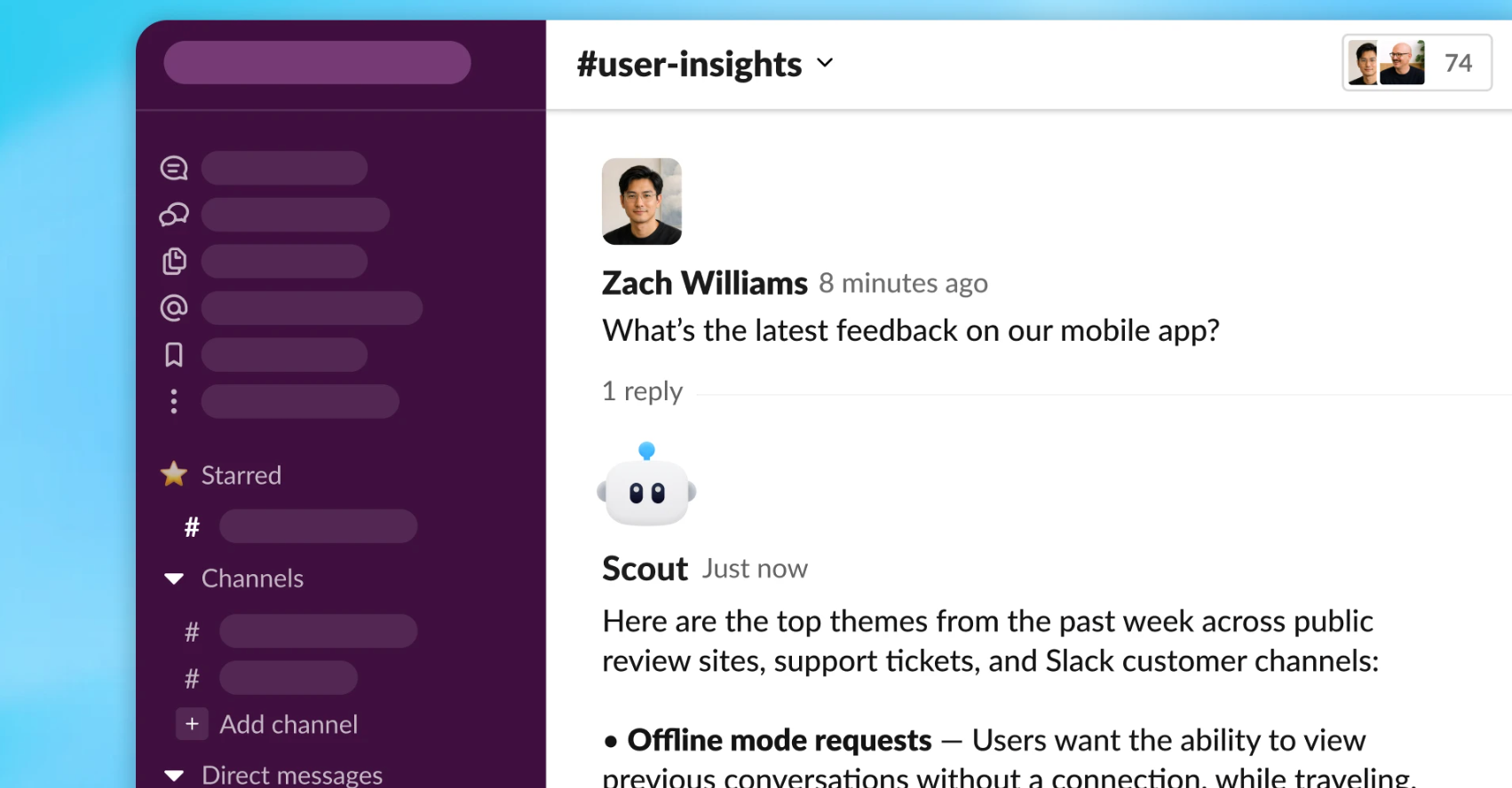
A Slack mockup from OpenAI showing a workspace agent named Scout summarizing user feedback themes inside a #user-insights channel, one of the deployment patterns now available to ChatGPT Edu and Teachers plan subscribers.
OpenAI has opened its new workspace agents feature to ChatGPT Edu and Teachers plan subscribers, bringing Codex-powered automation into US K-12 schools, colleges and education technology teams from today.
The research preview, confirmed on LinkedIn by both the ChatGPT for Education and OpenAI for Business accounts, lets educators build shared agents in natural language, connect them to approved tools such as Canva, Google Drive and Microsoft 365, and run them on a schedule or inside Slack. It marks one of the clearest signs yet that OpenAI is pushing beyond classroom chat assistants and into operational workflows across school districts, higher education and edtech vendors.
The move also escalates the EdTech AI platform race. OpenAI is positioning ChatGPT as the central operating layer for education teams at the same time Anthropic is expanding Claude into productivity tools, and as Google and Microsoft push their own agent stacks through Workspace and Copilot. For verified US K-12 educators, ChatGPT for Teachers remains free through June 2028, and workspace agents now sit inside that offer at no extra cost during the preview.
Codex model replaces custom GPTs in classroom workflows
Workspace agents are an evolution of custom GPTs, powered by OpenAI's Codex model, and designed to handle multi-step jobs rather than single prompts. In its announcement, OpenAI describes classroom and campus use cases including an agent that drafts a Friday family update from classroom notes, one that summarizes common advising questions and links students to the right campus resources, a research or grant briefing assistant, a meeting notes to next steps tool for departments, and a tech support router. Agents can pull context from docs, email, chats and code, and take actions such as creating documents, sending messages and updating records.
In its LinkedIn post, the ChatGPT for Education team wrote, "Starting today, workspace agents are now available in research preview for ChatGPT Edu and Teachers plans." The team added that educators can describe the job in plain language, connect approved tools, preview and improve the agent, then share it across a workspace or run it on a schedule.
Slack deployment arrives with role-based admin controls
For school and district leaders, the controls matter as much as the capability. Admins on Edu plans can enable agents through role-based access, decide who can build, publish and use them, set which tools each agent can touch and require approval for sensitive actions like sending emails or editing spreadsheets. OpenAI says built-in safeguards are designed to protect agents from prompt injection attacks when they encounter misleading external content, and the Compliance API gives admins visibility into every agent's configuration, updates and runs.
Agents can be used inside ChatGPT or deployed into Slack channels, where they pick up requests as they come in. OpenAI says its own product team runs a Slack agent that answers employee questions, links documentation and files tickets when it spots a new issue. Early testers named in the announcement include Rippling, SoftBank Corp., Better Mortgage, BBVA and Hibob, with Ankur Bhatt, AI Engineering at Rippling, stating, "The hard part of building an agent is not the model. It's the integrations, memory, the user experience."
Credit-based pricing kicks in May 6, 2026
Workspace agents are free across all eligible plans during the research preview, with OpenAI confirming credit-based pricing will begin on May 6, 2026. It is not yet clear how that pricing will apply to verified US K-12 educators already using ChatGPT for Teachers free through June 2028, or whether agent usage will sit inside that free offer.
OpenAI is running a Build Hour on April 28 to walk educators through creating their first agent, and says support inside the Codex app is coming in the weeks ahead. The open question for district CTOs and university procurement teams is whether free agent access for schools survives the May 2026 switch, or whether credits become the point at which edtech buyers have to start paying to automate.