GDS brings over 150 public sector engineers together to test AI coding tools at London hackathon
The UK Government Digital Service's AI Engineering Lab is expanding access to AI coding assistants across the public sector, with a hackathon win pointing to where the initiative could have real operational impact.

GDS's AI Engineering Lab is driving AI coding tool adoption across public sector software teams
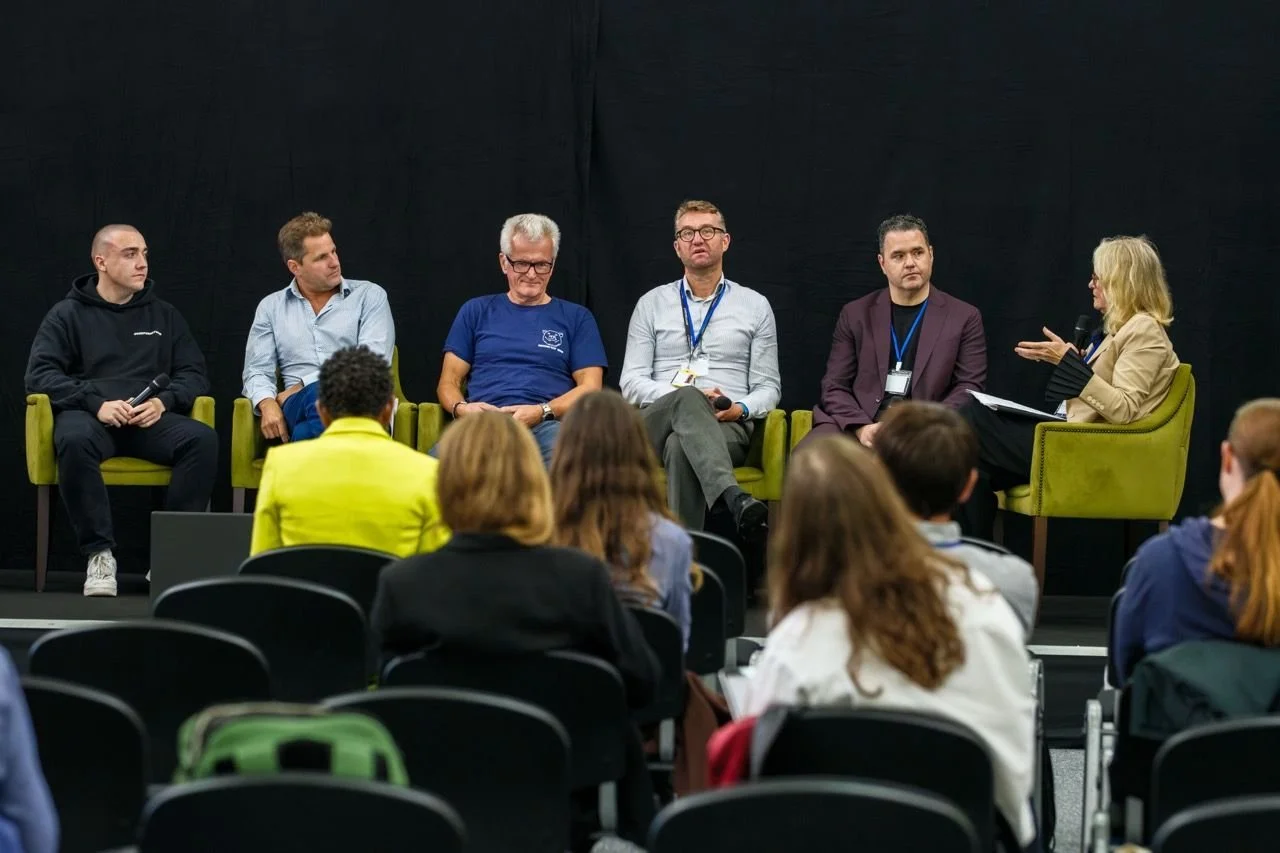
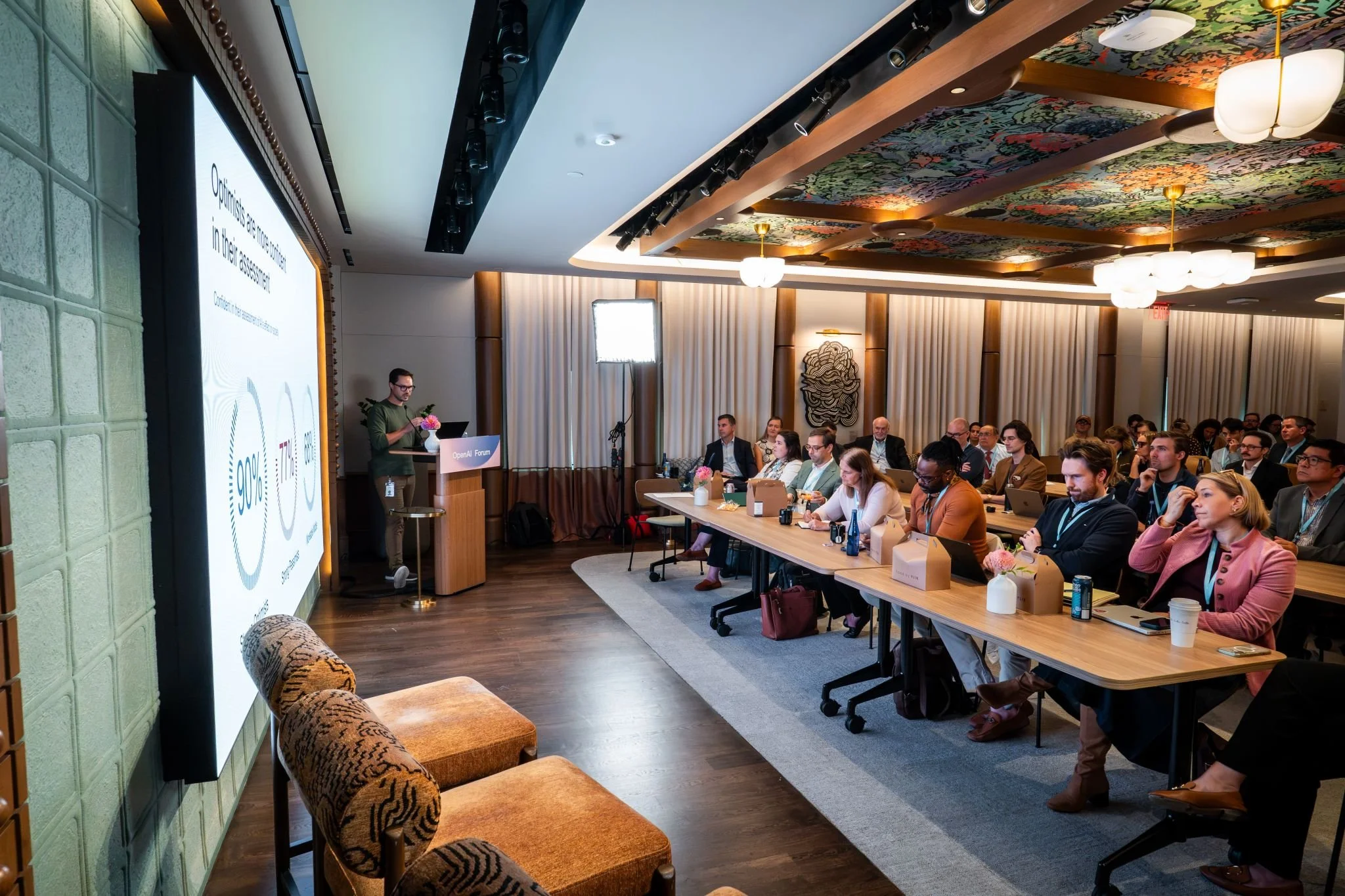
The UK Government Digital Service (GDS) hosted more than 150 public sector engineers at a one-day hackathon in London last week, as part of its AI Engineering Lab initiative, which is designed to accelerate responsible adoption of AI coding tools across government software teams.
The event, organized by GDS's Engineering Excellence team within the Office of the Chief Technology Officer, gave participants a structured day to work on a brief relevant to their roles, build working prototypes with AI assistance, and share learning across teams. Judges assessed entries by asking teams about what they built, how they used AI tools, and what they planned to do next.
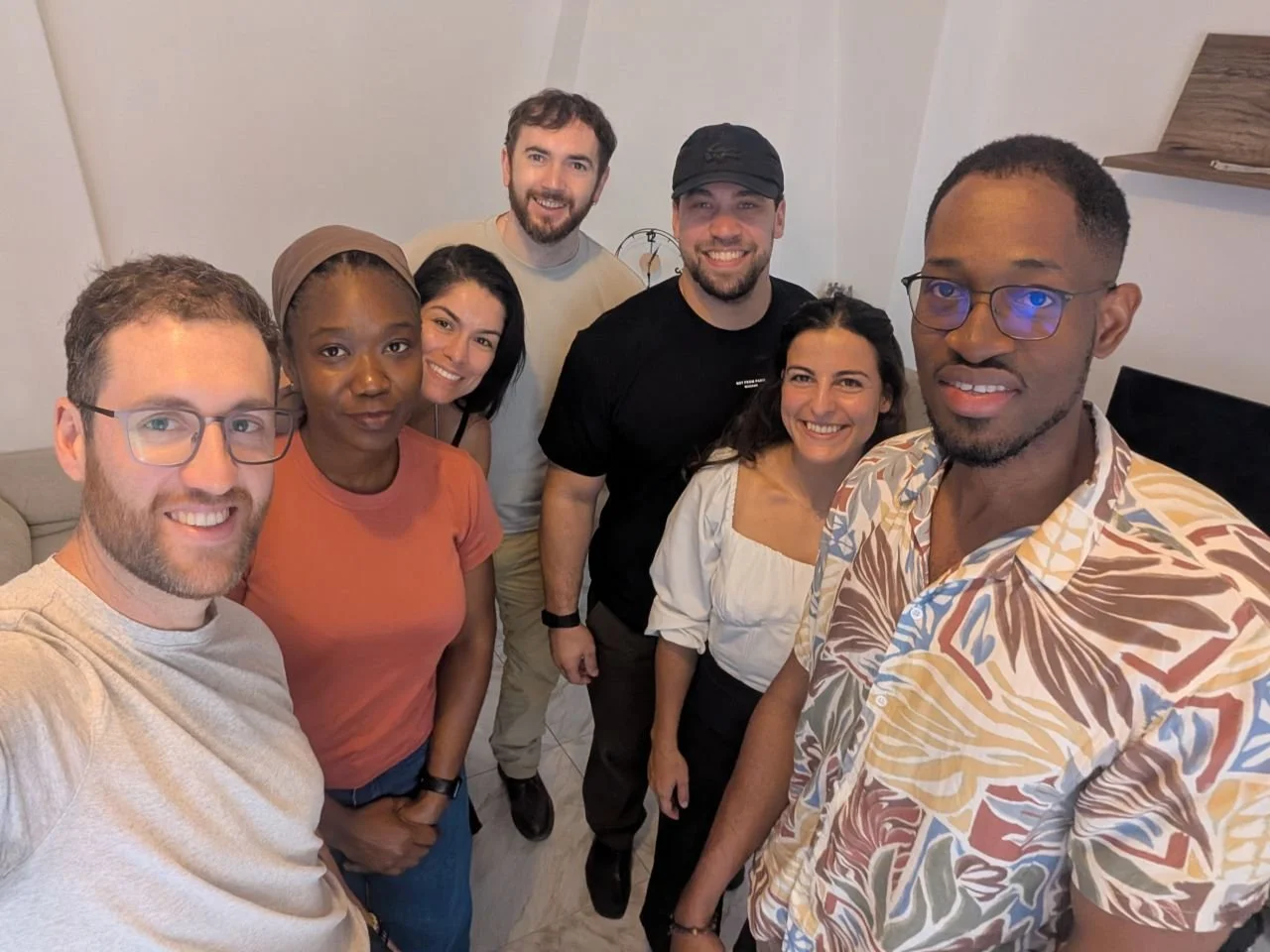
The Data and Insights Team from the National Infrastructure and Service Transformation Authority (NISTA) took first place for their CUB project management platform.
What the AI Engineering Lab does
AI Engineering Lab is a GDS-led initiative focused on driving sustained adoption of AI tooling throughout the full software development lifecycle in public sector teams. Its scope covers not just technical implementation but also training, management of AI enablement, and ongoing evaluation of where AI tools can enhance digital service delivery.
The lab builds on findings from GDS's AI Coding Assistant (AICA) trial, which ran in 2025 and identified significant potential for improving efficiency and delivery across government digital teams.
Starting in early 2026, the lab is rolling out licenses for a range of leading AI tools, including GitHub Copilot, Gemini, Amazon Q or Kiro, and Claude. Licenses will be available to all public sector departments and organizations for up to six months, though availability is limited. Technical setup, integration support, and training will be provided alongside access.
The initiative is described as user-led, meaning participant feedback will help determine how and where AI tools are used across government. Engineers and digital professionals can sign up for AI tool licenses, access training and guidance, attend events including future hackathons and community meetings, and contribute examples of how tools are being used in their organizations.
GDS notes that no prior expertise is required to take part. Anyone with an interest in how AI can or should be used in software engineering is welcome to join.