Imperial College London and CNRS launch AI-linked metabolism research lab
The Antoine Lavoisier laboratory will use AI, machine learning, clinical data, and biology to study metabolic health across cancer, diabetes, cardiometabolic disease, and neurodegeneration.
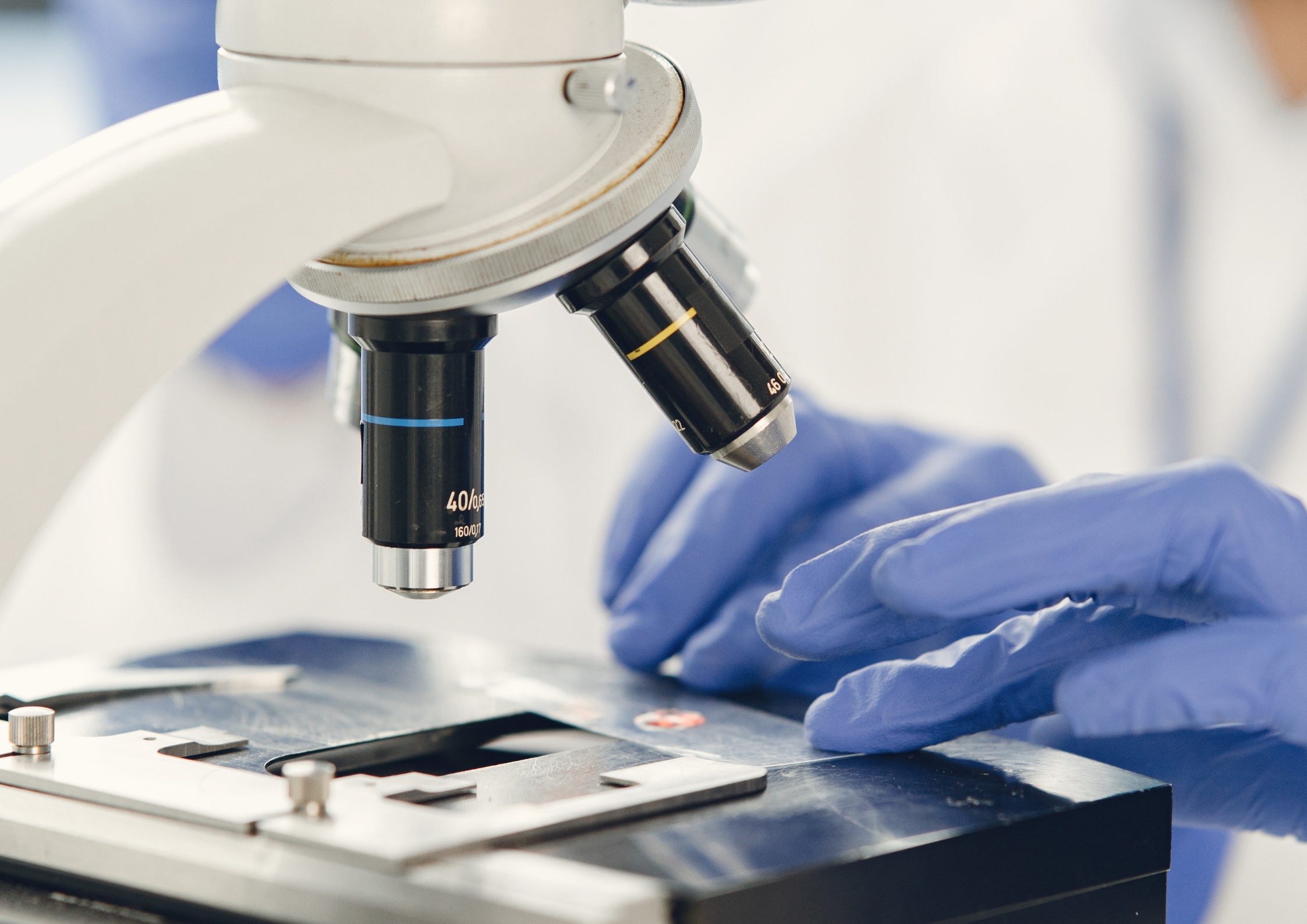
Imperial College London and CNRS have launched the Antoine Lavoisier International Research Laboratory in Multiscale Metabolism.
Imperial College London and France’s National Centre for Scientific Research have launched a joint International Research Laboratory focused on metabolism, AI, and disease.
The CNRS-Imperial International Research Laboratory in Multiscale Metabolism "Antoine Lavoisier" will bring together artificial intelligence, machine learning, clinical data, advanced analytics, and experimental biology to study how metabolic processes vary between individuals and populations.
The laboratory was launched at a reception at the British Embassy in Paris, during a side event to the UK-France Joint Committee on Science, Technology and Innovation.
The new lab is Imperial’s third International Research Laboratory with the National Centre for Scientific Research, known as CNRS. It follows the Abraham de Moivre mathematics laboratory, launched in 2018, and the Ayrton-Bleriot Engineering Laboratory, launched by French President Emmanuel Macron last year.
The metabolism lab will focus on health areas including cancer, diabetes, cardiometabolic disease, and neurodegenerative diseases such as dementia. Imperial said researchers will look at how metabolic processes change over time and how those insights could support earlier diagnosis, more personalized treatment, and data-driven decision tools for healthcare systems.
AI and metabolism research
The laboratory is named after Antoine Lavoisier, the French chemist whose work helped establish the fields of metabolism and calorimetry.
Imperial said metabolic variation and dysfunction are linked to a range of diseases associated with aging, including cardiovascular disease, diabetes, cancer, and neurodegenerative disorders.
By 2030, an estimated one billion people worldwide are expected to be living with obesity. Diabetes is projected to affect 1.3 billion people by 2050, with around 65 percent of those individuals expected to die from cardiovascular or renal diseases while also facing higher risks of stroke, dementia, and several cancers.
Researchers at the new laboratory will combine clinical data, advanced analytics, and experimental biology to map how metabolic processes vary between people and change over time.
The work will use AI and machine learning to support earlier disease risk prediction, more personalized treatments, research into the role of gut bacteria and whole-body systems, and data-driven tools for healthcare decision-making.
Professor Hugh Brady, President of Imperial College London, says: “Understanding metabolism is crucial to addressing some of the biggest health challenges of our time - from obesity and diabetes to cancer and neurodegenerative diseases - and our new joint laboratory will put the UK and France at the forefront of this critical area of research.
“By bringing together world-leading expertise and cutting-edge technologies, including AI and machine learning, we will deepen our understanding of these complex conditions for the benefit of all. Our collaboration with France's CNRS will create new opportunities to share talent, knowledge and resources - accelerating discovery, driving health-tech innovations and delivering meaningful societal impact.”
UK-France research partnership expands
The new laboratory forms part of the CNRS-Imperial International Research Centre for Transformational Science and Technology, a joint framework designed to support long-term cooperation, researcher mobility, and joint innovation between the UK and France.
Imperial said the International Research Centre is CNRS’s only IRC in the UK and connects UK and French science communities across laboratories and networks in mathematics, engineering, physics, biochemistry, and systems biology.
Professor Mark Thursz, Co-Director of the International Research Laboratory, from Imperial’s Department of Metabolism, Digestion and Reproduction, says: “Metabolism plays an important role in many of the diseases people face today. This laboratory will help us understand these conditions more clearly by combining leading research with real-world patient data.
“By bringing these insights together, we aim to find new ways to prevent disease and develop more effective treatments that are tailored to individual patients.”
The lab builds on Imperial’s existing collaborations with CNRS and the University of Lille. Imperial is one of France’s closest UK scientific collaborators, publishing around 1,400 research papers with partners in France each year.
The partnership also includes the Imperial-CNRS joint PhD program, which connects the labs and networks and supports researchers working across quantitative disciplines.
International labs and research networks
The Antoine Lavoisier lab joins two existing Imperial-CNRS International Research Laboratories.
The Abraham de Moivre Mathematics Laboratory was launched in 2018. The Ayrton-Bleriot Engineering Laboratory, also known as ABEL, was launched last year and focuses on engineering.
Beyond the three laboratories, Imperial and CNRS also have International Research Networks and Projects. These include work on Physics and Medicine through LhARA, which applies particle physics to next-generation cancer therapies; Quantum Fields and Strings, which focuses on theoretical and mathematical physics; and GOLDMINE, a sustainable computing network exploring nanoscale science for greener technology.
Professor Sandrine Heutz, Co-Director of the Imperial-CNRS International Research Centre, says: “This new laboratory marks an exciting expansion of the Imperial-CNRS partnership. It reflects both the strength of our collaboration to date and our shared ambition to tackle major global health challenges through interdisciplinary research and innovation.”
The new laboratory will now sit within the wider CNRS-Imperial International Research Centre for Transformational Science and Technology, alongside the mathematics and engineering labs and existing research networks. Imperial said the Antoine Lavoisier lab is expected to support health-tech innovation across the UK and France through work on diagnostic tools, therapies, and digital health solutions.