Microsoft MakeCode opens block coding to 41,506 blind and low vision children
The screen reader update was developed with the Micro:bit Educational Foundation and Blockly, with pupils and teachers involved throughout the design process.
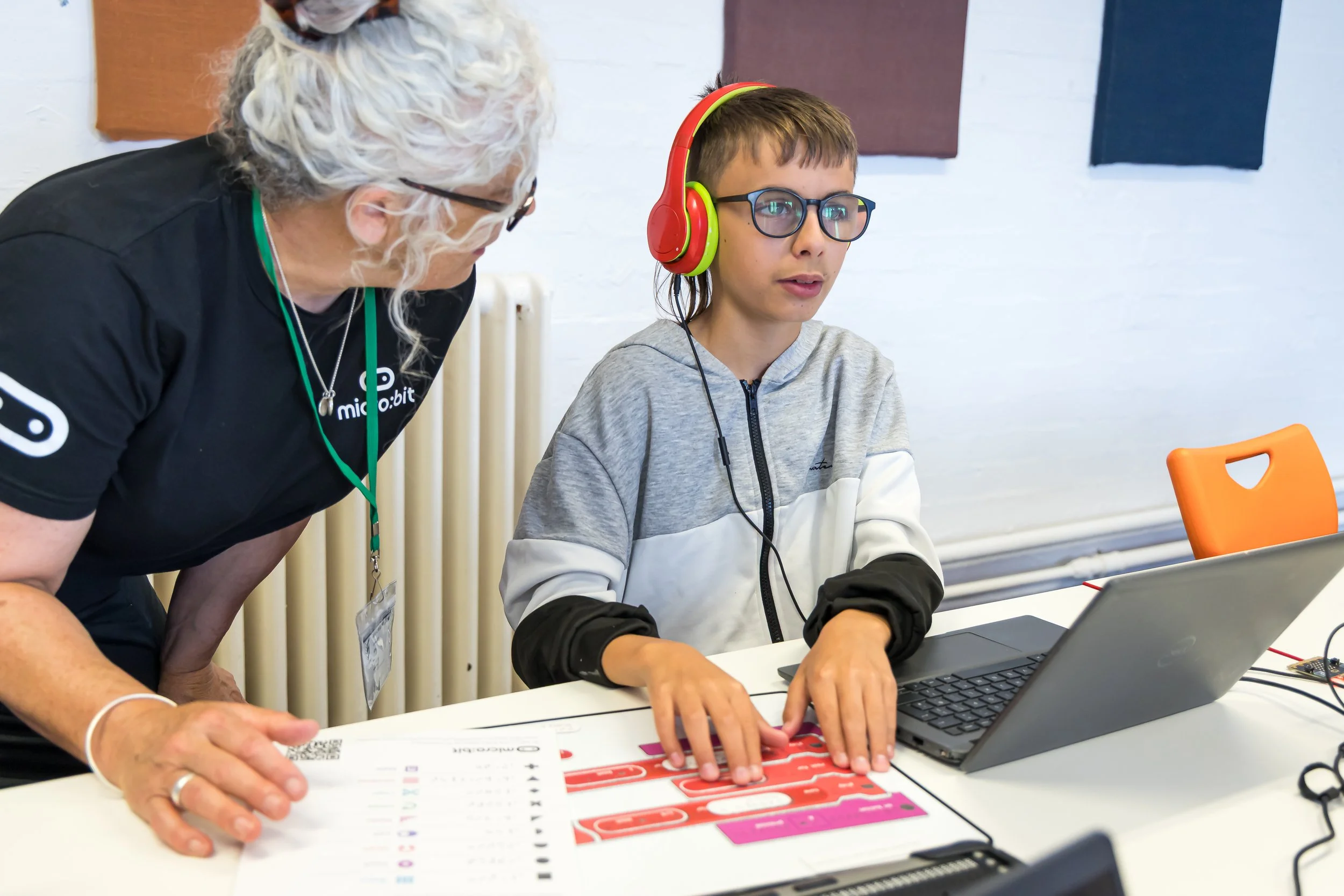
Zac Herbert, 14, can now use Microsoft MakeCode and the BBC micro:bit independently alongside his classmates.
Microsoft MakeCode has added screen reader compatibility for block-based coding, enabling blind and low vision pupils to use the visual programming environment more independently alongside their classmates.
The accessibility update is available now and was developed through a partnership involving Microsoft MakeCode, the Micro:bit Educational Foundation and the Blockly team at the Raspberry Pi Foundation.
The organizations say the change could benefit 41,506 children and young people with vision loss or impairment across the UK. The figure, provided by the Royal National Institute of Blind People, includes 35,275 young people in England, 3,113 in Scotland, 1,883 in Wales and 1,235 in Northern Ireland.
The new functionality is supported by classroom resources intended to help teachers introduce accessible coding activities.
Because the accessibility improvements were developed within Blockly, the underlying technology used by a range of coding products, other platforms could also adopt the functionality.
Screen readers replace a visual-only coding interface
Block coding typically requires users to select, move and connect visual blocks with a mouse or touchscreen. That interface has excluded some pupils who rely on screen readers and keyboard navigation.
The new compatibility was co-designed with blind and low vision children and young adults ages eight to 18, alongside teachers and accessibility specialists. Participants from the UK, Europe and the United States provided feedback during development.
Jacqueline Russell, Product Manager at Microsoft, describes the work as a shift away from a visual and mouse-dependent interface: “This has really been a super collaborative project between the Micro:bit Educational Foundation, Blockly, and our team with user input and feedback driving our progress all along the way.I feel so proud of this milestone - taking what was a purely visual, mouse-heavy user interface and transforming it into a fully accessible tool for all students to learn computing.”
The update allows pupils using screen readers to navigate and work with block-based code rather than relying on another person to operate the interface for them.
Lucy Gill, Head of Product at the Micro:bit Educational Foundation, says: “Every child deserves the opportunity to create with technology, regardless of their ability. For too long, many blind and visually impaired young people have faced barriers to accessing the same coding experiences as their peers.”
She adds: “By working directly with the young people most affected, we've helped remove some of those barriers and created a solution that gives many more children the opportunity to learn, create and build confidence through computing.”
Students move from watching to coding
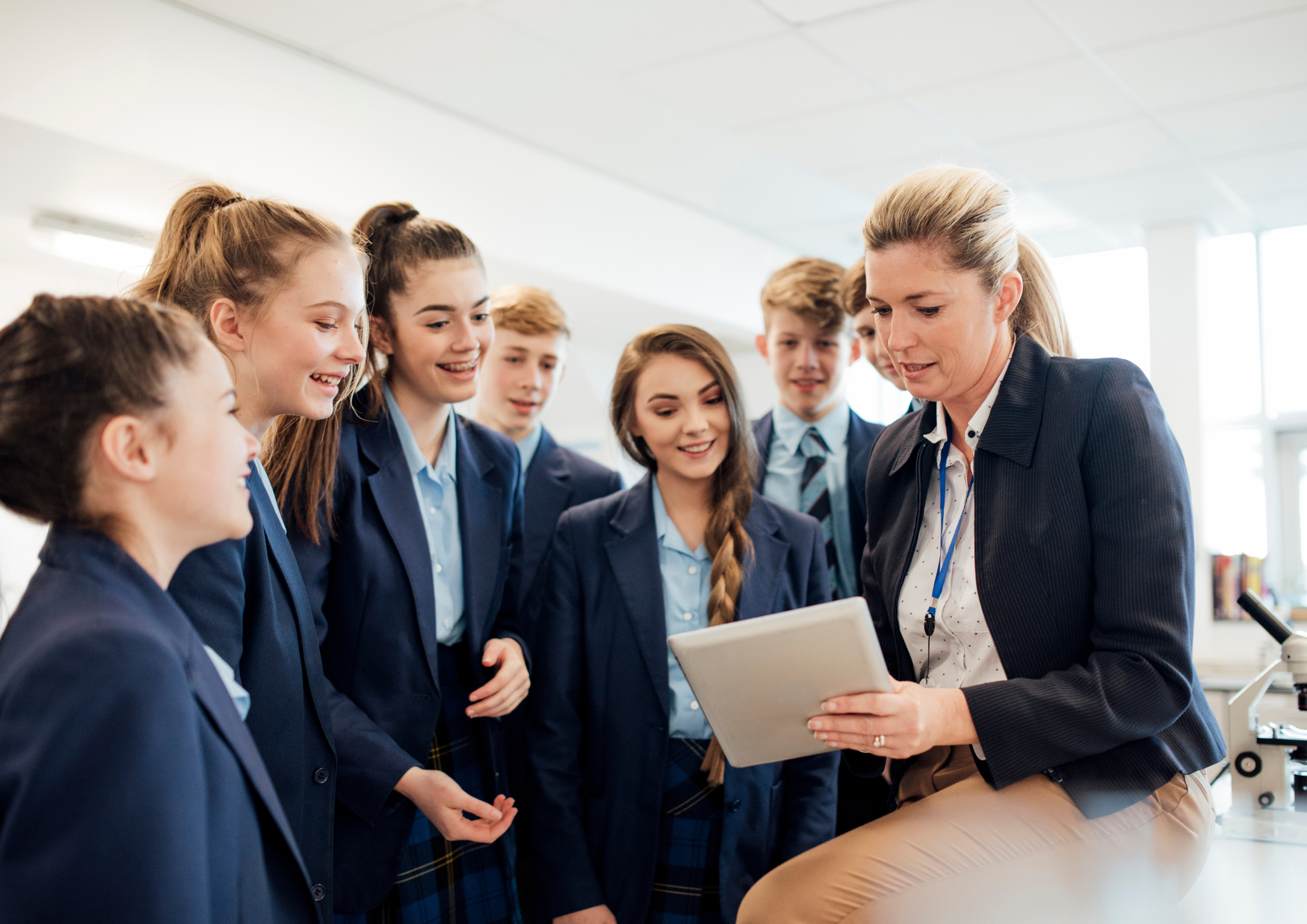
Zac Herbert, a 14-year-old pupil at New Worcester College in Worcester, UK, previously missed computer science teaching or completed alternative activities because the coding platforms used in lessons were not accessible to him.
“Up until Year 7, I wasn't actually in any computer science lessons,” Zac says.
He can now use Microsoft MakeCode and the BBC micro:bit independently during lessons. Zac describes the difference between participating with assistance and creating a project himself: “It's great to have something that you've done. You haven't had to rely on another person to help you do it. You haven't had to rely on a sighted person to do it. It's your work. It's your masterpiece.”
Thomas Robb, a 12-year-old pupil at the same school, previously contributed ideas and sounds while friends completed the coding in Scratch.
“Before, me and my friends would use Scratch, but I never used to do the coding. I used to make the ideas and the sounds,” Thomas says. “If I didn't have the screen reader, I wouldn't be able to use micro:bit.”
The examples show how an inaccessible interface can change a pupil’s role in a group project, even when the child is present and contributing to the activity. Screen reader support gives pupils a route into writing and controlling the code itself.
The organizations have not released classroom study results measuring attainment, confidence or participation following the update. The evidence supplied at launch consists of the co-design process and individual student experiences.
Blockly support could extend beyond Microsoft MakeCode
The BBC micro:bit is used by children across more than 85 countries. The Micro:bit Educational Foundation estimates that 73.5 million young people have learned with the device since 2016 and has set a target of reaching 100 million by 2028.
The Foundation’s stated goals include making the micro:bit easy to use, supporting teachers to build confidence in teaching digital skills and increasing participation among girls and other underrepresented groups. Its theory of change also links accessible computing education to greater diversity in STEM study and the digital workforce.
Screen reader compatibility developed through Blockly could reach learners who use other block-based coding services if those providers adopt the accessibility work.
Gill says the MakeCode release is intended to form part of a wider change: “We hope this is just the beginning of a much bigger shift towards making coding accessible for future generations of learners around the world.”
The Micro:bit Educational Foundation is also working on accessibility for children who are deaf or hard of hearing, pupils with fine motor challenges and neurodivergent learners, alongside translated learning resources for different regions.
The screen reader functionality is available now in Microsoft MakeCode, with supporting classroom resources provided for teachers. No timetable has been given for adoption by other Blockly-based coding platforms.