
OpenAI brings ChatGPT back to WhatsApp in the European Economic Area
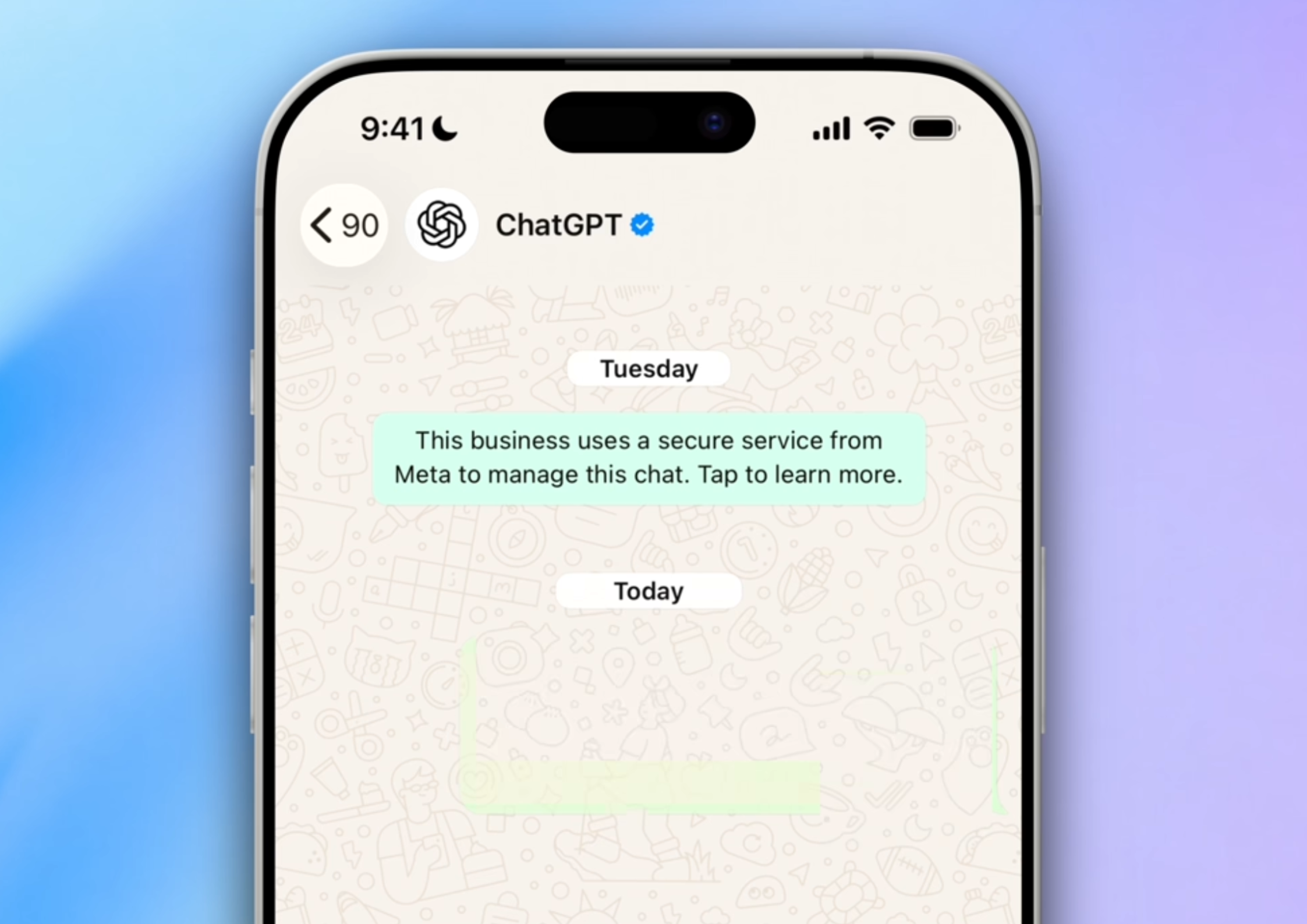
OpenAI says ChatGPT is available again on WhatsApp in the European Economic Area and is also available through Viber and KakaoTalk.
OpenAI is bringing ChatGPT back to WhatsApp in the European Economic Area, reversing an earlier exit from the messaging app in the region and adding another route for people to use the AI assistant outside OpenAI’s own products.
The update also makes ChatGPT the primary AI assistant in Viber globally and expands OpenAI’s partnership with KakaoTalk in South Korea.
Chris Lehane, Chief Global Affairs Officer at OpenAI, framed the messaging expansion around access, writing on LinkedIn: “The next phase of AI adoption will be shaped not only by what the technology can do, but by how easily people can access it.”
ChatGPT said users in the European Economic Area can message the verified 1-800-CHATGPT contact on WhatsApp to ask questions, upload images, send voice notes, create images and use ChatGPT in many languages. OpenAI said people can use ChatGPT for free across the messaging services.
WhatsApp return follows earlier removal plan
OpenAI’s return to WhatsApp in the European Economic Area follows an earlier plan to remove ChatGPT from WhatsApp.
In October 2025, OpenAI said ChatGPT would no longer be available on WhatsApp because of a policy and terms change from WhatsApp. OpenAI said at the time that more than 50 million people had used ChatGPT on WhatsApp to chat, create and learn.
Users were advised to link their WhatsApp conversations to a ChatGPT account so their history could continue in ChatGPT on iOS, Android, web and ChatGPT Atlas on MacOS.
The new update changes the position for the European Economic Area. ChatGPT is available again on WhatsApp in the region, while OpenAI is also widening messaging-based access through Viber and KakaoTalk.
The WhatsApp return comes after a June 2026 European Commission intervention requiring Meta to reinstate access for third-party general-purpose AI assistants to the WhatsApp for Business API while an antitrust investigation continues.
Messaging becomes another ChatGPT access route
OpenAI is positioning the messaging rollout around everyday access rather than a new standalone product.
Lehane wrote: “The next phase of AI adoption will be shaped not only by what the technology can do, but by how easily people can access it.”
He linked the decision to the scale of messaging apps, adding that billions of people use them every day to “connect, work, and learn.”
Lehane said making ChatGPT available in widely used messaging services would “help reduce friction and put AI into the hands of more people around the world, regardless of where they live or what language they speak.”
Viber and KakaoTalk widen the rollout
The wider rollout gives OpenAI three messaging routes across different markets.
Viber becomes a global distribution channel for ChatGPT, KakaoTalk extends the partnership in South Korea, and WhatsApp brings ChatGPT back to users in Germany, France, Italy, Spain and the rest of the European Economic Area.
Lehane framed the approach as meeting people “where they already are,” writing: “This is what democratizing AI looks like in practice: broader access, greater choice, and fewer barriers to using it.”
OpenAI has not provided education-specific usage figures for the new messaging rollout or a timeline for further platform expansion.
