UNESCO STEM Institute adopts 2026 work plan at first board meeting
The International Institute for STEM Education held its inaugural Governing Board meeting in Shanghai, with a 2026 budget, draft medium-term strategy, and digital and AI transformation among its planned functions.
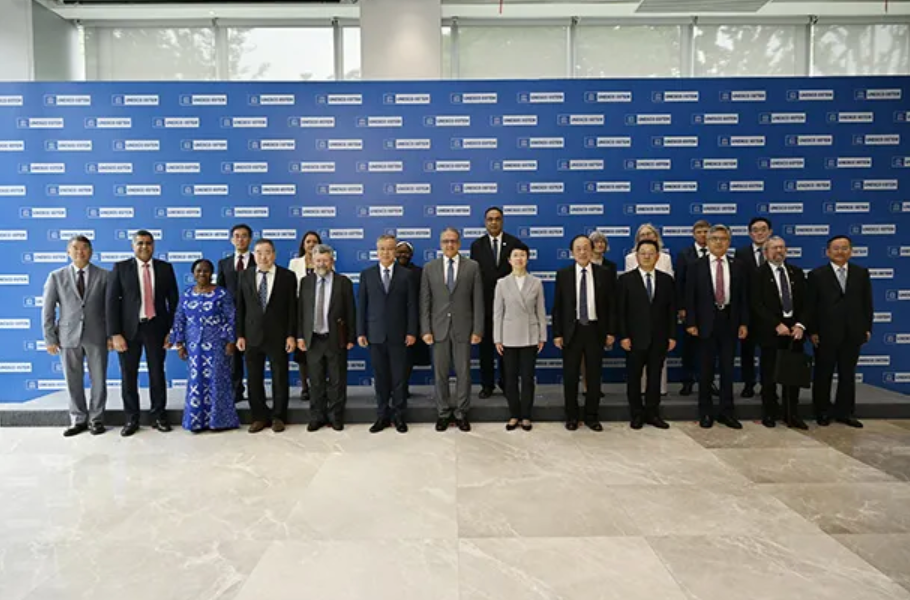
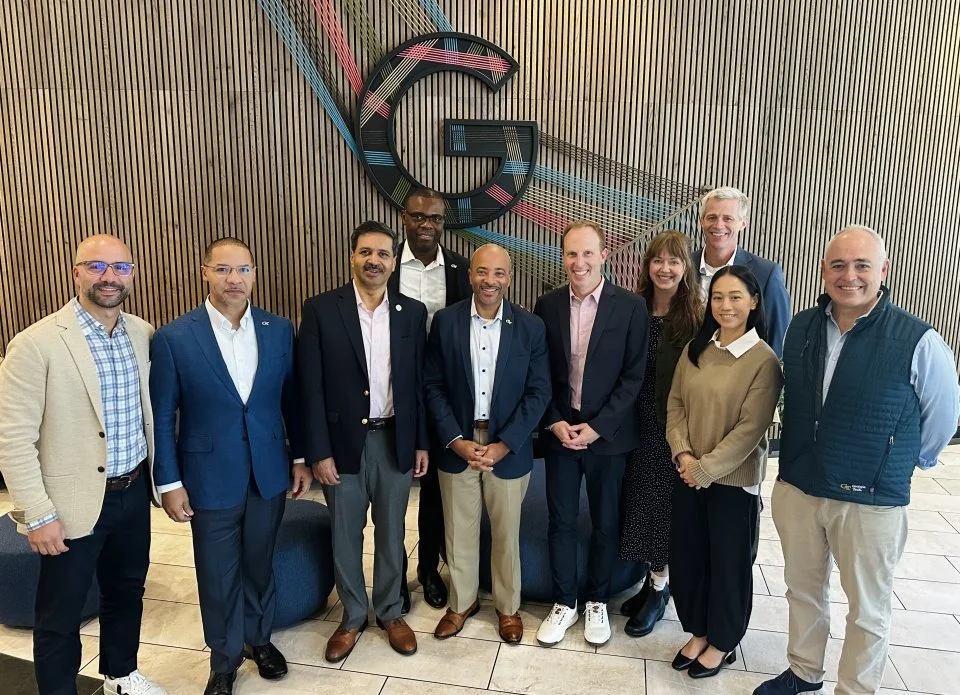
UNESCO’s International Institute for STEM Education held its inaugural Governing Board meeting in Shanghai on 14 May 2026. Photo credit: UNESCO
UNESCO’s International Institute for STEM Education has held its inaugural Governing Board meeting in Shanghai and adopted its 2026 work plan and budget, moving the new STEM education institute into its first phase of activity.
The meeting took place on 14 May 2026 and marks the operational start of the International Institute for STEM Education, known as IISTEM. UNESCO says IISTEM is its tenth category I institute and the first to be created in 14 years.
The 12-member Governing Board elected Ke Gong as Chair, with Peggy Oti-Boateng and Waqas Ahmed elected as Vice Chairs. The board also reviewed a draft Medium-Term Strategy covering 2026 to 2029.
The institute’s work will focus on STEM education from early childhood to adulthood, with objectives covering access, participation, quality, relevance, and global cooperation. UNESCO has also listed digital and AI transformation as one of five planned institutional functions.
UNESCO Director-General Khaled El-Enany visited the new IISTEM premises and addressed the opening symposium on STEM Education alongside scientists.
Board approves 2026 work plan
The Governing Board reviewed and adopted the work plan and budget for 2026, setting the basis for the launch of IISTEM’s activities.
The board also examined the draft Medium-Term Strategy for 2026 to 2029 and provided guidance for further development.
IISTEM’s mission is to promote inclusive, equitable, relevant, and quality STEM education for all age groups, from early childhood to adulthood.
UNESCO says the institute will work across three strategic objectives: expanding inclusive and equitable access and participation in STEM education, improving the quality and relevance of STEM education, and using global cooperation to build STEM learning ecosystems.
Digital and AI transformation included
IISTEM’s planned institutional functions cover standard setting, capacity development, cooperation convening, research and innovation, and digital and AI transformation.
The inclusion of digital and AI transformation places the institute’s work across both STEM education and the technology changes affecting teaching, learning, research, and skills development.
Khaled El-Enany, UNESCO Director-General, says: "STEM education equips young people with the tools to understand the world and the confidence to shape it. It underpins sustainable development and is essential to addressing the major challenges of our time — from climate change and biodiversity loss to health, energy, food systems, and digital transformation."
Qun Chen, UNESCO Assistant-Director General for Education, says: "We are launching this Institute at a time of profound transitions. STEM education is no longer only about skills for employment. It is about preparing learners to navigate uncertainty, to engage ethically with science and technology, and to contribute to sustainable and peaceful societies. It requires interdisciplinary thinking and strong governance."
Governing Board brings international representation
Ke Gong represents China as host country and Chair of the Governing Board. Peggy Oti-Boateng of Ghana and Waqas Ahmed of Pakistan serve as Vice Chairs.
Other Governing Board members include Dong Xie as ex-officio representative of the host city, Alicia Kowaltowski of Brazil, Lorena Medina Morales of Chile, Annette Scheunpflug of Germany, Faith Njoki Karanja of Kenya, Adam Almulla of Kuwait, Amal El Fallah Seghrouchni of Morocco, Sergey Garbuk of the Russian Federation, and Caucher Bikar of the United Kingdom of Great Britain and Northern Ireland.
The board’s first meeting gives IISTEM its initial governance structure and 2026 operating plan. The next stage is the further development of the 2026-2029 Medium-Term Strategy and the launch of activities linked to access, quality, cooperation, research, innovation, and digital and AI transformation.