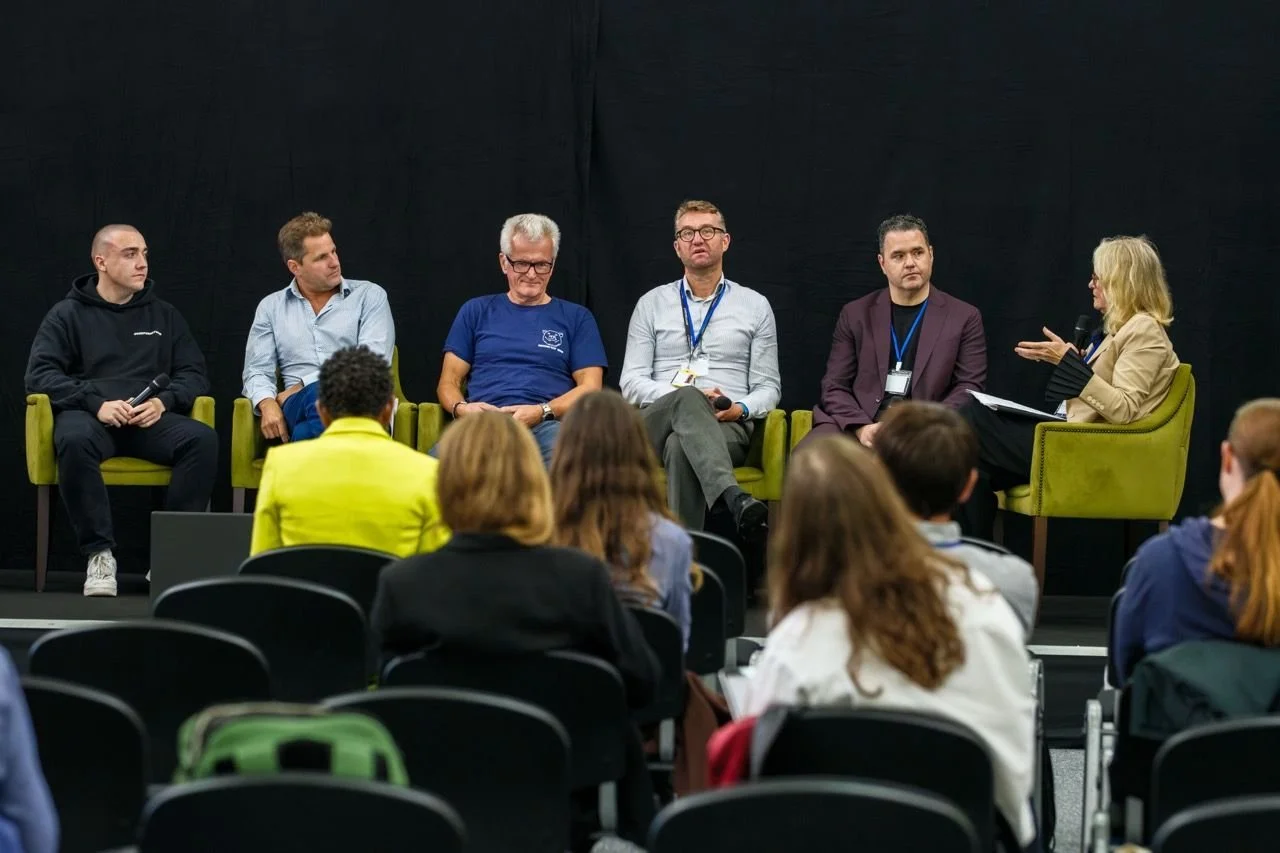
Silverstone UTC students pitch sustainable F1 car designs to Aston Martin in real-world STEM challenge
Year 11 teams at the England-based UTC work with Aston Martin F1 Team and Driven By Us on powertrain choices, aerodynamics and sponsorship, in a day designed to mirror the decisions made inside a real race team.
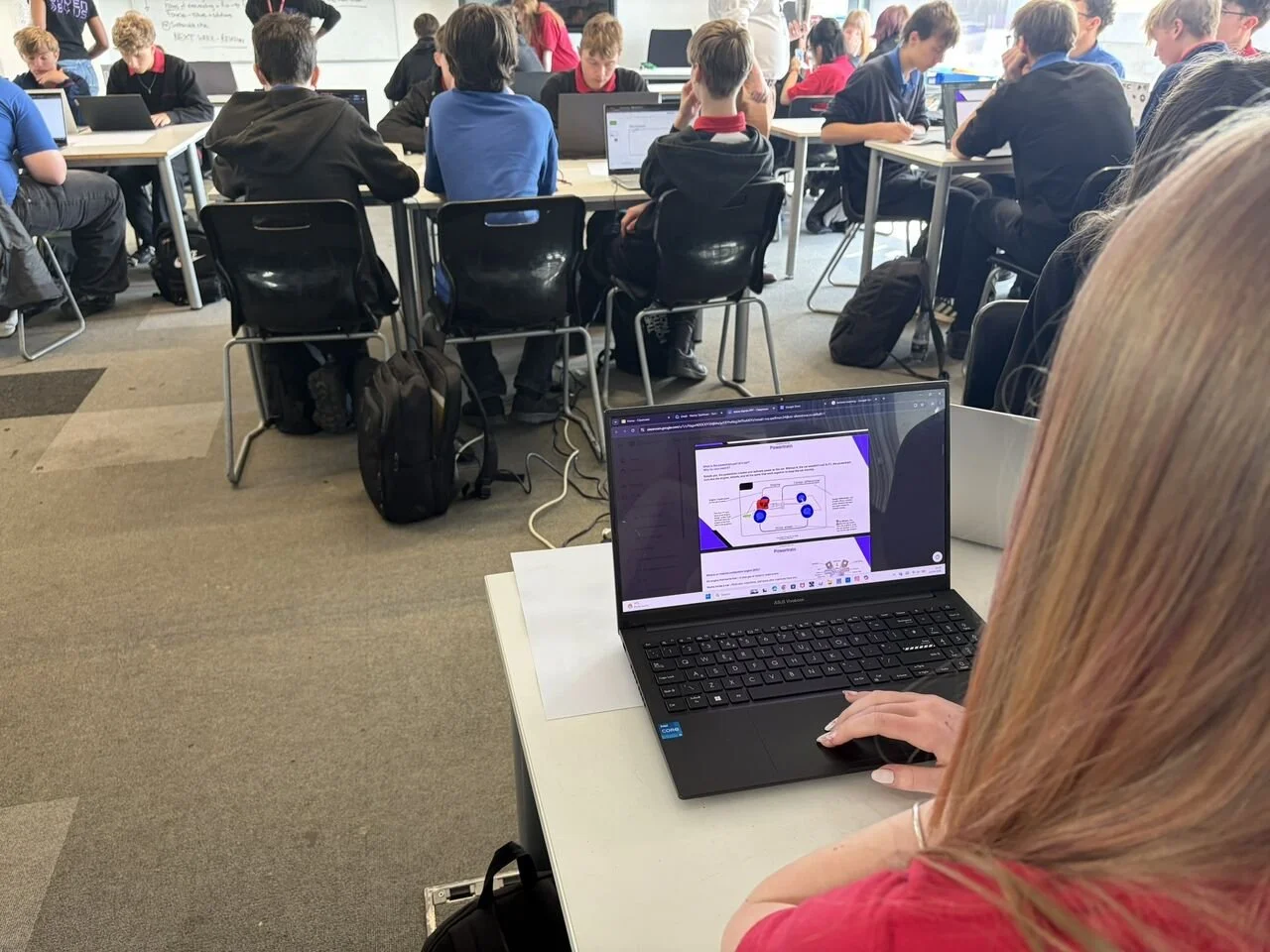
Year 11 students at Silverstone UTC work through powertrain decisions during the sustainable Formula 1 car design challenge run with Aston Martin F1 Team and Driven By Us. Photo credit: Silverstone UTC
Silverstone UTC , based in England, has run a high-stakes STEM challenge with Aston Martin F1 Team and Driven By Us, in which Year 11 students designed, developed and pitched their own sustainable Formula 1 cars to industry judges.
The exercise, run at the UTC's base at the Silverstone racing grounds, is part of a growing push to tie secondary education directly to the industries that sit alongside school and college sites, and comes as UK policymakers continue to focus on narrowing the engineering skills gap.
Working in teams of six, students made decisions on powertrain choices, aerodynamics, vehicle dynamics, sustainability, marketing, sponsorship and branding before defending their concepts to panels of judges.
A curriculum built around high-performance engineering
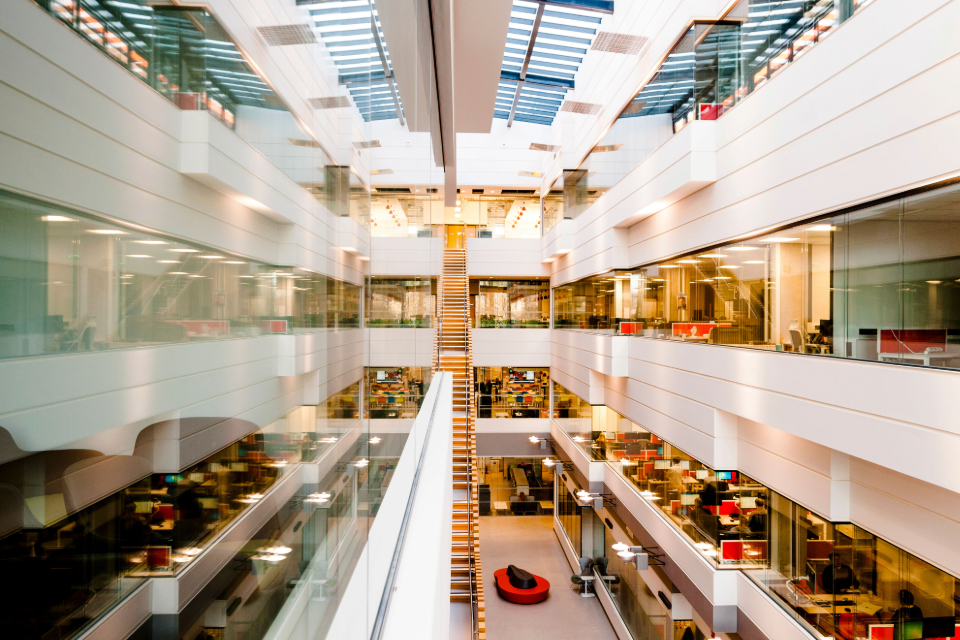
Silverstone UTC opened in September 2013 and specializes in high-performance engineering, cyber security and business with events management, teaching from a purpose-built facility at the Silverstone circuit. The core curriculum covers maths, English and science, with engineering and business as specialisms, and Key Stage 5 options including EAL Triple Engineering, BTECs and traditional A-Levels.
The school's option subjects have been chosen to feed directly into those specialisms. Computer science and digital information technology support programming, data handling and digital literacy, while geography develops understanding of sustainability, resources and trade. Media covers creativity and digital production linked to marketing and branding, sport builds teamwork and performance analysis, and product design connects to prototyping, product development and consumer-focused innovation.
Inside the Aston Martin F1 pitch challenge
The Aston Martin F1 and Driven By Us challenge put students into the kind of decision-making cycle used inside a racing team, balancing performance against environmental responsibility, then defending their choices under questioning. In a LinkedIn post, Silverstone UTC said judges challenged teams on "how sustainability was embedded, how well aerodynamic principles were applied, and how confidently powertrain decisions were selected and justified."
The school thanked the industry participants in the post, naming Kimberley Willingham, Debbie Wall, James Dornor and Stephanie Alexander for their input, and said the day reflected the UTC model of education mirroring real-world industry work. Silverstone UTC added that it was "enormously proud of the ambition, teamwork and professionalism shown by students throughout the challenge today."
UTC model closes in on the engineering skills gap
The Aston Martin partnership is the kind of employer-led intervention UTCs were set up to deliver, and sits against a backdrop of persistent engineering workforce shortages in the UK. Silverstone UTC has explicitly built its specialisms around the demand profile of the surrounding motorsport and business cluster, with engineering chosen to address the recognized skills gap and business chosen to reflect the commercial activity around the Silverstone Circuit.
The question for the wider sector is whether other UTCs and secondary schools outside the motorsport corridor can secure comparable employer access, or whether the Silverstone model remains a localized advantage built on proximity to the track.