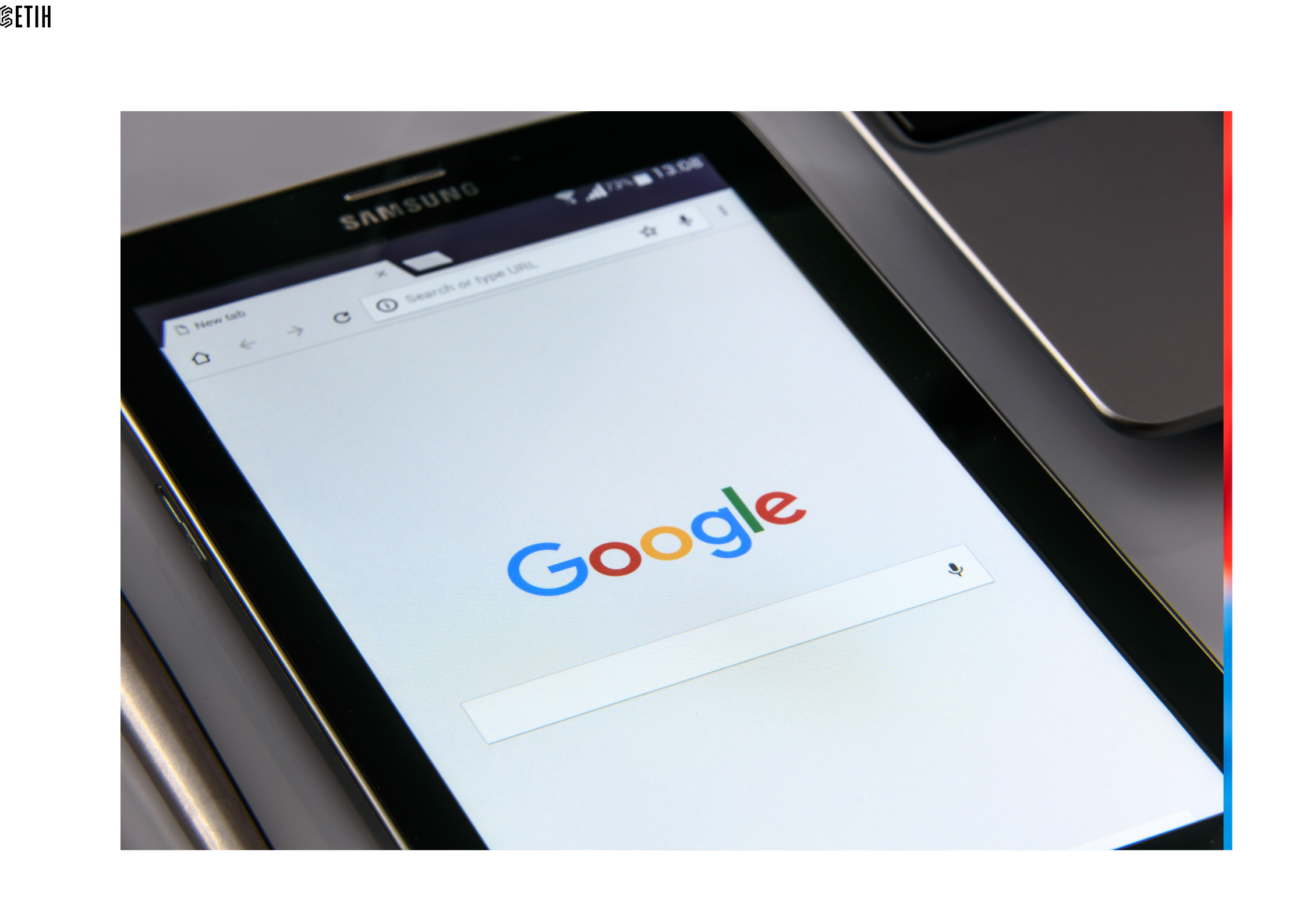
England moves to legally ban smartphones in schools as parental support reaches nine in ten
The government's decision to put existing phone guidance on a statutory footing ends years of debate, but school leaders say funding for storage solutions is now the more pressing question.

England is set to legally ban smartphones in schools following a government amendment to the Children's Wellbeing and Schools Bill
The UK government has announced it will introduce a legal ban on smartphones in schools in England, tabling an amendment to the Children's Wellbeing and Schools Bill that places existing guidance on a statutory footing.
The move came after sustained pressure from opposition parties and follows research from Opinium showing that 87 percent of British parents support some form of restriction on student phone use during the school day.
Education minister Baroness Jacqui Smith confirmed the change in the House of Lords on Monday. The Department for Education (DfE) said the amendment gives "legal force to what schools are already doing in practice," with research from the children's commissioner for England finding that 99.8 percent of primary schools and 90 percent of secondary schools already had policies limiting phone use during the school day.
What the law will and will not change
The amendment stops short of an outright ban on students bringing phones onto school premises. It places the DfE's existing guidance on a statutory footing, meaning schools must comply with it. The government had previously removed the "not seen, not heard" option from guidance, which had allowed students to carry phones as long as they were not used, and indicated it was willing to consider stronger measures.
Exemptions are expected for sixth form students, students in boarding schools, and those using phones as medical devices, following a suggestion accepted by the House of Lords from shadow education minister Baroness Barran.
Mark Jones, Online Safety Act expert and Criminal Partner at Payne Hicks Beach, says: "It comes as no surprise to the vast majority of people, that smartphones can and do cause harm to children. It is a positive development that there will now be a statutory ban of smartphones in school, removing the discretion that has been in place since the 2024 Department of Education Guidance. However, the devil will be in the detail. The 'never seen, used or heard' approach allows pupils to carry mobile phones but not use them. Unless this approach is removed, pupils will continue to be at risk of harm from smartphones whilst on school premises. Of course, there is then the issue of enforcement and what that will look like in practice for schools."
The Association of School and College Leaders welcomed the statutory footing but said the practical impact would be limited, given that most schools already operate their own bans. The union called on the government to fund secure storage solutions such as lockers or locked pouches to support implementation.
The National Association of Head Teachers said the statutory guidance would give school leaders the clarity needed to implement a consistent approach and remove differences in how individual schools handle smartphone policies.
What parents say about phones and school behavior policies
According to Opinium's January 2026 survey of 1,110 UK parents, 39 percent support a bring-no-use policy for phones in schools, while 26 percent want phones banned from school premises entirely. Only five percent of parents think students should be permitted to use phones to support learning during lessons. The survey was conducted across a nationally representative sample of 2,000 UK adults between January 23 and 26, 2026.
The same Opinium research found broad parental backing for firmer school discipline. Three in five parents (59 percent) support the use of isolation rooms, rising to 65 percent among parents of sixth-form age students. Over half (55 percent) support silent corridors, and two thirds (67 percent) agree permanent exclusion is sometimes necessary. Support for sanctions linked to behavior is high at 82 percent, while fewer than one in five parents (19 percent) support disciplinary action based on academic performance. Separately, Department for Education data from 2024 found that students lose an average of seven minutes of learning time every half hour due to misbehavior.
Marissa Razak, researcher at Opinium and former secondary teacher, comments: "Our research shows broad parental support for stricter controls on children's smartphone access, particularly in schools, as well as sanctions for poor student behavior. A majority support restrictions on phone use during the school day. We also see strong backing for strict disciplinary approaches in schools, alongside a clear belief that sanctions should be linked to behavior rather than academic performance."
Melanie Sanderson, Managing Editor at The Good Schools Guide, says: "Parents want schools to cut the noise so children can concentrate. From tighter rules on smartphones and social media to firmer behavior policies, families are backing anything that protects quality learning time and supports young people's wellbeing. Parents we speak to value clear boundaries, alongside enthusiastic, experienced teachers, good facilities and equipment, and rich co-curricular opportunities. The families we help want their child's school to set the tone for, or reflect, their own parenting ethos. When that alignment is there, children thrive."
Schools' mobile phone policies will be monitored as part of Ofsted inspections from April. The DfE has not yet published the full details of the amendment, and as Jones notes, the question of how enforcement will work in practice remains the central challenge for schools navigating the transition.