Google.org opens $30M AI for Science funding call with extended deadline
Global challenge targets nonprofits, researchers, and social enterprises using AI to accelerate scientific discovery across health and climate.
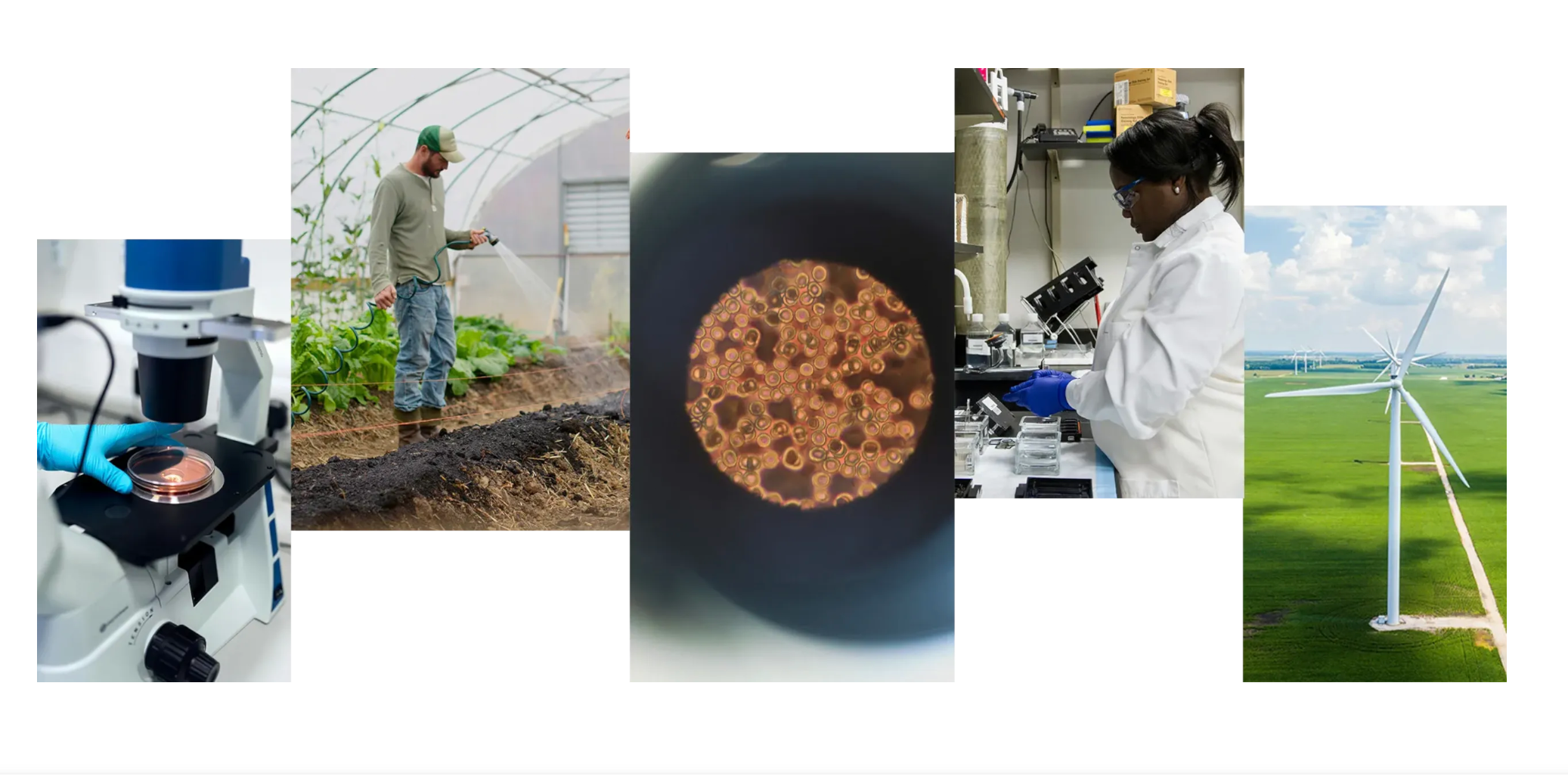
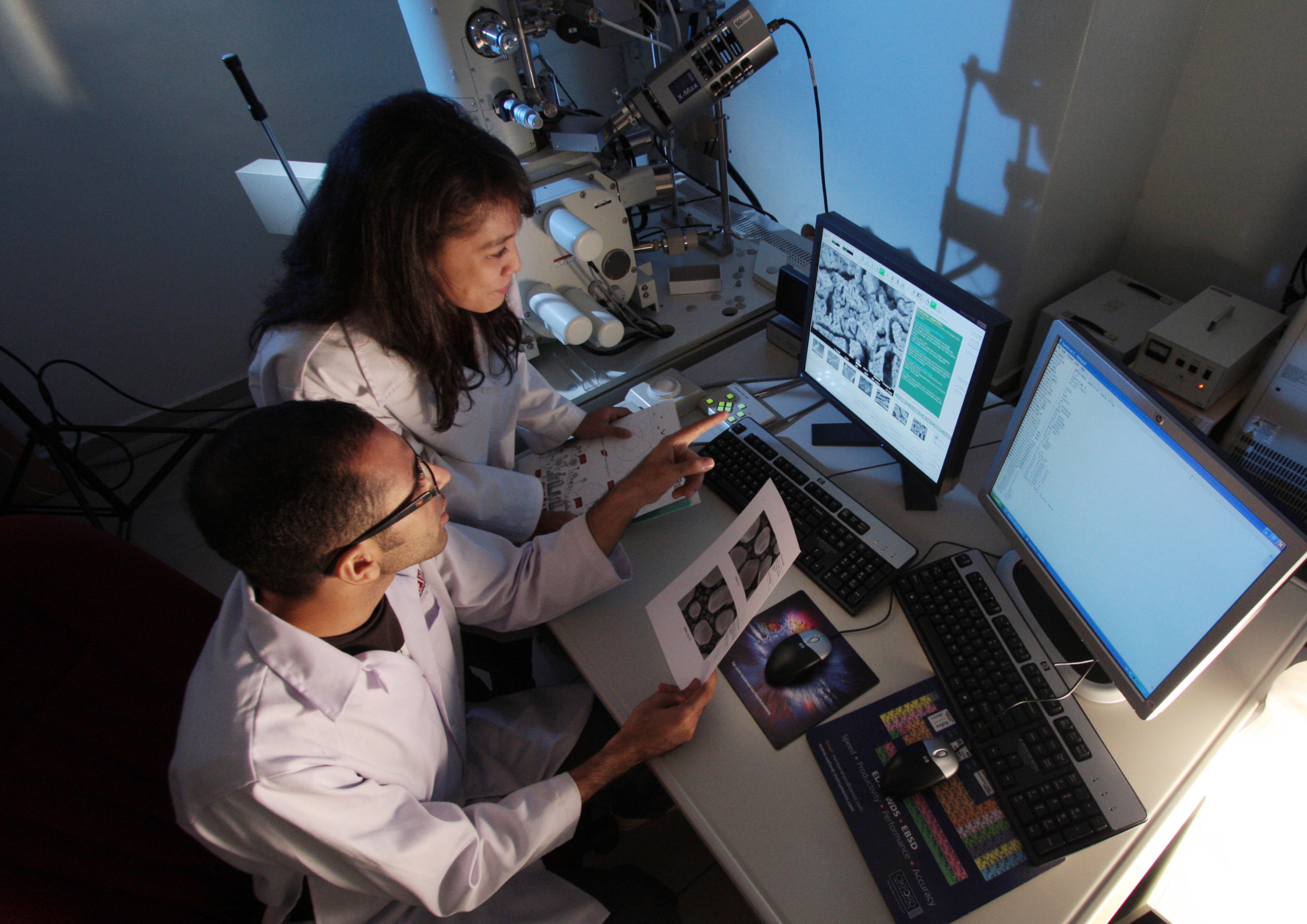
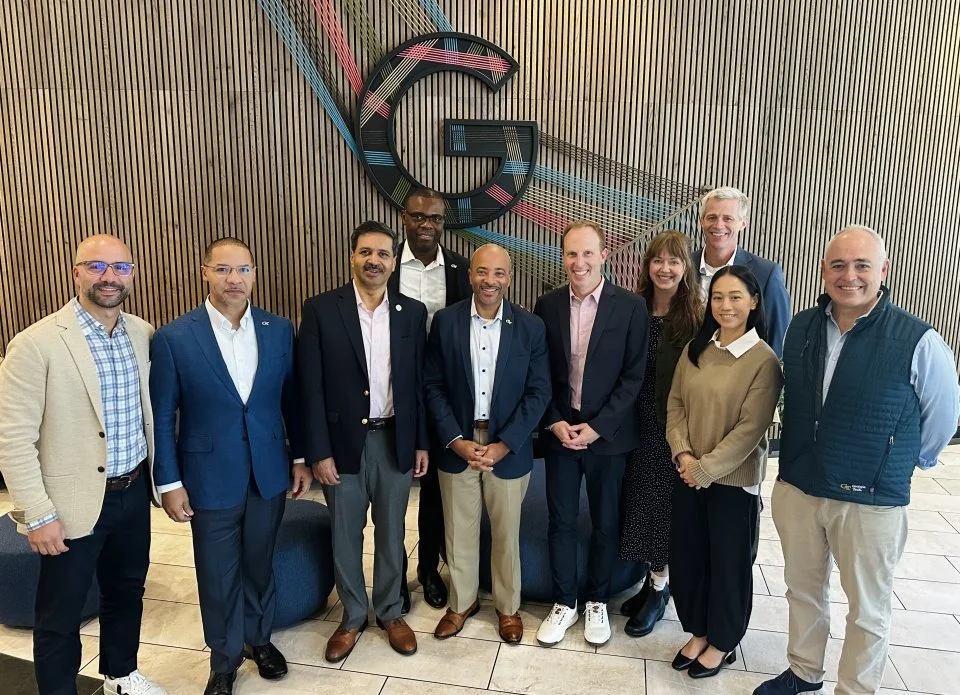
Google.org launches a $30 million AI for Science funding challenge, supporting research across health, climate, and environmental science sectors. Photo credit: Google
Google.org has launched a $30 million global funding initiative focused on AI-driven scientific research, with applications open until May 1, 2026, as it looks to back projects addressing challenges in health, climate, and environmental science.
Announced via LinkedIn by Leslie Yeh, Director of Scientific Progress at Google.org, positions AI as a way to accelerate research timelines and support new approaches to complex global problems, with funding, technical support, and infrastructure offered to selected organizations.
Focus on AI-driven scientific breakthroughs
The initiative is structured as an open call for nonprofits, academic institutions, and social enterprises developing AI-based solutions with potential for large-scale scientific impact. The goal is to support projects that can significantly advance understanding in areas such as life sciences and climate resilience.
Yeh wrote: “Breakthroughs don’t happen at arm’s length. They happen when the right minds, tools, and partners collide.”
She added: “Through our AI for Science fund launched in 2025, we’ve seen how AI can compress decades of research into months. But as the world’s challenges, from climate resilience to global health, become more complex, the pace of scientific discovery is struggling to keep up.”
Funding, technical support, and infrastructure
Selected organizations will receive a share of the $30 million fund, alongside access to a six-month Google.org Accelerator program, which includes pro bono engineering support, technical training, and cloud infrastructure.
Yeh wrote: “To help close that gap, we’ve launched the Google.org Impact Challenge: AI for Science, a $30M global open call for nonprofits, academic institutions, and social enterprises using AI to unlock scientific breakthroughs that have the power to solve the unsolvable. We aren't just looking for incremental fixes; we’re looking to support the bold bets that can unlock systemic transformation.”
Funding awards are expected to range from $500,000 to more than $3 million per project, depending on scope and impact, with additional access to Google Cloud credits and AI tools to support development.
Yeh wrote: “Selected organizations will receive funding, technical expertise through a Google.org Accelerator, and access to Google Cloud credits and AI tools.”
Implications for AI skills and research ecosystems
The challenge reflects ongoing investment in AI as a core driver of scientific research, with a focus on projects that can scale and contribute to shared knowledge.
Google.org is prioritizing projects in two main areas: AI for health and life sciences, including areas such as genomics, neuroscience, and drug discovery, and AI for climate resilience and environmental science, covering fields like agriculture, energy systems, and climate modeling.
Applicants are expected to demonstrate clear scientific ambition, measurable outcomes, and a defined pathway to impact over both short-term and longer-term timelines. Projects must place AI at the center of their methodology, either through developing new models or applying existing tools in new ways.
Funding is expected to range from $500,000 to more than $3 million per project, with selected organizations also offered access to a six-month Google.org Accelerator. The program includes technical training, mentorship from Google engineers, and support in scaling AI infrastructure and deployment.
There is also a focus on openness and reproducibility. Google.org states that, where possible, outputs such as datasets, models, and research findings should be made publicly available under open licenses to support wider scientific progress.
Eligibility is limited to nonprofits, academic institutions, and social enterprises with a clear social impact focus. Individuals without organizational affiliation are not eligible to apply.
Yeh wrote: “Google was born from scientific discovery. Today, we’re pointing that legacy outward to make the scientific ecosystem stronger for everyone.”
She added: “If you’re using AI to push the boundaries of what's possible, we want to hear from you.”
Applications for the Google.org Impact Challenge: AI for Science are open until May 1, 2026.