Yann LeCun pushes back on LinkedIn as AI's world models credit row intensifies
A public disagreement between two of AI's most prominent researchers over the origins of world models raises questions about attribution, academic history, and how foundational ideas are taught and credited in AI education.

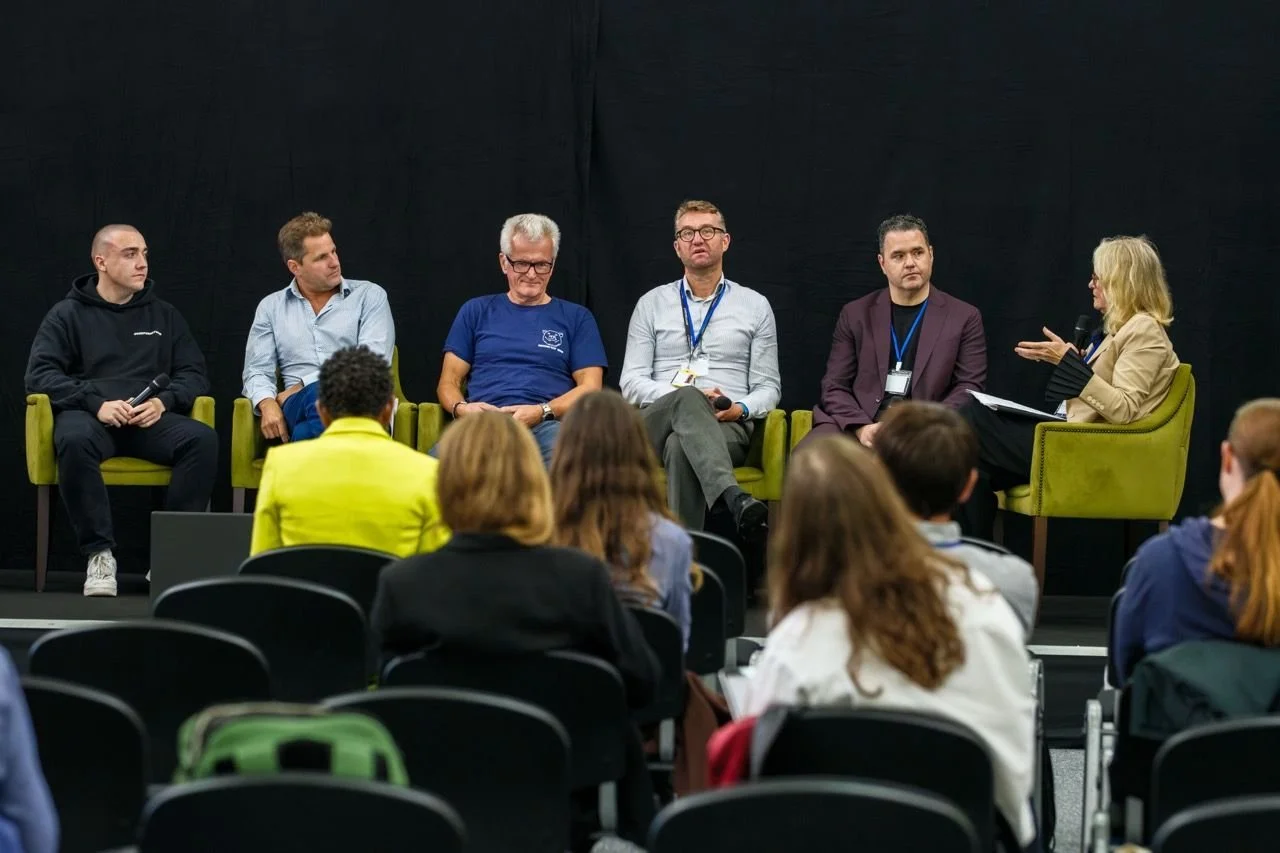
Yann LeCun, Executive Chairman of AMI Labs and Professor at NYU, disputed claims over the origins of world models in a LinkedIn post, tracing the concept to optimal control theorists in the 1950s. Photo credit: Yann LeCun
Yann LeCun, Executive Chairman of AMI Labs and Professor at NYU, has responded publicly to claims about the origins of world models, pushing back against suggestions that he or Jürgen Schmidhuber, a German computer scientist and Director of the Swiss AI Lab IDSIA, invented the concept.
The dispute, playing out on LinkedIn, touches on decades of AI research history and has implications for how foundational ideas are framed in academic and EdTech contexts.
The exchange was prompted in part by a post from Abdelaziz Testas, an AI researcher and author of The Battle for World Models, a book examining competing claims over the development of world model theory.
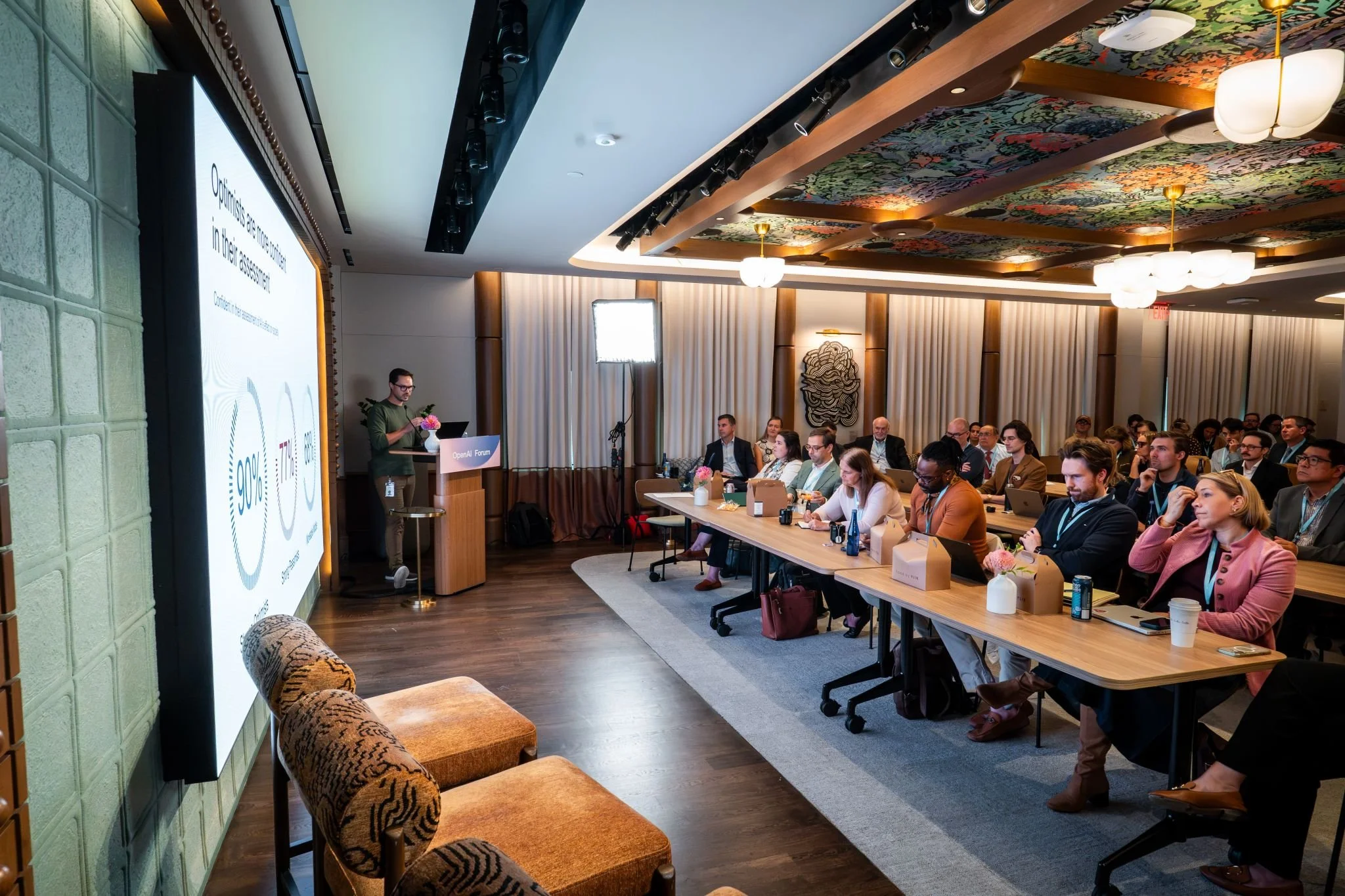
Writing on LinkedIn, Testas argued: "On April 1, Yann LeCun delivered a compelling lecture at Brown University on world models and the future of AI."
He added that the lecture left an impression on its audience, noting: "Much of the audience walked away with the impression that LeCun had largely invented the concept of world models."
Testas also observed that LeCun "said little about their origins or predecessors," describing the omission as unsurprising "given his long-standing reluctance to credit Jürgen Schmidhuber for foundational ideas in the area."
LeCun's response on the history of world models
LeCun addressed the criticism directly on LinkedIn, making clear his patience had run out: "So far, I've ignored this kind of non-sense. But enough is enough. One should get one's facts straight before throwing vitriol at people's character."
He was equally direct on the core claim, disputing both his own and Schmidhuber's role in originating the idea: "I did not 'invent' world models, and neither did Jürgen. I have certainly promoted the idea but never claimed to have invented it."
Tracing the concept back further than either figure, LeCun pointed to optimal control theorists in the late 1950s and early 1960s as the true originators, citing the 1975 textbook by Bryson and Ho, Applied Optimal Control, as foundational reference material. He also noted that the use of a differentiable neural net model of the world to train a controller by backprop goes back to a 1990 paper by Nguyen and Widrow at IJCNN, saying: "This predates any work Jürgen did on the topic."
On Schmidhuber's specific contributions, LeCun was measured but firm, acknowledging the 2018 paper by Ha and Schmidhuber while arguing it "does not introduce any new concept beyond [Nguyen and Widrow 1990], other than the name 'world model' in the title." He also challenged Schmidhuber's broader claims directly: "Jürgen has claimed to have invented the idea, but he did not."
LeCun added that he had been publicly advocating the use of world models for planning since at least 2015, pointing to his 2016 NIPS keynote and papers published in 2017 and January 2019 as evidence of his track record in the area.
AI research and education
On where the field's energy should be directed, LeCun was unambiguous: "The real question is NOT 'who invented world models' but precisely how to actually make them work on non-trivial tasks. Ideas are a dime a dozen. Showing how to make them work is what really matters."
He also signaled further commentary to come, noting that joint embedding architectures, JEPA, and infomax methods would be addressed in a future post, adding: "Jürgen didn't invent that either. It goes back to a 1989 paper by Becker and Hinton."
For educators, researchers, and EdTech developers working with AI curricula, the dispute highlights a wider tension in the field around how foundational concepts are attributed, taught, and communicated to students. As world models become increasingly central to next-generation AI development, accurate historical framing matters both for academic integrity and for the credibility of AI education programs built on these ideas.