ChatGPT Images 2.0 is here and it finally handles text, slides and multilingual content
Launch lands with sharper text rendering, multilingual gains and an API release developers can plug straight into classroom and workforce tools.
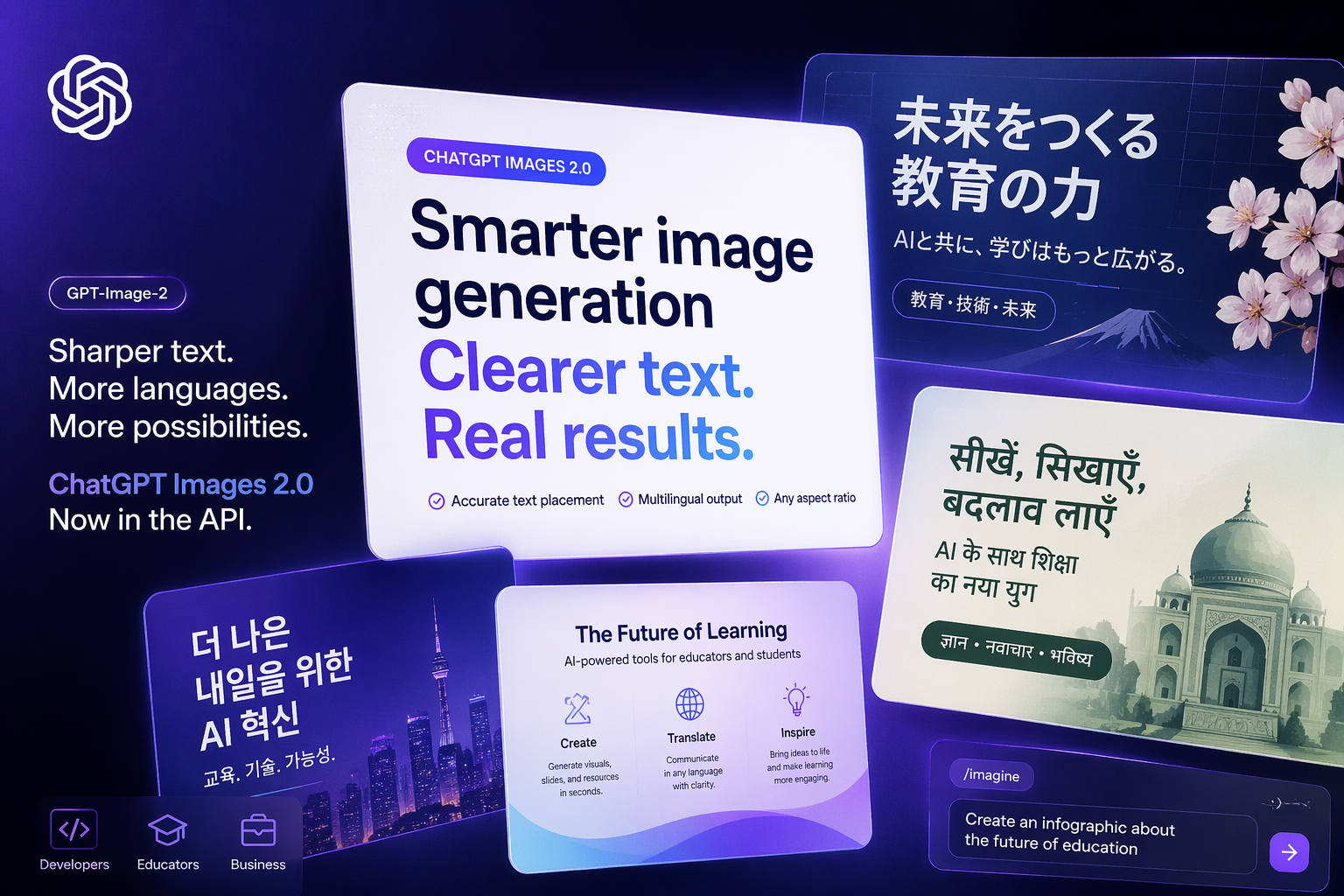
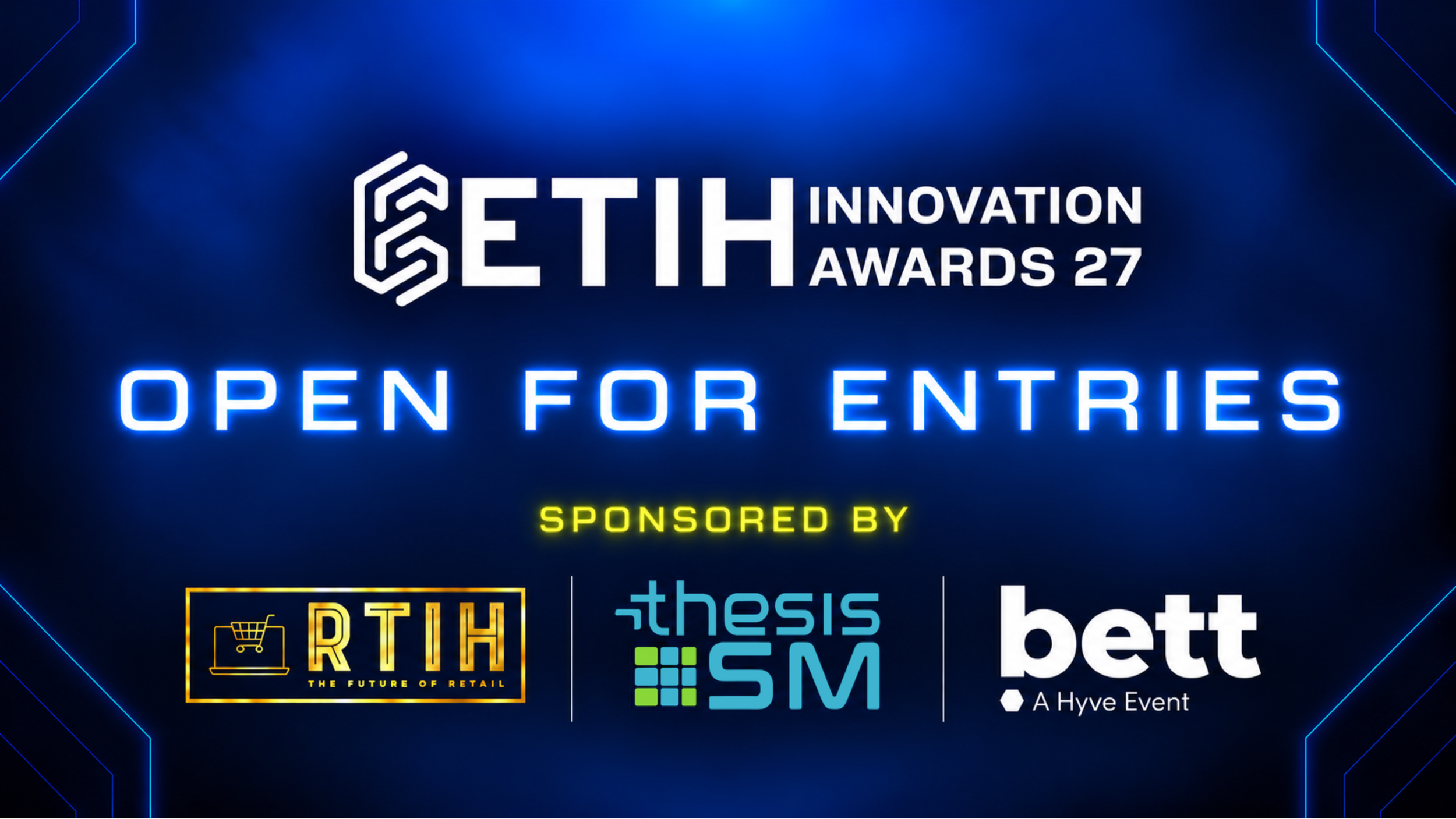
We created this image using ChatGPT Images 2.0 to test its multilingual text rendering and layout accuracy. The output demonstrates clearer typography, structured design, and real-world use cases for education and content creation.
OpenAI has launched ChatGPT Images 2.0, rolling out today to all ChatGPT and Codex users, with the underlying GPT-Image-2 model available in the API from day one. The company is pitching the release at educators, developers and EdTech builders, with sharper text rendering, multilingual output and thousands of aspect ratios up to 2K.
In a LinkedIn post, OpenAI says the model is "a step change in detailed instruction following, placing and relating objects accurately, and rendering dense text, with the ability to generate across aspect ratios." More than one billion images have now been generated through ChatGPT, according to Nick Turley, Head of ChatGPT.
OpenAI pitches classroom and business use cases
OpenAI for Business confirmed GPT-Image-2 went live in the API today, saying the model "makes it easier to build image workflows for real business use cases: localized advertising, infographics, explainers, educational content, design tools, creative platforms, and web creation products."
Turley said on LinkedIn that the model can plan and refine outputs when given more thinking time, posting: "ChatGPT Images 2.0 is a big leap forward in image generation intelligence." Images with thinking are limited to ChatGPT Plus, Pro and Business subscribers.
Abhi Muchhal, a product lead at OpenAI, said the team focused on text rendering in Asian languages, sharing examples of Japanese manga, a Korean advertisement and an Indian bookstore. He called the release "Another meaningful step in making sure AGI benefits all of humanity."
Wharton professor says image AI has crossed a quality threshold
Ethan Mollick, associate professor at The Wharton School and author of Co-Intelligence, said on LinkedIn he had been testing the model for weeks and changed his mind about its significance. "I didn't think that better image-generators would be a big deal but it turns out that there is a quality threshold I didn't expect, where you can now get text, slides, academic papers from an image model," he posted, sharing first-attempt outputs from what he calls his otter test.
The release puts pressure on Google, Adobe and the open-source image ecosystem, all of which have been closing the gap on text rendering through 2025 and 2026. The next question for EdTech builders is API pricing and rate limits on GPT-Image-2, which will decide how fast smaller startups can ship student-facing features before larger platforms move in.