Code.org enters new AI chapter as Karim Meghji steps up to President and CEO
New CEO sets out AI fluency agenda as nonprofit prepares next phase of computer science expansion.
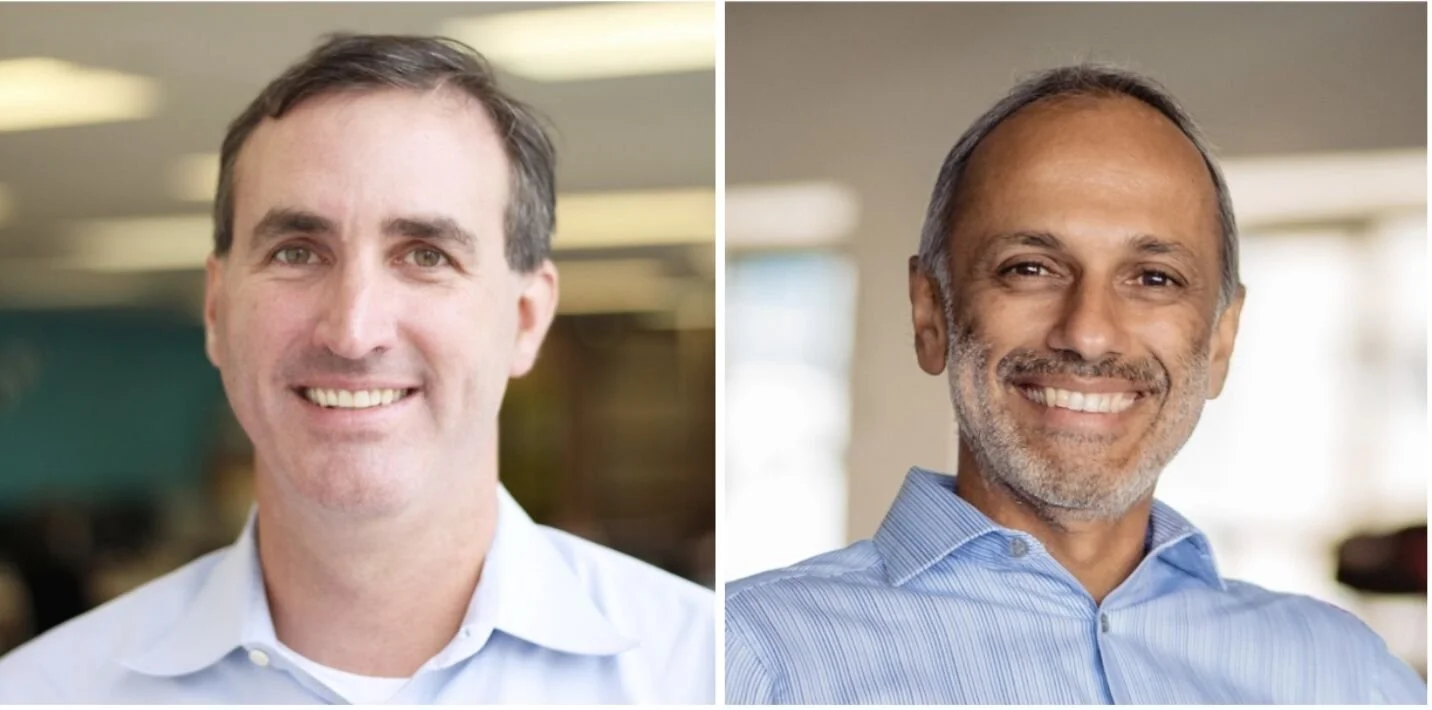
Code.org has appointed Karim Meghji as President and CEO, confirming a leadership transition at one of the largest computer science education nonprofits globally.
Meghji, who previously served as Chief Product Officer, outlined his priorities in a LinkedIn post and accompanying announcement, placing AI and computer science access at the center of the organization’s next phase.
The change comes as schools and policymakers continue to define how AI should be embedded into curriculum and skills development. In his public remarks, Meghji positioned the organization’s work within what he described as the “Intelligence Age,” emphasizing both access and deeper technical understanding.
Leadership transition and continuity
In his LinkedIn post, Meghji reflected on his early experience with computing. He wrote, “My journey into Computer Science started in a high school math class, tapping away on an Apple IIe.” He added, “That experience sparked a sense of agency and ‘the possibilities’ that changed my life.”
He described stepping into the CEO role as a significant responsibility. “In my four years as Chief Product Officer, I’ve found this to be both my dream job and my greatest challenge. Stepping into the role of President and CEO is a profound privilege and an even greater responsibility. The stakes are high, and the moral imperative is clear,” he wrote.
Meghji thanked outgoing leadership, writing, “I want to express my deepest gratitude to Cameron Wilson for his decade-plus of leadership; he has been an incredible coach and thought partner to me.” He also referenced Code.org founder Hadi Partovi, stating, “I’m thrilled that Hadi will remain as active as ever in his role as Chairman as we embark on our next chapter.”
Wilson will remain with the organization through June to support the transition. Partovi continues as Chairman of the Board and Founder.
From AI literacy to AI fluency
A central theme of Meghji’s announcement was a reframing of AI education. He wrote, “There is a narrative that AI makes computer science obsolete. We fundamentally disagree.” He continued, “However, I do believe we need to reshape the conversation and move from AI Literacy - knowing how to use a tool - to AI Fluency - understanding what happens under the hood.”
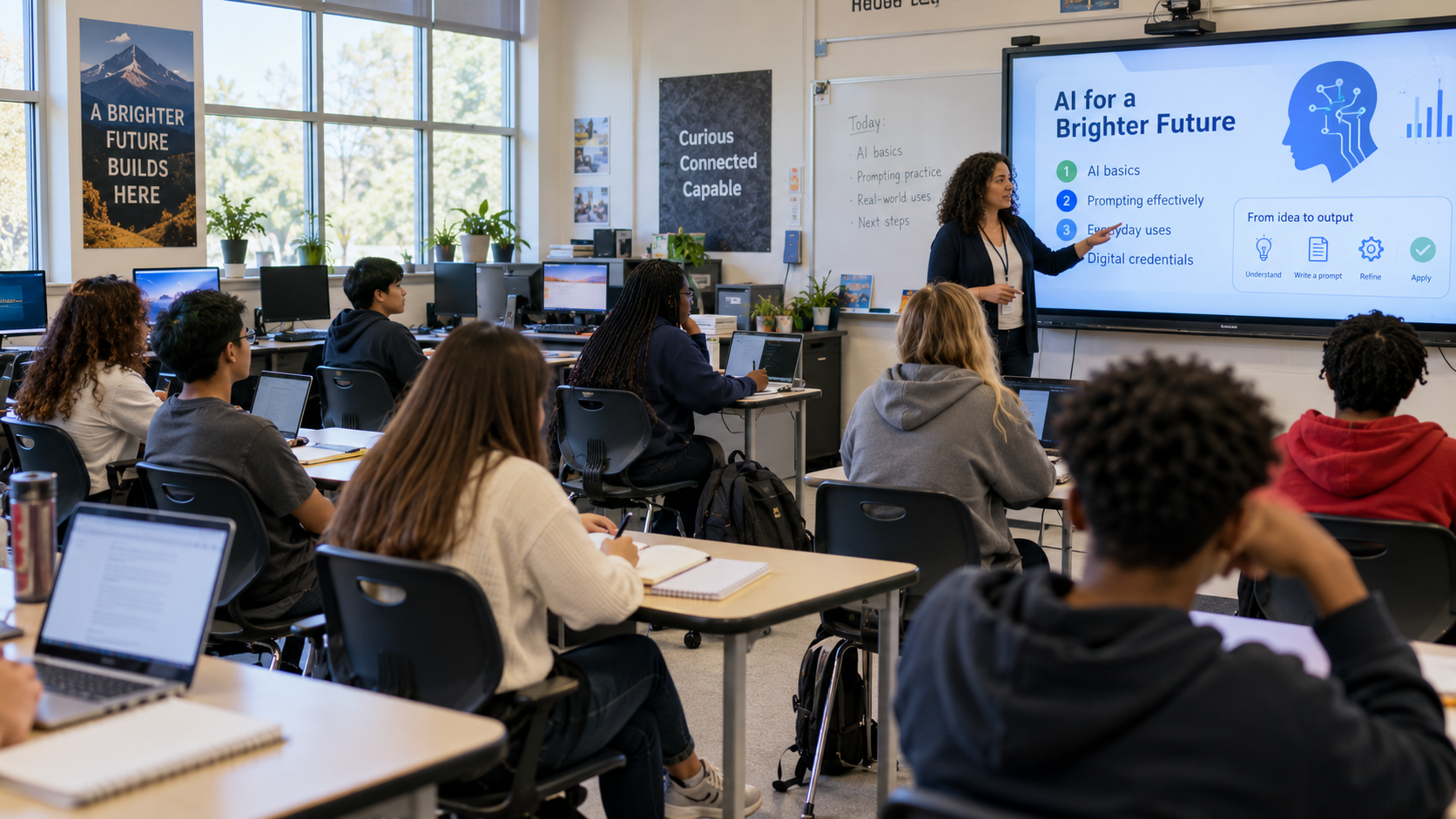
He argued that teaching foundational concepts prepares students to become “architects of real-world solutions, not just consumers of technology.” To illustrate this, he shared feedback from a student in an AI Foundations course: “I appreciated the chance to experiment with AI and see how it can support creativity, but I also learned how important it is to stay in control of the final product. The challenge helped me understand both the strengths and limitations of AI, and it made me more aware of the ethical decisions involved in using these tools. Overall, it was interesting, helpful, and made me think more critically about how AI fits into real-world work and learning.”
Access and equity in the AI era
Meghji framed AI and computer science education as access issues. “If we don't ensure that every student, regardless of their background, has access to AI+CS education, we risk widening the digital divide,” he wrote.
He added, “Our mission remains unchanged: ensuring every student has the opportunity to learn AI and computer science,” adding that strategy will focus on “giving students the durable, ethical, adaptable, and practical skills they will need to shape it.”
For districts evaluating AI integration and curriculum reform, the appointment signals continuity in Code.org’s core mission while placing AI fluency more explicitly at the forefront of its public messaging.
ETIH Innovation Awards 2026
The ETIH Innovation Awards 2026 are now open and recognize education technology organizations delivering measurable impact across K–12, higher education, and lifelong learning. The awards are open to entries from the UK, the Americas, and internationally, with submissions assessed on evidence of outcomes and real-world application.