Microsoft’s AI Skills 4 Women training course ignites online backlash
Microsoft has launched a free “AI Skills 4 Women” course with partners in Luxembourg, but LinkedIn critics argue the “non technical” positioning reinforces stereotypes and lowers expectations for women in AI.
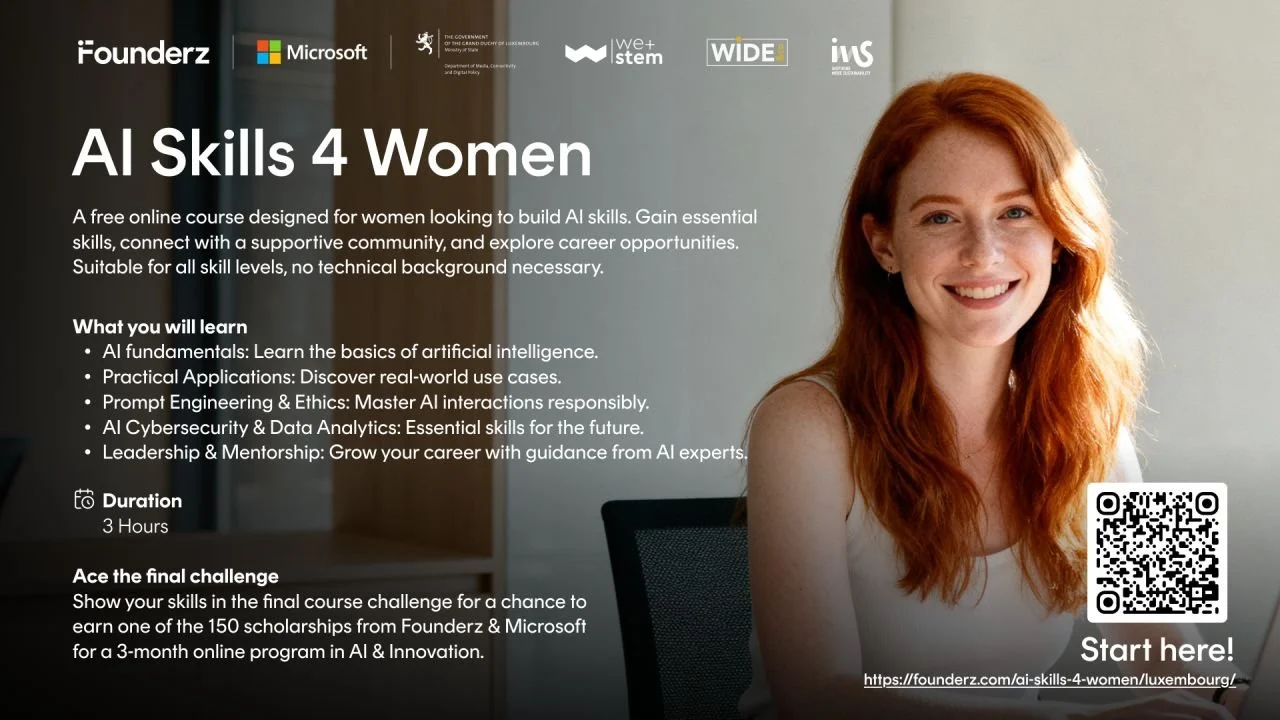
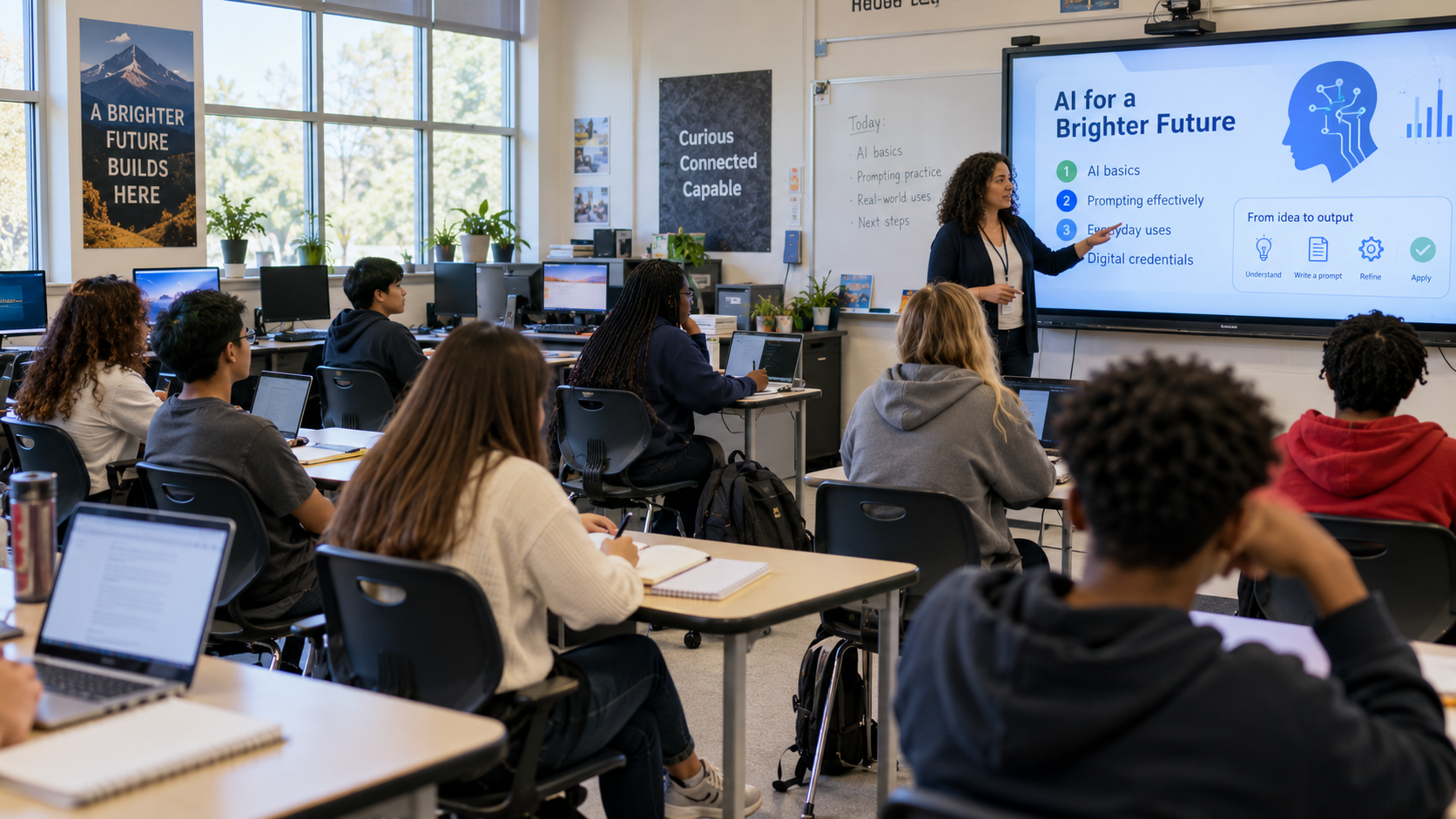
Microsoft has launched a new training initiative titled AI Skills 4 Women, positioning it as a free, accessible online course designed to help increase female participation in artificial intelligence.
Within hours of the announcement on LinkedIn, however, AI researchers and industry professionals challenged the way the course was framed, particularly Microsoft’s description of it as “non technical.”
The program is funded by Microsoft and delivered via the Founderz platform, in cooperation with the Department of Media, Connectivity and Digital Policy (SMC) and partner associations including WeSTEM+, WIDE ANDCO, and IMS Luxembourg – Inspiring More Sustainability.
In its LinkedIn post announcing the initiative, Microsoft wrote: “We are delighted to announce the launch of AI Skills 4 Women.”
The company described the initiative as “An accessible online learning initiative funded by Microsoft and delivered via the Founderz platform, in cooperation with the Department of Media, Connectivity and Digital Policy (SMC) and the associations WeSTEM+, WIDE ANDCO, and IMS Luxembourg - Inspiring More Sustainability.”
It outlined the structure of the program, stating: “AI Skills 4 Women is a free, non technical online program designed to support every woman, whether just beginning her AI journey or already familiar with the topic, in developing new skills, building confidence, and integrating AI into both professional and personal contexts.”
The post anchored the initiative in representation data, noting: “Only 12% of AI researchers are women.” “Fewer than 22% of AI professionals are women.” and “Only 24% of AI faculty members are women.” Microsoft framed the course as part of a broader inclusion strategy, writing: “If we want AI to be ethical, inclusive, and truly representative of society, we need more women to build, shape, and lead tomorrow’s innovations.”
The company added that participants “will also have the opportunity to join additional in person talk sessions hosted by our partner associations for those wishing to deepen their understanding.”
Critics question the implications of “non technical”
The criticism that followed did not dispute the gender gap data. Instead, it focused on what some saw as the implicit assumption embedded in the course positioning.
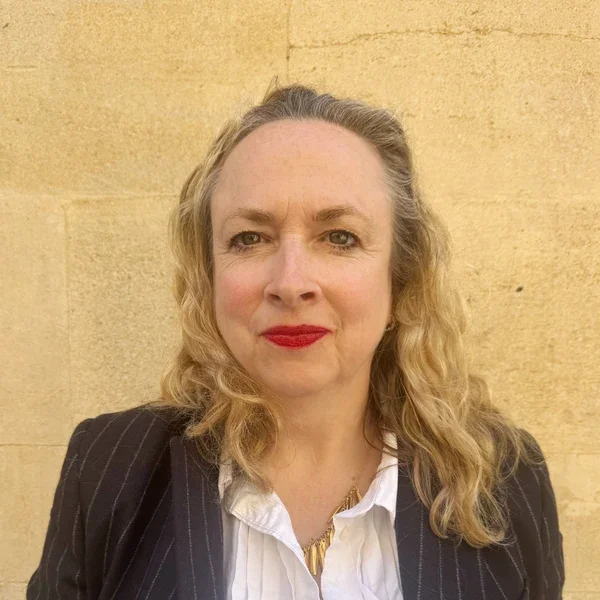
Victoria Hedlund, AI Bias Researcher and Oversight Consultant and Founder of GenEd Labs.ai, responded publicly on LinkedIn. She began by signaling her reaction to the framing rather than the concept itself, writing: “🤬 When I first saw this I thought this was a joke.”
She continued: “But it’s not. It’s actually real.” Hedlund then reduced the messaging to what she viewed as its core contradiction, writing: “We need more women in AI. ‘Here’s a course for women who are less technical.”
She argued that this juxtaposition illustrates the kind of embedded assumptions that influence AI systems more broadly, writing: “Anyone who is wondering where AI gets its gender bias need look no further than this as a demonstration of implicit bias.”
In the same post, she stated: “The idea that ‘women’ as a collective are non-technical.” She framed the concern as educational as well as professional, asking: “With this baseline assumption what hope do our girls have in education?”
To illustrate her point, she wrote: “‘Here’s a non-technical physics GCSE for you’.” Hedlund suggested that symmetry in targeting might have altered the perception of the initiative, adding: “The only way this would begin to be digestible was if they also released an ‘AI Skills for men’ Course.”
She continued: “Or even better, a non-binary course.” She concluded: “I am both shocked and appalled that from the massive platform Microsoft and Microsoft AI Skills have this is what they have produced.”
And ended her post with: “Not good enough.”
Industry voices raise concerns about expectations
Other professionals in AI and digital transformation echoed similar concerns, focusing on how gender-targeted programs are often positioned.
Ioana Marcoux, Human-Centered AI & Digital Transformation Leader, wrote in response to Microsoft’s post: “Supporting women in AI is essential, Microsoft!” She then cautioned against what she described as a recurring pattern, writing: “But we should be careful with a recurring pattern: programs ‘for women’ often default to being non-technical, introductory, and short.”
Marcoux framed the issue around standards rather than access, stating: “The risk is not inclusion, it’s lowered expectations.” She continued: “Ethical and inclusive AI requires diversity and high-level skills.”
Marcoux then reframed the debate: “The real question is not ‘how do we make AI simpler for women?’ but ‘how do we ensure women have full access to complex, decision-making, and technical AI roles !”
Maria Sukhareva, Principal Expert in AI, responded with sarcasm that underscored the same concern about implied capability. She wrote: “Oh what a joy! Finally I will also know what AI is! All other courses are so difficult for my delicate female brain!”
Another commenter, Yasemin Yalcinkaya, PhD, Computer Scientist (HPC/optimization), wrote: “Wawww does Microsoft believe that only men can understand AI and anything ‘technical’ and we women do not have enough braincells to be able to follow a ‘technical’ course on AI??? Where is this coming from? I am happy to stay away from anything ‘Microsoft’. I am seriously gobsmacked with this announcement.”
Hedlund also commented directly under Microsoft’s original announcement, writing: “This is 50 shades of insulting to women. Did no one think about how this presents? You’ve essentially made ‘AI for Women Dummies’ Course.”
Messaging versus design
Not all responses framed the issue as structural bias. Some suggested the backlash may stem from how the program was communicated.
Blenda G., Senior Data Scientist, wrote: “The way it is being communicated brings more confusion than empowerment. Unfortunately.” She clarified that the course itself may not be limited in access, stating: “This is a course made to everyone, anyone can subscribe and learn.”
She then drew attention to the scholarship element, writing: “The SCHOLARSHIP is WOMEN only, the should’ve focused on it.” Blenda G. added: “I believe it is a great initiative, truly, but the lack of emphasis on the 150 existing scholarships and the prerequisite of being a woman and having completed this course has given way to an emphasis on having a ‘non-technical’ AI course for women.”
The course landing page describes a three-hour, 100 percent online format covering AI fundamentals, practical applications, prompt engineering and ethics, AI cybersecurity and data analytics, and leadership and mentorship. It states that participants receive an Official Microsoft Credential upon completion and that 150 scholarships are available for a three-month AI & Innovation certificate program.
The debate, however, has centered less on curriculum specifics and more on positioning.
For workforce skilling providers operating in AI, the exchange highlights a persistent challenge: how to lower barriers to entry without signaling lower technical ambition. In a field already scrutinized for gender imbalance and algorithmic bias, language choices around access and ability are attracting heightened attention.
Microsoft has not publicly responded to the LinkedIn criticism at the time of writing.
ETIH Innovation Awards 2026
The ETIH Innovation Awards 2026 are now open and recognize education technology organizations delivering measurable impact across K–12, higher education, and lifelong learning. The awards are open to entries from the UK, the Americas, and internationally, with submissions assessed on evidence of outcomes and real-world application.