Microsoft confirms Saudi Arabia East cloud region will go live in Q4 2026
Microsoft has confirmed that customers will be able to run cloud workloads from its Saudi Arabia East datacenter region starting in Q4 2026, marking a new phase in the company’s long-term investment in the Kingdom and its support for Vision 2030.
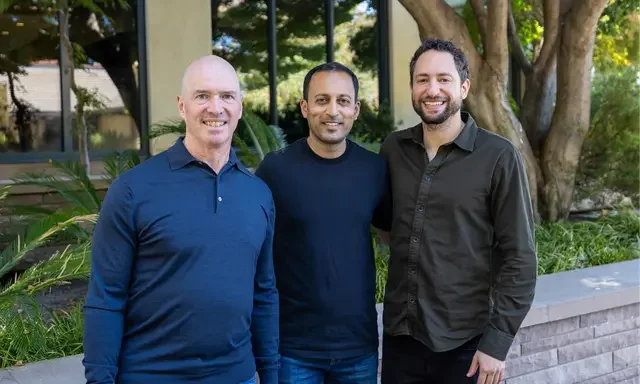
Brad Smith, Vice Chair and President at Microsoft, took to LinkedIn to announce the milestone and wrote: “Today, Microsoft took another important step in our long-term partnership with Saudi Arabia. We confirmed that customers will be able to run cloud workloads from our Saudi Arabia East datacenter region starting in Q4 2026. This is an important milestone in support of the Kingdom’s Vision 2030 goals and its growing digital economy.
We’re already seeing what this foundation makes possible. Organizations like Qiddiya | القدية and Acwa are moving from experimentation to production, using cloud and AI to strengthen decision-making, build resilience, and advance sustainability at scale.”
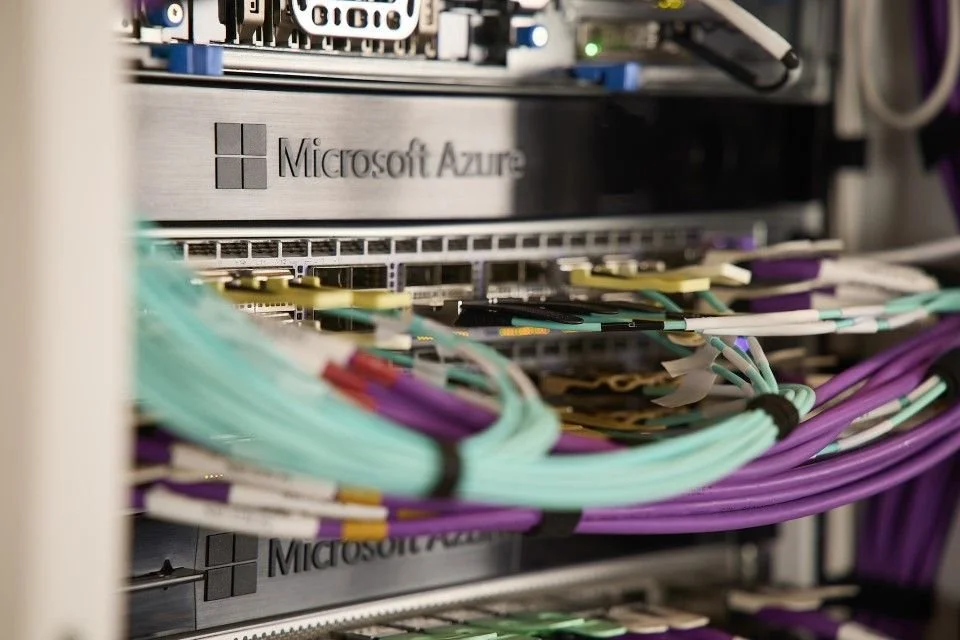
The new Microsoft Azure cloud datacenter region, located in Saudi Arabia’s Eastern Province, will include three availability zones with independent power, cooling, and networking infrastructure. From Q4 2026, public and private sector organizations will be able to run cloud and AI workloads locally, supporting low latency, data residency, and high availability requirements.
For education providers, training institutions, and EdTech vendors operating in the region, the shift to local cloud availability has implications for compliance, performance, and the scaling of AI-enabled services.
Infrastructure shifts toward production AI
Microsoft positions the launch as a transition from infrastructure build-out to AI adoption at scale. The company says the region is designed to support mission-critical workloads across government and key industries, reinforcing its longer-term strategy around sovereign-ready and compliant cloud environments.
H.E. Eng. Abdullah bin Amer Al-Swaha, Minister of Communications and Information Technology, says: “This milestone reflects Saudi Arabia’s continued progress in building advanced, trusted AI infrastructure that supports our ambition to become an AI-enabled nation. We thank Microsoft for its strategic investment in the foundations of the AI economy in Saudi Arabia, enabling the Kingdom to serve as a platform for global progress. Our collaboration with leading global technology partners is strengthening a secure and resilient digital and AI ecosystem that empowers innovation, enhances competitiveness, and supports sustainable national growth.”
Smith adds: “Around the world, governments and institutions are seeking cloud infrastructure that combines innovation with trust, resilience, and respect for national requirements. Our long-term investment in Saudi Arabia reflects a shared commitment to building secure, sovereign-ready digital foundations that enable countries to adopt cloud and AI with confidence. As organizations prepare to run workloads in the Kingdom, our focus remains on supporting responsible technology deployment that strengthens economic growth, public services, and digital stability over the long term.”
The company has also announced intent with the Public Investment Fund and Site to explore sovereign cloud services, alongside regulatory engagement focused on compliance and responsible AI deployment.
Early enterprise use cases move from pilot to scale
Microsoft says several Saudi organizations are already moving from AI experimentation into production environments.
Turki Badhris, President of Microsoft Arabia, says: “Confirming that customers will be able to run cloud workloads from our Saudi Arabia East datacenter region in Q4 2026 provides organizations with clarity and confidence as they plan their digital and AI journeys. Across Saudi Arabia, we are working closely with government entities, enterprises, and partners to support readiness – from data modernization and governance to skills development – so customers can move from experimentation to production with confidence. This milestone reflects our long-term commitment to enabling meaningful, scalable impact for the Kingdom’s public and private sectors.”
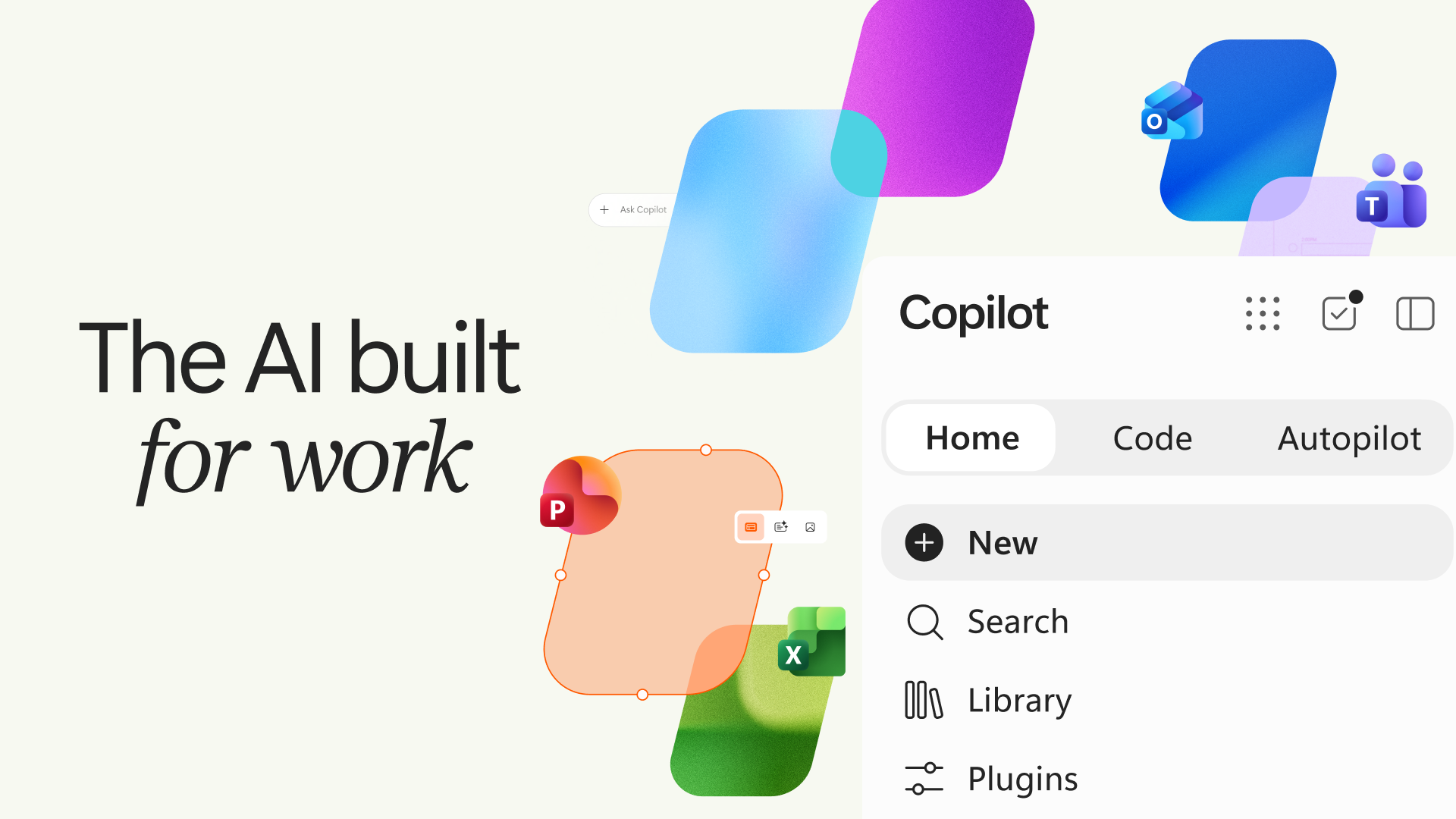
Acwa is using Azure AI services and Microsoft’s data platform to optimize energy and water operations, applying analytics and predictive maintenance across its portfolio. Qiddiya Investment Company is expanding its use of Microsoft 365 Copilot and Power BI to manage data across large-scale development projects, using natural language prompts to interrogate dashboards and track invoices, contractors, and project risks.
The Saudi Arabia East region will become part of Microsoft’s global cloud infrastructure of more than 70 Azure regions across 33 countries. As Q4 2026 approaches, the focus now shifts to readiness, including governance frameworks, data modernization, and workforce skills.
ETIH Innovation Awards 2026
The ETIH Innovation Awards 2026 are now open and recognize education technology organizations delivering measurable impact across K–12, higher education, and lifelong learning. The awards are open to entries from the UK, the Americas, and internationally, with submissions assessed on evidence of outcomes and real-world application.