VodafoneThree backs move to bring AI chatbots under UK Online Safety Act
Government decision follows research showing almost a third of children view AI chatbots as friends.
VodafoneThree has welcomed the UK Government’s decision to bring AI chatbots under the Online Safety Act, following new research indicating that almost a third of children see AI chatbots as friends. The move signals tighter oversight of emerging AI tools increasingly used by young people.
Nicki Lyons, Chief Corporate Affairs and Sustainability Officer at VodafoneThree and Board Member of the NSPCC Child Safety Online Taskforce, referenced the findings in a LinkedIn post. She wrote: “With almost a third of children already seeing AI chatbots as friends, the Government’s decision to bring them under the Online Safety Act is the right one.”
The research was published on Safer Internet Day and examined how chatbot design and human-like characteristics influence the way children interact with AI systems.
Safety by design under scrutiny
Lyons said the company’s research “showed how a lack of safe design and the human-like characteristics of AI chatbots are shaping the way children engage with them.” She added that the Government’s announcement is “an important step towards ensuring emerging technologies are covered by stronger standards, with safety by design at their heart.”
The extension of the Online Safety Act to AI chatbots places additional focus on product design, risk mitigation, and child protection standards as generative AI tools become embedded in everyday digital life.
Lyons stated that “This must remain central to the upcoming consultation, so that children can enjoy safe and positive experiences online.”
Digital parenting resources expand
Alongside its policy position, VodafoneThree highlighted practical guidance for families. Lyons said: “For parents looking for support, we also have resources, tools and guidance created with NSPCC available on our Digital Parenting Hub to help families navigate conversations about safe AI chatbot and device use.”
The Digital Parenting Hub includes a guide titled Understanding AI and chatbots: A guide for parents and carers, developed in partnership with NSPCC and First News. Additional resources include NSPCC’s Child’s Phone Toolkit, a Parental Controls Toolkit, guidance on choosing a child’s first phone, and structured advice for family conversations about device use.
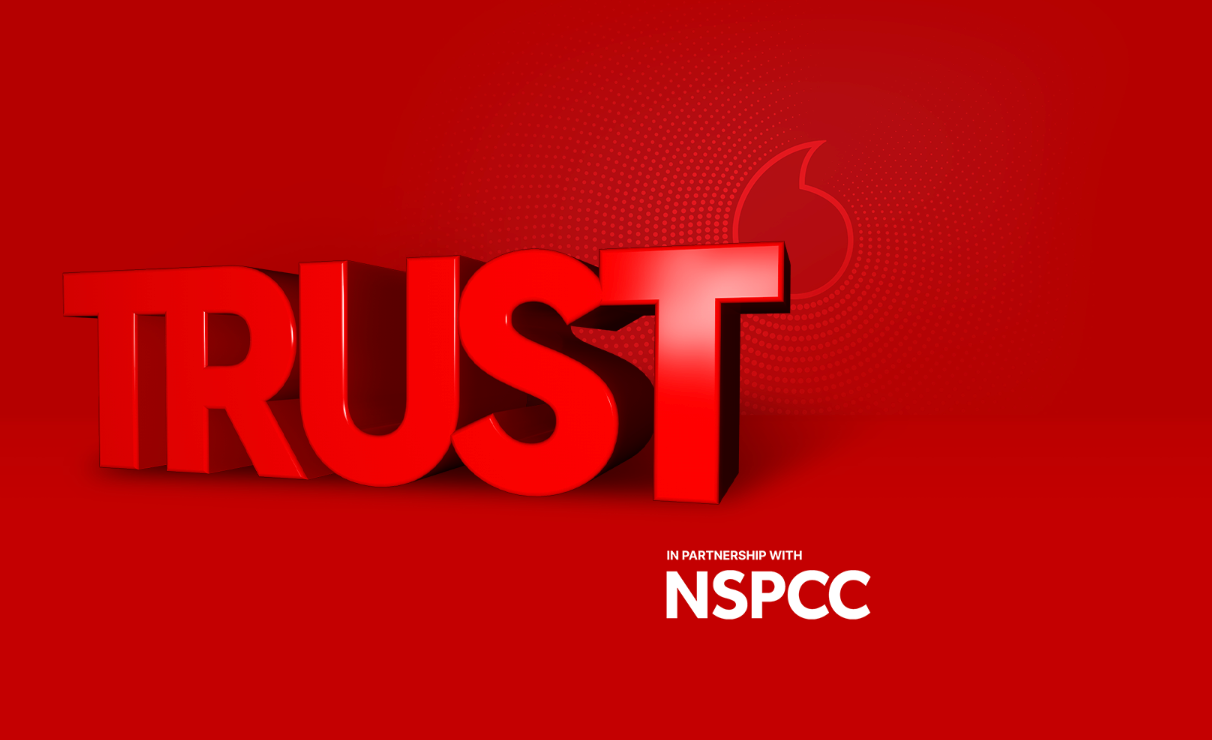
The NSPCC’s toolkit centers on the acronym T.R.U.S.T., covering talking about safe phone use, recognizing rights to safety online, using wellbeing tools, accessing support, and continuing conversations over time. Families are encouraged to create a “family phone pledge” to set agreed boundaries around device use, app access, digital citizenship, and support pathways.
VodafoneThree has also published broader research and press materials examining AI chatbot use among children, online scams, and digital risks.
Regulation meets rapid AI adoption
The decision to include AI chatbots within the Online Safety Act reflects growing concern about how conversational AI tools are designed and deployed, particularly when used by children.
As AI systems become more human-like in tone and interaction style, questions around emotional dependency, data use, and safeguarding continue to surface. The latest policy move suggests that regulation is beginning to catch up with adoption rates.
For EdTech providers, platform designers, and AI developers, the emphasis on safety by design signals a clear direction of travel: child protection standards will increasingly apply to conversational AI products, not just traditional social platforms.
ETIH Innovation Awards 2026
The ETIH Innovation Awards 2026 are now open and recognize education technology organizations delivering measurable impact across K–12, higher education, and lifelong learning. The awards are open to entries from the UK, the Americas, and internationally, with submissions assessed on evidence of outcomes and real-world application.