HopSkipDrive updates on-time engine to reduce student transportation delays
Company says new data-driven tools aim to close the “timing gap” for students who rely on specialized transportation services.
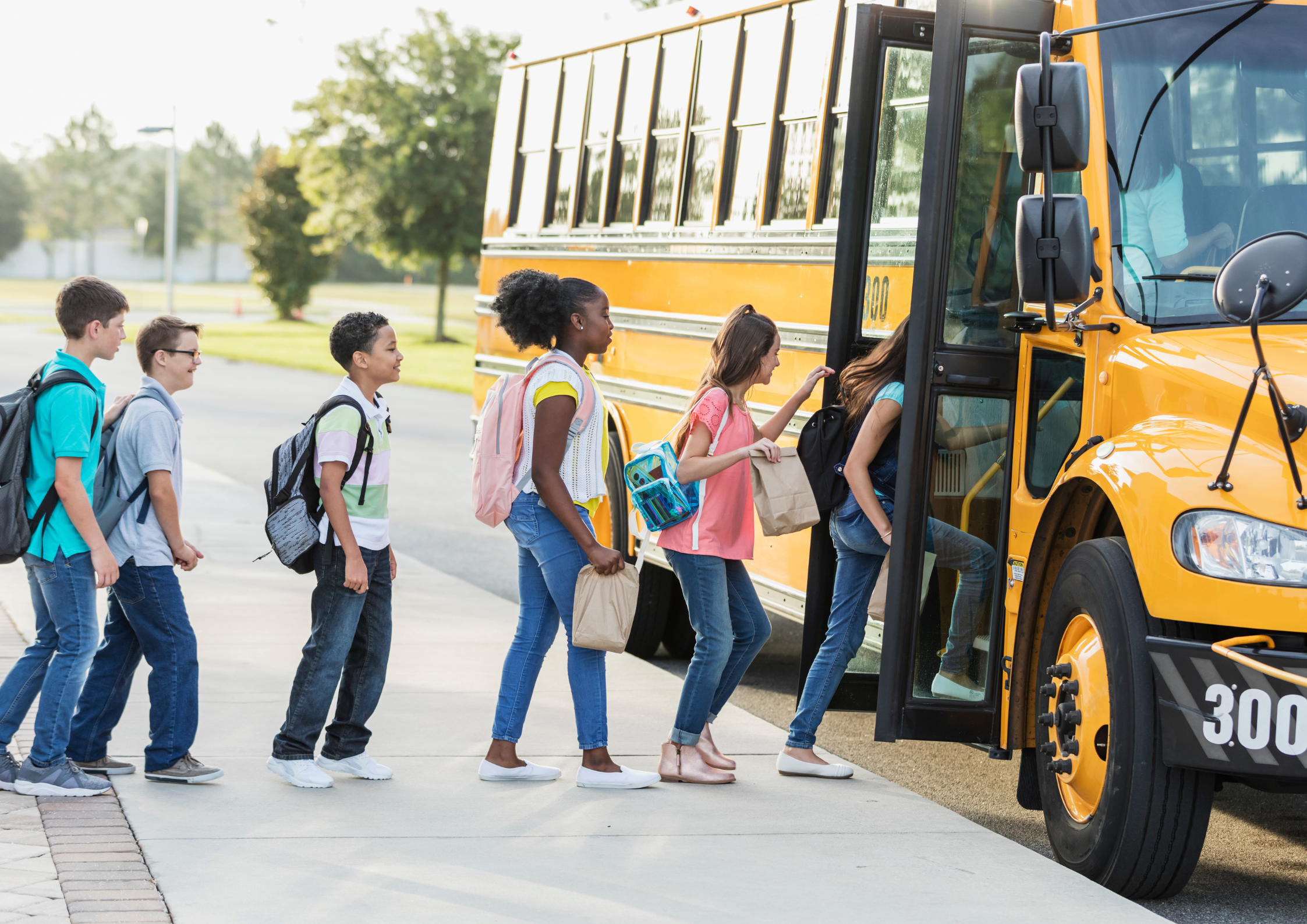
HopSkipDrive has announced updates to its “on-time engine,” introducing new predictive and operational tools designed to reduce late arrivals and early drop-offs for students who rely on alternative school transportation.
The Los Angeles-based company says the changes combine nearly a decade of Google Maps integration with internal ride data to improve timing precision, particularly for students with individualized education programs and those covered under McKinney-Vento protections.
The move targets what the company describes as the transportation “timing gap” — the minutes spent navigating school pickup lanes, loops, and handoffs that traditional navigation tools do not account for. For districts managing complex transportation needs, those minutes can affect attendance, meal access, and instructional time.
“We know that transportation directors spend 95% of their time solving for the last 5% of their students, the McKinney-Vento and IEP riders who require the most care. Five minutes can be the difference between a student receiving their morning meal or missing their first class,” says Corey McMahon, Chief Product and Technology Officer at HopSkipDrive. “We pair over a decade of operational data with purpose-built technology to deliver the exact precision needed to consistently improve on-time arrivals.”
Predictive timing and verified pickup locations
HopSkipDrive says three operational changes are driving improvements in timeliness.
Its predictive “Procedure Time” models draw on more than ten years of ride data to estimate how long it takes for students to safely enter or exit vehicles. The goal is to account for real-world conditions rather than relying solely on street-level navigation estimates.
The company has also revised CareDriver pickup instructions for complex campuses. By improving the clarity of school-specific notes, HopSkipDrive reports it has doubled internal quality scores tied to driver guidance, reducing delays caused by unclear handoff points.
Verified location pins are designed to identify precise doors or lanes rather than general campus addresses. The intent is to limit pickup confusion and reduce time spent circling school grounds.
The company attributes its ability to implement these changes to its direct driver relationship model, noting that it does not subcontract to third-party providers. That structure, it says, allows for tighter data feedback loops and operational oversight.
Real-time visibility for schools and families
HopSkipDrive has also expanded real-time tracking tools for administrators, school staff, and caregivers. RideIQ provides district-level oversight, Daily Queue offers school-based tracking, and the HopSkipDrive App gives families live updates on ride status.
“Daily Queue has allowed me to fully focus on my role as a ride organizer by saving me valuable time,” says Marcy P., Director of Transportation at Littleton Public Schools. “Allowing on-site staff to see live ride data means they can effectively track rides, leading to better hand-offs and coordinating smoothly with CareDrivers.”
The system is supported by the company’s Safe Ride Support team, which monitors rides in real time to identify potential issues before they escalate.
Framing timeliness as a safety metric
HopSkipDrive positions punctuality as part of its broader safety model, particularly for vulnerable student populations. The company says consistent arrival times can help districts address chronic absenteeism linked to transportation gaps.
“Our model is built on prevention, not reaction,” McMahon adds. “By removing the middleman, we prevent the communication breakdowns that cause delays. This ensures district budgets go directly toward a reliable student experience and driver quality, protecting both learning time and the district's bottom line.”
HopSkipDrive reports it has supported more than 13,500 schools across 21 states and nearly 1,300 school districts, government agencies, and nonprofit partners. As districts continue to face driver shortages and budget constraints, the emphasis on data-backed timing precision suggests transportation technology is becoming a more central lever in protecting instructional time.
ETIH Innovation Awards 2026
The ETIH Innovation Awards 2026 are now open and recognize education technology organizations delivering measurable impact across K–12, higher education, and lifelong learning. The awards are open to entries from the UK, the Americas, and internationally, with submissions assessed on evidence of outcomes and real-world application.