Microsoft ramps up AI investment at University of Washington as skills gap looms
Expanded access to advanced GPUs, internships, and workforce programs signals deeper industry–university alignment in an AI-driven economy.
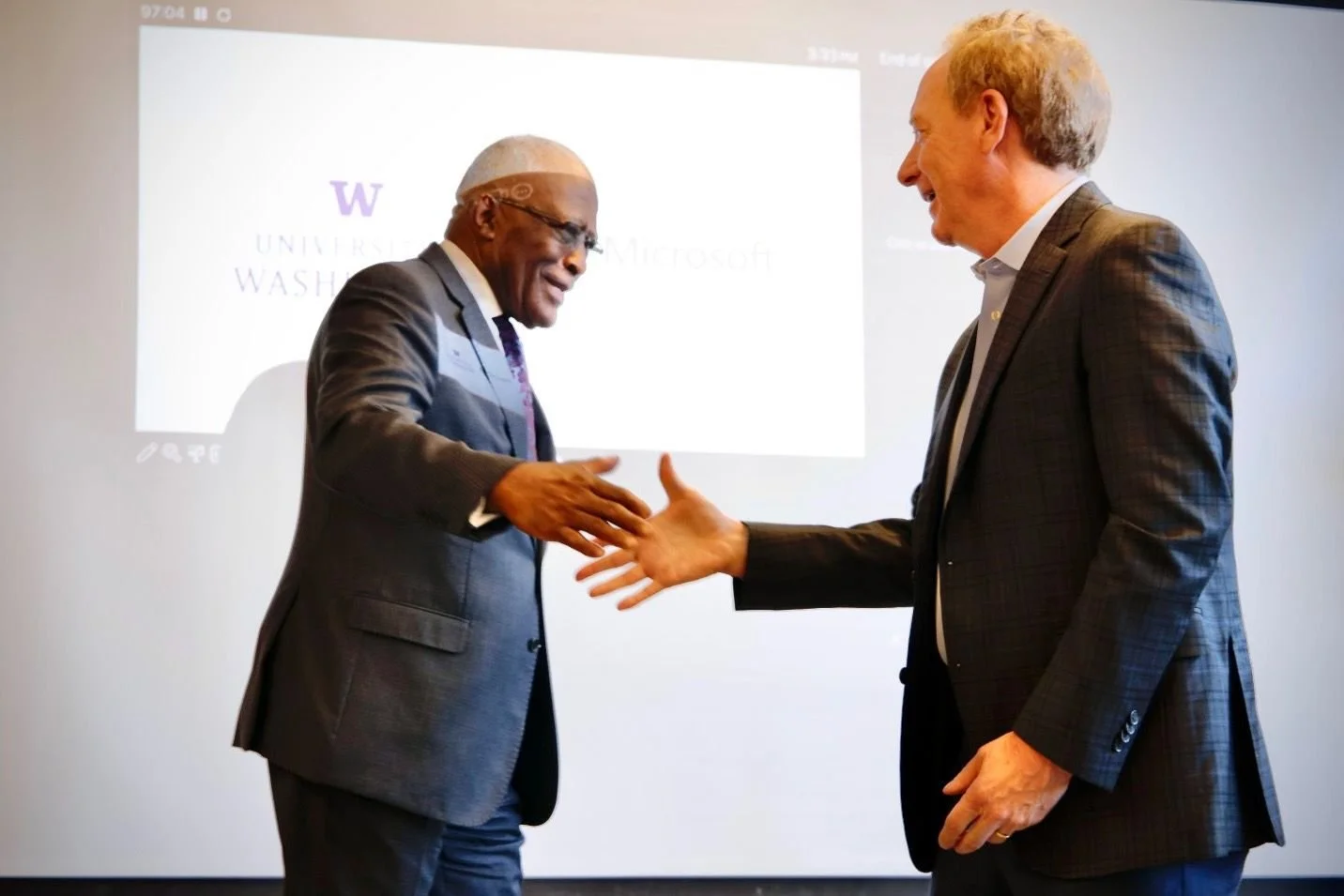
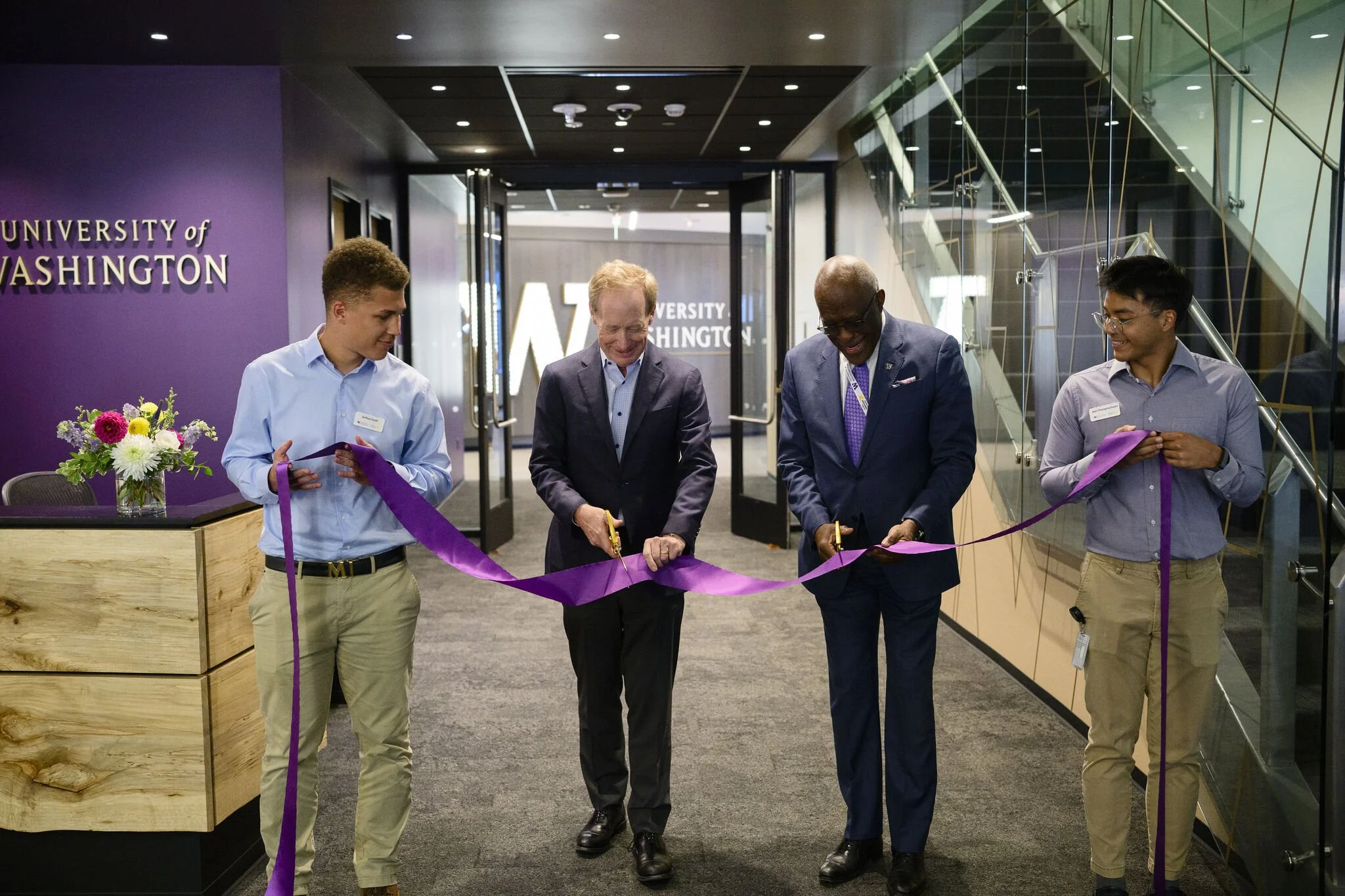
Microsoft has expanded its long-standing partnership with the University of Washington this week, increasing access to advanced AI computing, strengthening applied research collaboration, and launching new workforce-focused learning initiatives.
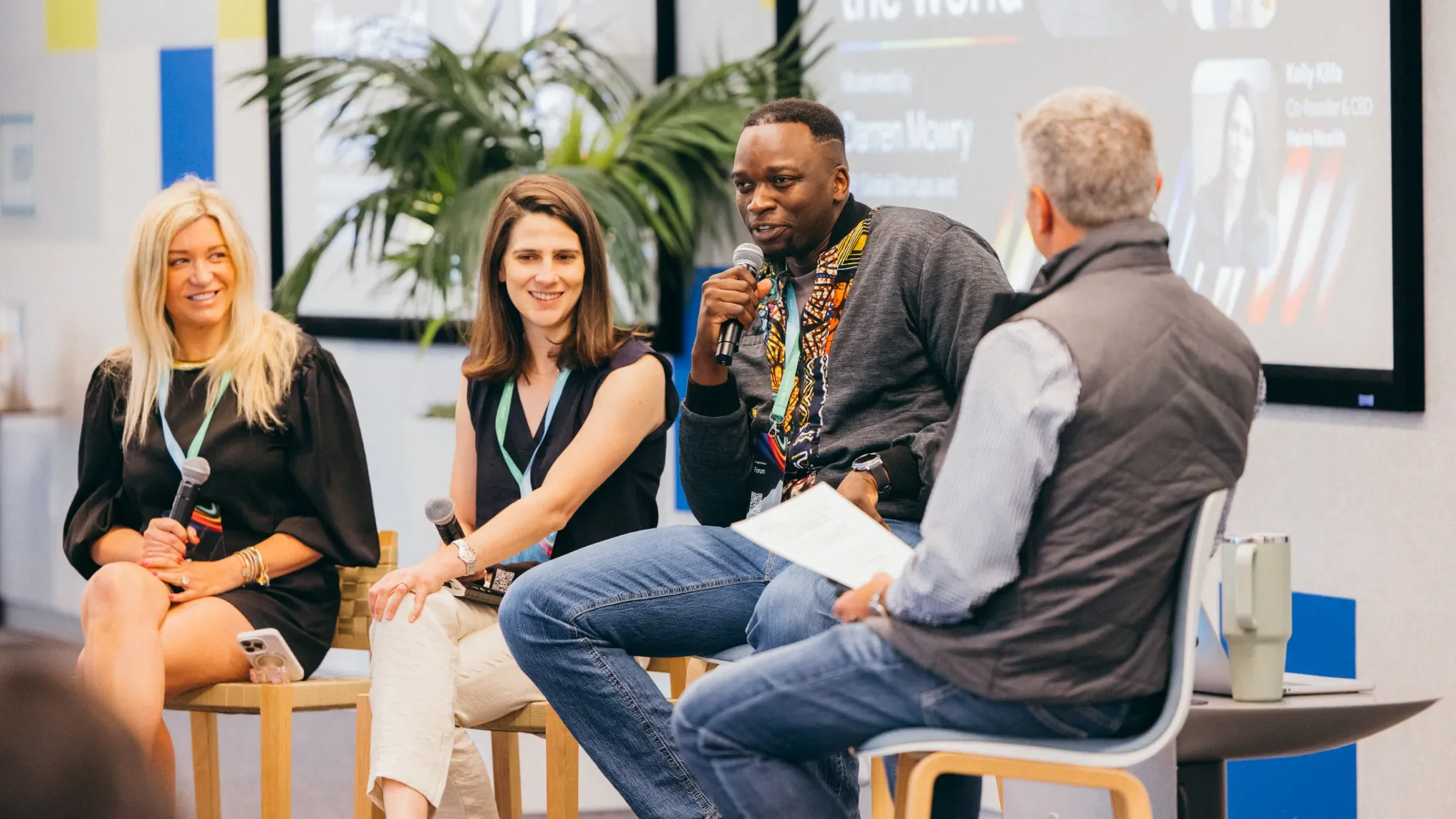
The announcement, made at the University’s Paul G. Allen School of Computer Science & Engineering by UW President Robert J. Jones and Microsoft Vice Chair and President Brad Smith, comes as Washington faces projected job vacancies of up to 1.5 million by 2032, most requiring post-secondary credentials.
In a LinkedIn post reflecting on the expansion, Smith argued that AI infrastructure is now foundational to modern research universities.
“We are now entering a new era shaped by AI. Just as research universities once depended on libraries, and later on labs, today they also depend on compute. Without it, research will not keep pace with the questions we need to answer or the challenges we need to solve,” Smith said.
As part of the expanded relationship, Microsoft increased UW’s access to advanced GPUs and datacenter capacity, while donating Azure cloud computing credits to support the development of a research cloud platform. For public institutions competing in AI research, access to high-performance compute has become central to funding competitiveness and talent attraction.
Research marketplace and applied pathways
The partnership also introduced a new “research marketplace,” supported by Microsoft’s AI for Good Lab, designed to connect UW faculty, visiting professors, and students with applied research opportunities inside Microsoft.
In his LinkedIn post, Smith emphasized that the collaboration extends beyond hardware investment. “We are creating new ways for UW researchers to work side by side with Microsoft teams, expanding internships through Microsoft Research and our AI for Good Lab, and opening more pathways for practical, responsible AI learning through UW Continuum College for working adults,” he said.
Microsoft will add 10 graduate student-researcher positions annually, eight through Microsoft Research and two through the AI for Good Lab. Internship opportunities will also expand, further linking academic research with industry application.
Jones framed the expansion as part of a broader institutional strategy to align education with workforce demand. “Our long-standing partnership with Microsoft demonstrates what’s possible when universities and industry come together to support students and our society, and we are grateful for their continued support,” Jones added. “Together, we’re expanding students’ access to hands-on learning, advancing AI research and strengthening our workforce.”
Workforce readiness and policy context
The timing reflects mounting labor market forecasts in Washington. Projections cited during the announcement estimate 640,000 new jobs and 910,000 vacancies due to retirements by 2032, with analysts warning of a potential shortfall of credentialed workers if current trends continue.
Smith connected the partnership directly to that workforce challenge. Referring to Jones’ wider priorities, he said, “President Jones has outlined a bold vision for the University of Washington, one that expands access and affordability in higher ed, forges radical partnerships and strengthens civic health.” He added that it was “essential that this vision includes broad access to AI technology and the skills to use it, so students, workers and communities across Washington are prepared for this new era of computing and can share fully in its benefits.”
As part of the workforce response, Microsoft and UW will collaborate with UW Continuum College to develop new AI-focused programs for working adults. These programs will address career resilience, evolving job demands, and transitions linked to AI-driven change.
Smith also addressed the funding environment surrounding higher education. “It’s critical that industry, colleges and universities, and policy makers continue to work together to maintain the region’s economy and climate of innovation and discovery,” he said. “That includes avoiding going backward by making cuts to core state funding that would make a college degree less accessible to our state’s students.”
Beginning this fall, the partnership will extend to Microsoft’s Redmond campus, where the organizations plan to co-develop select courses and workforce-connected learning experiences. The model will allow UW students to learn alongside Microsoft employees navigating AI-driven change.
Jones concluded that the expansion reinforces the University’s long-term economic role. “These new elements of our partnership with Microsoft continue to position the UW and our state as leaders in access to higher education and at the forefront of the emerging technologies that can drive broad-based prosperity,” he said.
ETIH Innovation Awards 2026
The ETIH Innovation Awards 2026 are now open and recognize education technology organizations delivering measurable impact across K–12, higher education, and lifelong learning. The awards are open to entries from the UK, the Americas, and internationally, with submissions assessed on evidence of outcomes and real-world application.