NIST launches $20 million quantum manufacturing center with SRI International
The Quantum Manufacturing Engineering Center will target production barriers affecting components and systems used in quantum computing, sensing, communications and other technologies.
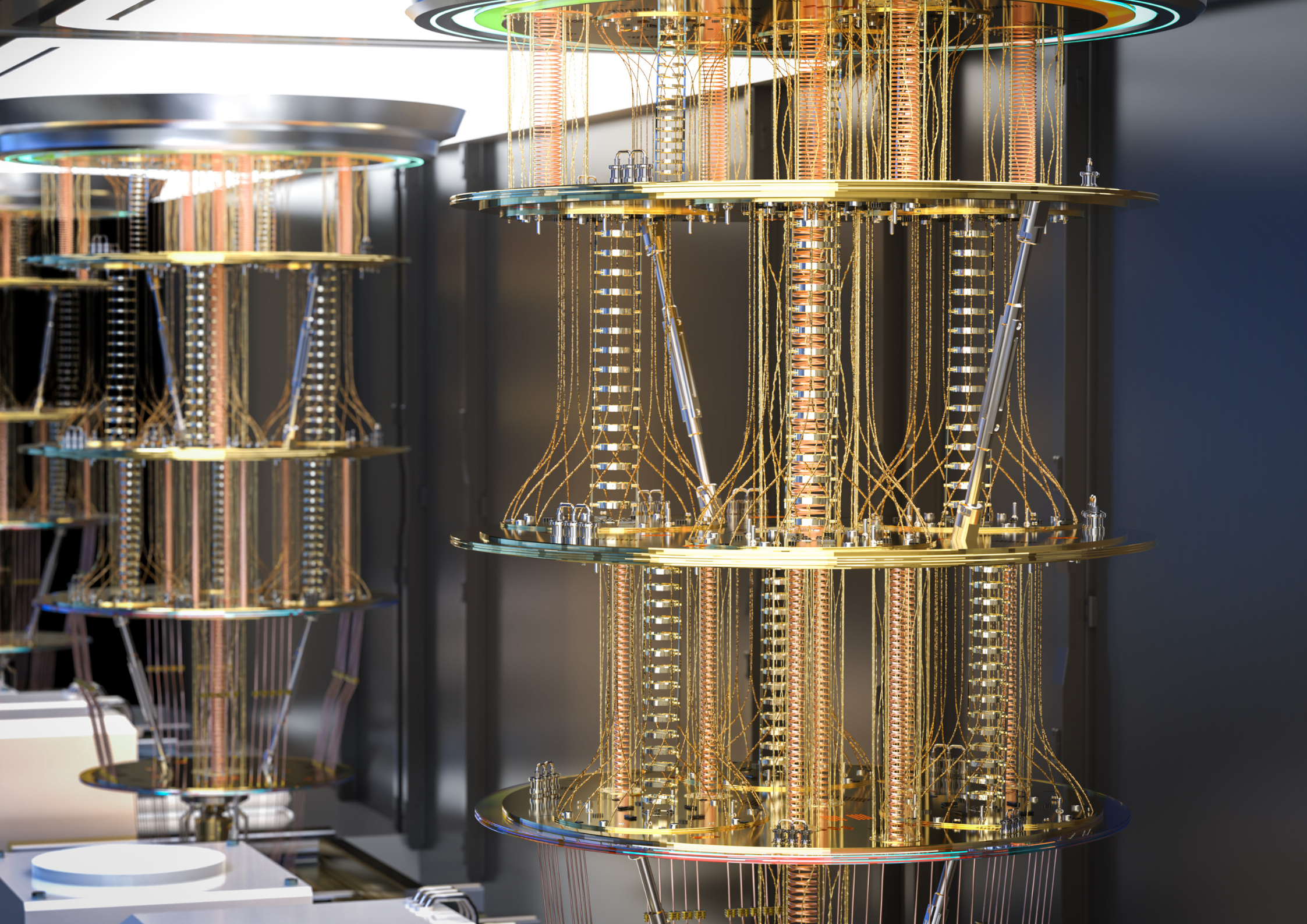
NIST will invest an initial $20 million in a new center focused on overcoming manufacturing barriers affecting scalable quantum components and systems.
The U.S. Department of Commerce's National Institute of Standards and Technology has agreed to invest an initial $20 million in a new center intended to move quantum technologies from research toward large-scale manufacturing.
SRI International, a nonprofit research and development organization, will establish the Quantum Manufacturing Engineering Center, known as QMEC.
The center will focus on engineering and production challenges affecting scalable quantum components and systems. Its work is expected to include supporting technologies such as specialized cooling equipment and lasers, which are needed to control the sensitive environments in which quantum devices operate.
NIST says the partnership will bring researchers, manufacturers and technology companies together to improve commercial readiness and address barriers preventing quantum systems from being produced reliably at scale.
Center targets the gap between laboratory research and production
Quantum technologies use the behavior of matter at very small scales to perform tasks that are difficult or impossible for conventional systems.
Potential applications include quantum computing, highly sensitive measurement devices, secure communications, encryption and biomedical technologies. However, building working prototypes is different from manufacturing components consistently, affordably and in sufficient numbers for wider adoption.
Quantum devices can depend on tightly controlled temperatures, precise lasers, specialist materials and components that operate with very little interference from their surroundings. Even small variations in production can affect performance.
QMEC will focus on the engineering processes needed to turn those systems into manufacturable products rather than funding fundamental quantum science alone.
Paul Dabbar, Deputy Secretary of Commerce, says: "Quantum science promises to generate new knowledge and technologies that will supercharge scientific research and unlock enormous economic potential."
He adds: "The new Quantum Manufacturing Engineering Center will bring together top experts to ensure both continued U.S. leadership in quantum technologies and that we are the epicenter of manufacturing quantum systems at scale to drive advances in sensing, communications, encryption, computing, biomedicine and other critical areas."
NIST identifies specialized cryogenics and lasers as examples of enabling technologies the center could advance. Cryogenic systems keep some quantum hardware at extremely low temperatures to reduce noise that can disrupt calculations or measurements.
NIST and SRI extend earlier quantum partnership
QMEC builds on work between NIST and SRI International that began in 2019 with the creation of the Quantum Economic Development Consortium.
The consortium was established following the National Quantum Initiative Act and now includes major U.S. quantum technology developers alongside organizations that may use their systems.
NIST says discussions with consortium participants and quantum companies identified manufacturing engineering as a gap in the development of a commercial U.S. quantum industry.
SRI International will use its experience moving emerging technologies into commercial settings to establish the new center. NIST expects QMEC to support research and engineering projects, remove manufacturing barriers and demonstrate whether technologies can be adopted by customers.
Arvind Raman, Under Secretary of Commerce for Standards and Technology and NIST Director, says: "NIST is a world leader in quantum science and technology based on decades of fundamental research that helped launch the U.S. quantum industry."
He adds: "This public-private partnership with SRI International will accelerate the development of America's quantum industrial base, the foundation upon which the quantum revolution is being built."
Center supports wider U.S. quantum strategy
The agreement follows a June 22 executive order calling for stronger research and development pathways for quantum-enabling technologies and the removal of manufacturing obstacles.
NIST says QMEC will support the executive order's focus on quantum sensing and quantum sensor manufacturing while also contributing to other areas of quantum technology.
The center is also part of NIST's Strategy for American Technology Leadership in the 21st Century, which covers the movement of critical technologies from development into adoption through partnerships with U.S. industry.
NIST plans to use similar research and industry collaborations across areas including artificial intelligence, biotechnology and quantum information science.
The $20 million is described as an initial investment. SRI International will now establish the Quantum Manufacturing Engineering Center and begin developing its research and industry activities.