MIT and Carnegie Mellon join CSET and Purdue to expand AGORA AI policy archive
The public archive contains more than 1,000 AI-related laws, regulations and standards, while the new research teams will focus on expanding coverage and document processing

CSET is expanding the university collaboration behind AGORA, its public archive of AI laws, regulations and governance standards.
The Center for Security and Emerging Technology (CSET) is expanding the research partnership behind its AGORA AI policy archive, adding teams from the Massachusetts Institute of Technology and Carnegie Mellon University to its existing work with Purdue University.
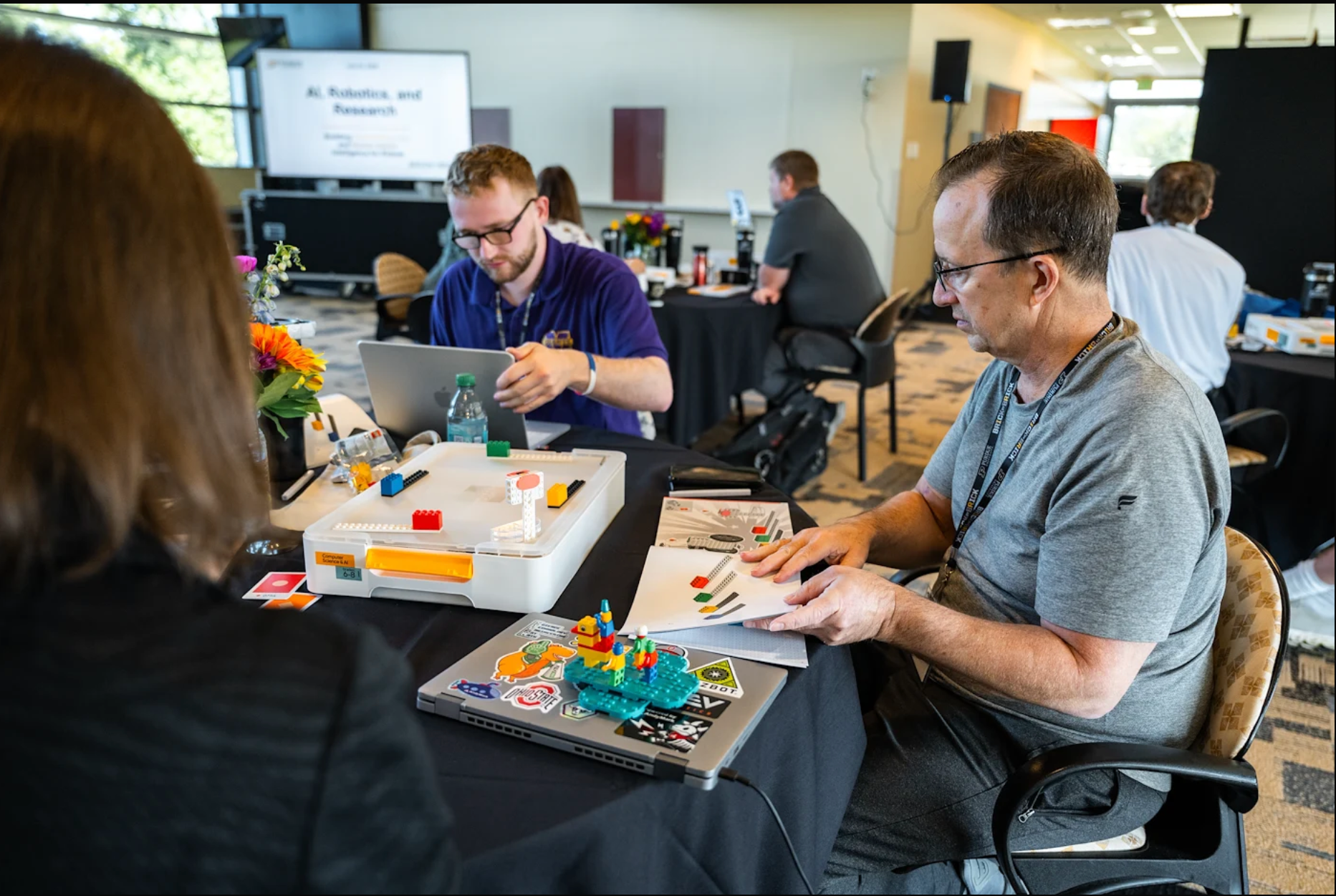
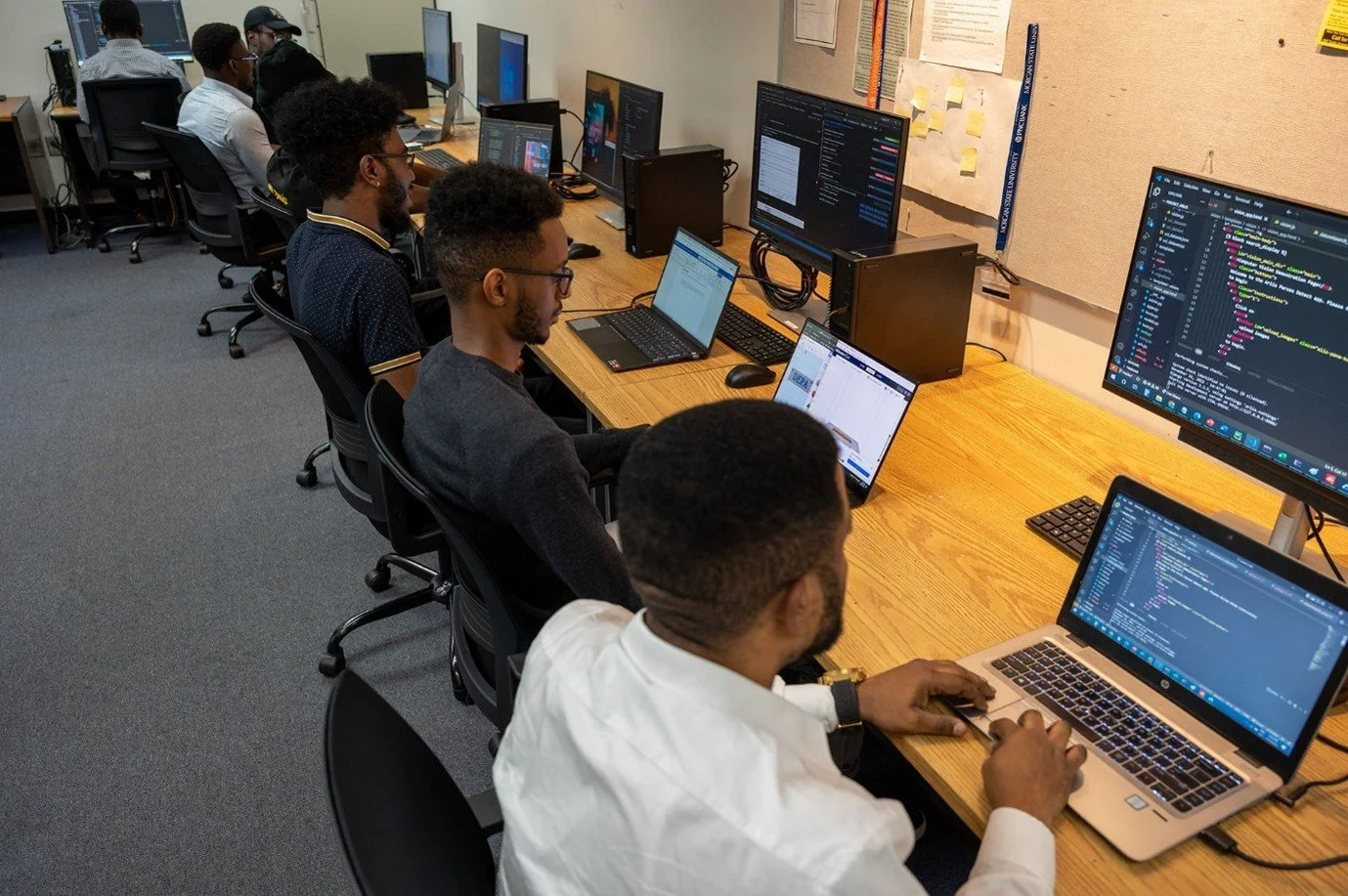
MIT’s AI Risk Initiative and Carnegie Mellon’s EncyclopAIdia team will join Purdue University’s Governance and Responsible AI Lab (GRAIL) in sourcing, screening and annotating governance documents from the United States and around the world.
The archive itself is not new. Launched in 2024, AGORA, or the AI Governance and Regulatory Archive, is a publicly available collection of more than 1,000 AI-related laws, regulations and standards. The practical change is an expanded group of university researchers working on its coverage and document processing.
AGORA sits within CSET’s Emerging Technology Observatory. Its interface provides plain-English summaries, metadata, thematic tags and filters, as well as full text for hundreds of AI-focused laws and policies. CSET says new material is added continuously and that researchers, practitioners and policymakers in the United States, the European Union and elsewhere have used the resource.
CSET will continue to host AGORA’s interface and data infrastructure. The three university teams will contribute to document sourcing, screening and annotation, with the stated aims of increasing coverage, accelerating processing and improving usability. They also plan to publish analysis and tools using the archive.
“I’m excited these teams are coming together to ensure AGORA is a sustained and useful resource for researchers, policymakers, and journalists shaping how AI is implemented and governed,” says Catherine Aiken, Director of Data Science and Research at CSET.
Daniel Schiff, Co-Director of GRAIL and Assistant Professor of Technology Policy at Purdue University, says the project has generated a community of students and researchers. He frames the expanded collaboration around the archive’s international scope: “We’ll be able to provide stronger tools, richer insights, and better coverage of more types of documents from around the world.”
A Schmidt-funded workshop will take place in Washington, D.C., next month to demonstrate AGORA and support wider community engagement.