Researchers describe testing more ideas and spending less time writing code, but uncertainty and redacted evidence limit the assessment’s conclusions
METR’s assessment examines whether AI is accelerating research and development at Anthropic
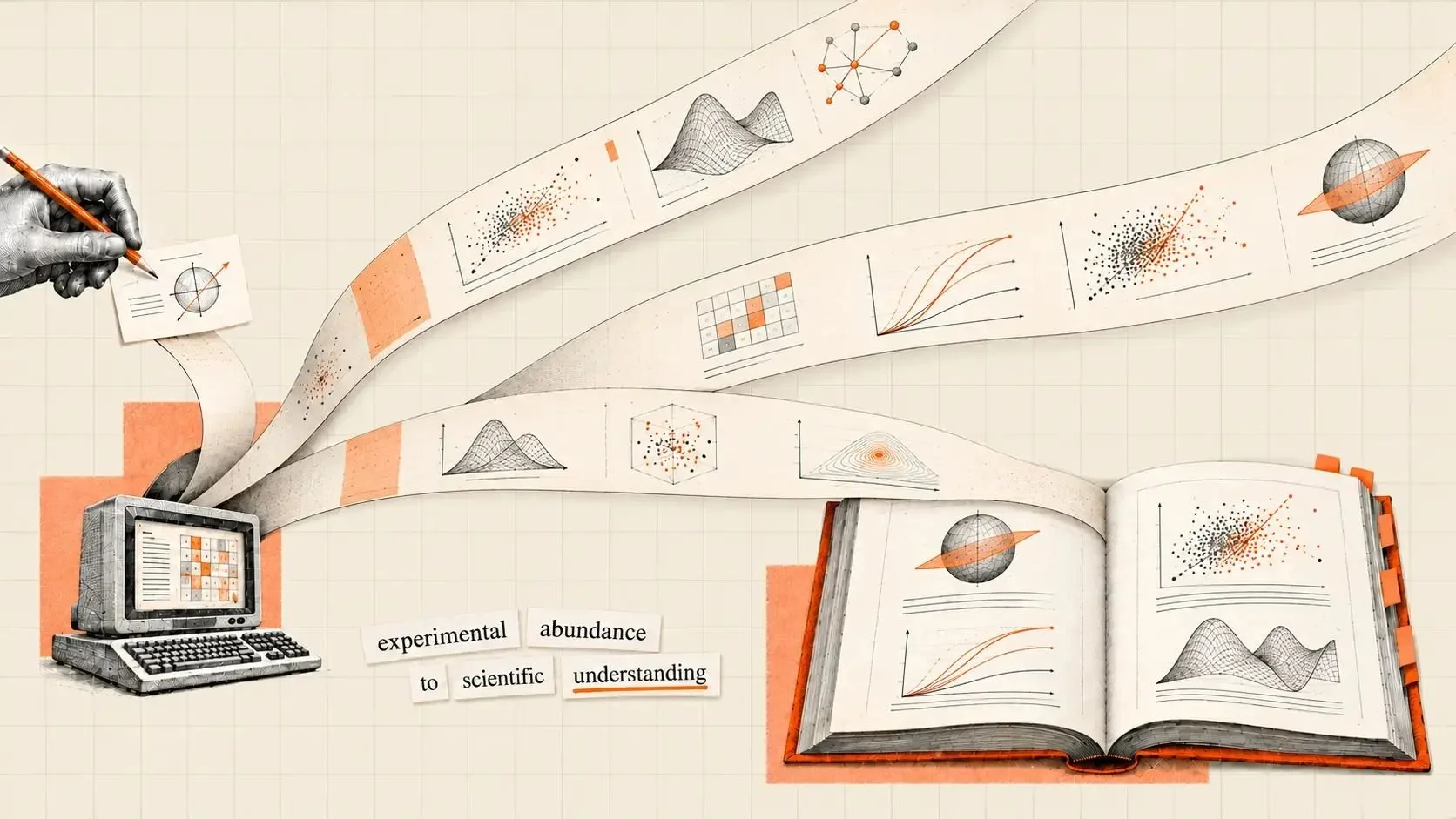
Anthropic may now be making roughly two years of progress in one on clearly defined AI tasks, according to METR, which believes the company’s use of AI is helping researchers build more capable models faster.
The assessment examines a potential feedback loop: researchers use AI to improve the next generation of AI, which can then provide more capable assistance with further development.
The report draws on 11 weeks of access to Anthropic’s internal research data and staff. METR estimates that, by October 2026, progress was running at roughly twice the company’s pace between March 2024 and October 2025.
That judgment comes with substantial uncertainty. Anthropic also redacted a majority of the evidence METR found most informative, leaving the public unable to examine much of the material behind its conclusions.
More ideas, less time writing code
Researchers interviewed for the assessment describe using AI to turn ideas into experiments more quickly and explore approaches they previously might not have had time to try.
One Anthropic researcher quoted in METR’s interview notes describes the change: “Now only bottlenecked on ideas & compute, no longer bottlenecked on code.”
Another says: “I feel like I have postdocs and grad students, and we are working towards a larger project.”
METR says the gains primarily involve AI assisting human researchers. Fully autonomous research, in which AI independently makes substantial contributions to model development, is not yet a major source of overall progress.
However, researchers described early signs of more independent contributions in parts of the development process.
How much of the acceleration comes from AI remains unresolved. Anthropic staff disagreed, and METR did not find decisive evidence establishing AI’s contribution. Hiring and other factors likely played a substantial role in late 2025.
By October 2026, METR judges that AI probably accounted for most of the current acceleration. Interviews and staff surveys support that view, although the report treats informal productivity polls cautiously: respondents may not represent the wider workforce, and people’s estimates of their own gains can overstate the actual improvement.
How METR measured the faster progress
To assess whether models were improving faster, METR examined an index combining results from tests of what AI systems can do.
Anthropic’s version of the Epoch Capabilities Index showed benchmark performance improving at an estimated 1.9 times its pre-October 2025 rate. The analysis includes recent models that have not been publicly released, giving assessors information beyond the performance of products customers can currently use.
METR’s broader judgment of roughly twice the pace also incorporates private evidence. It says it would not be surprised if the true rate were between 1.3 and three times the historical pace.
The report identifies several reasons that estimate could be too high or too low.
Clearly structured tests may not capture how models perform on less predictable work. Anthropic’s earlier progress was also slower than the wider industry frontier, potentially making its subsequent acceleration appear larger. Conversely, model test results arrive after research and training, so they may lag more recent changes.
METR warns that “acceleration in AECI may not map cleanly to acceleration in real-world impact.”
The assessors say faster growth in training computing resources did not explain the acceleration, although the supporting details were redacted.
They also found no clear constraints involving algorithms, computing resources or data that would prevent further rapid progress over the following 12 months. Their understanding changed repeatedly as more information arrived, and METR acknowledges that it may have missed important limits.
Much of the evidence remains private
METR delivered an approximately 100-page full report to Anthropic before preparing the public version.
Anthropic describes its redactions as “aimed at removing confidential information that could accelerate other AI developers.” METR agrees that the withheld material fits that description, while declining to judge whether the redactions were justified overall.
The omissions include detailed estimates of algorithmic progress, parts of the evidence linking progress to AI use, and analysis of specific constraints on future development.
Access was extensive but depended on requests for documents and data. Assessors could not freely search Anthropic’s internal systems, creating a risk that they missed information they did not know existed. This work was separate from the “employee-like access” assessment Anthropic announced in October.
Anthropic also canceled a planned examination of how it allocated computing resources between capabilities and safety before METR reached substantive conclusions. The company said it wanted to focus the engagement on risk assessment and would revisit that work later.
METR received no payment from Anthropic, which supplied devices and free AI tokens. It disclosed that one assessor held equity in a competitor and discussed a possible Anthropic role before declining an offer. A colleague without those conflicts checked that person’s work.
The report also acknowledges extensive use of Claude in the assessment’s own analysis. METR says checks against human interviews did not reveal discrepancies consistent with systematic bias.
Announcing the findings, METR said: “As a consequence, the public must rely on our judgment more than we consider ideal.”
ETIH Innovation Awards 2027 open for entries
The ETIH Innovation Awards 2027 are now open for entries, with 26 categories recognising companies, institutions, projects and individuals making a measurable impact across education technology. The global awards span AI in education, digital learning, higher education, skills and workforce, inclusion, education operations, evidence and impact, with entries managed through ETIH’s new online awards platform.
Entries are open worldwide, with the early-bird deadline on Friday 18 December 2026 and the final entry deadline on Friday 26 February 2027 at 23:59 UK time.
Explore the 2027 categories and judging criteria, read the How to Enter guide or start an entry through the ETIH Innovation Awards 2027 platform.