Joint appointments will strengthen research and AI literacy across disciplines, while the next hiring round targets materials, health and the foundations of AI
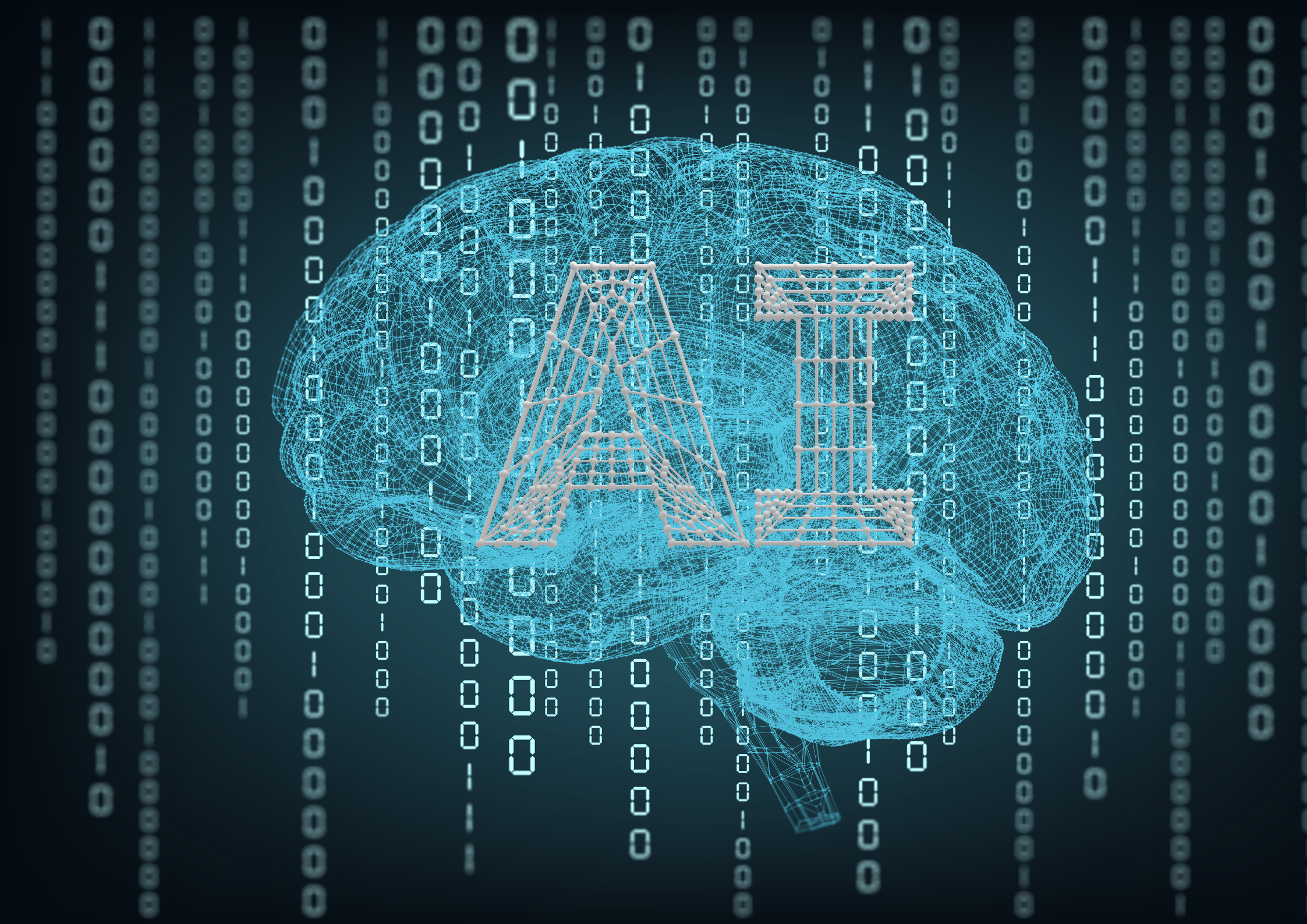
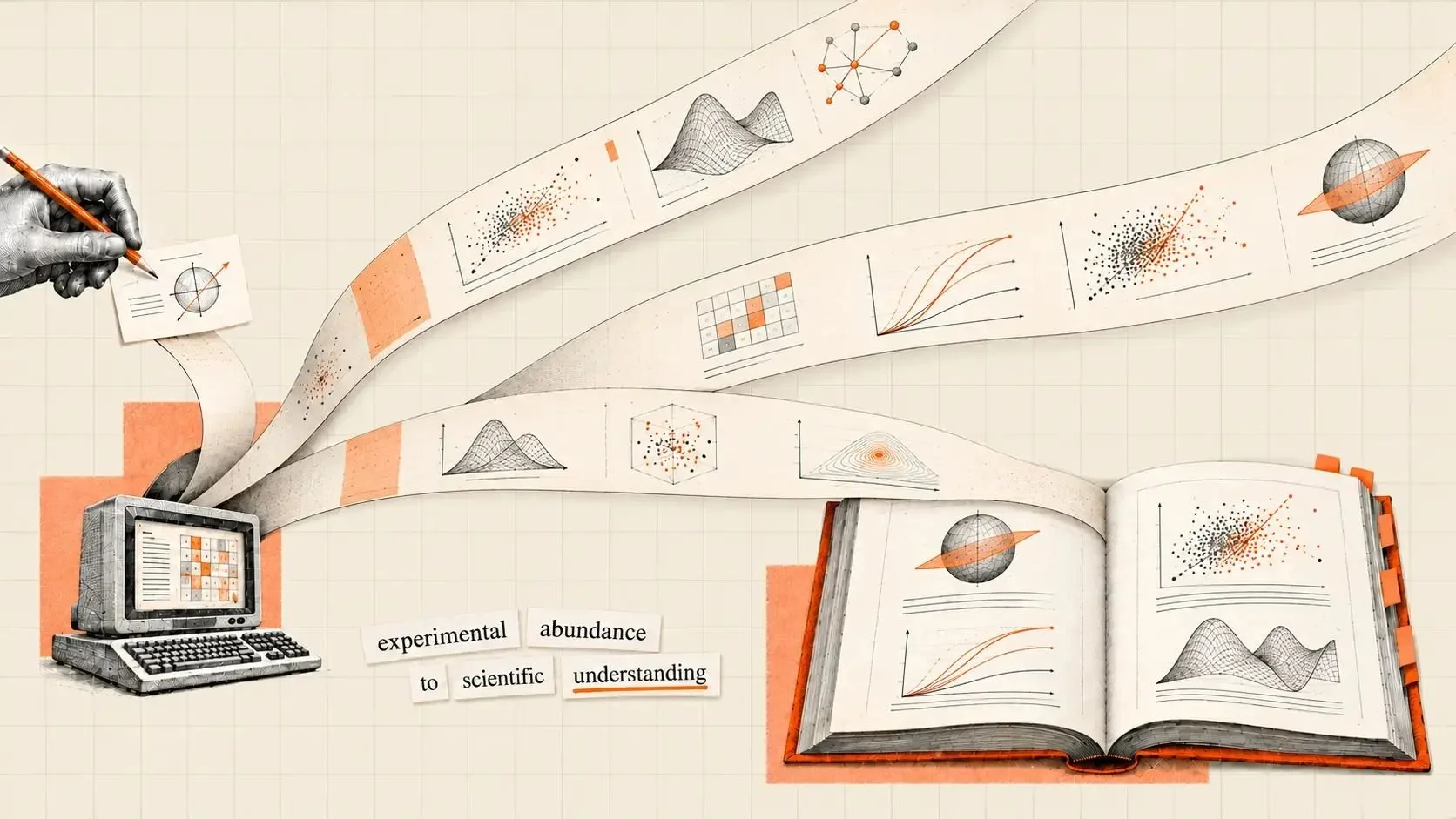
Penn State’s 26 joint faculty appointments will support AI research, education and literacy across disciplines and campuses. Illustrative image: supplied
Penn State’s Institute for Computational and Data Sciences has appointed 26 faculty members to joint roles supporting AI research, education and literacy, as the university recruits for the second year of its multi-year AI hiring initiative.
The appointments span the University Park and Harrisburg campuses. Each faculty member holds a role within their home department, college or campus alongside their appointment to the Institute for Computational and Data Sciences, known as ICDS.
The cohort joins an existing group of more than 30 ICDS joint appointees, expanding the network of researchers working across subject boundaries.
Fotis Sotiropoulos, Executive Vice President and Provost at Penn State, discussed the initiative on LinkedIn: “Building an AI-ready Penn State begins with investing in people.”
Connecting AI expertise across subjects and campuses
The 26 appointments bring together faculty through several routes, including the university’s AI recruitment initiative, a collaboration between campuses and appointments aligning existing researchers with ICDS priorities.
Their disciplines extend beyond computing and engineering to include music, meteorology, statistics, business and communications.
Part of the cohort forms a “Capital Group,” connecting Penn State Harrisburg, the College of Medicine in Hershey, Penn State Dickinson Law and the Clinical and Translational Science Institute. The group will help researchers collaborate across campuses and professional fields.
Research priorities include advancing the underlying methods that power AI, applying the technology to scientific and engineering challenges, improving healthcare for rural populations, and examining AI’s implications for leadership and policy.
Guido Cervone, Director of ICDS, said: “At ICDS, we are in a unique position to collaborate with different units, disciplines and institutes who may not have as much access to AI education, research or resources to bring in new faculty who are advancing AI, developing new systems or using the technologies in ways we haven’t seen before.”
Supercomputing and faculty development support the work
ICDS provides access to Penn State’s Roar supercomputer, giving researchers computing resources for demanding projects. It also funds faculty and student work through its Rising Researchers and Faculty Upskilling opportunities.
The appointments will support efforts to expand ethical AI literacy and education, alongside collaborative research seeking external funding.
ICDS also works with Vasant Honavar, Vice Provost for AI, on research accelerated by the technology. The wider effort connects recruitment with the infrastructure and professional development needed to use AI across the university.
Next hiring round focuses on materials, health and core AI research
Penn State is accepting applications for multiple tenured or tenure-track faculty positions across its campuses in the second year of the initiative.
The current recruitment round focuses on AI and materials, AI and health, and the foundations of AI. Applications are being reviewed immediately, with submissions requested by December 7, 2026, for full consideration.
Sotiropoulos outlined the wider ambition on LinkedIn: “Our vision is ambitious: advance the foundations of AI, accelerate discovery across fields, and prepare our students to use these technologies with confidence, sound judgment and ethical purpose.”
ETIH Innovation Awards 2027 open for entries
The ETIH Innovation Awards 2027 are now open for entries, with 26 categories recognising companies, institutions, projects and individuals making a measurable impact across education technology. The global awards span AI in education, digital learning, higher education, skills and workforce, inclusion, education operations, evidence and impact, with entries managed through ETIH’s new online awards platform.
Entries are open worldwide, with the early-bird deadline on Friday 18 December 2026 and the final entry deadline on Friday 26 February 2027 at 23:59 UK time.
Explore the 2027 categories and judging criteria, read the How to Enter guide or start an entry through the ETIH Innovation Awards 2027 platform.