The technology services company is connecting workforce training with a dedicated group focused on software development, application modernization and customer operations
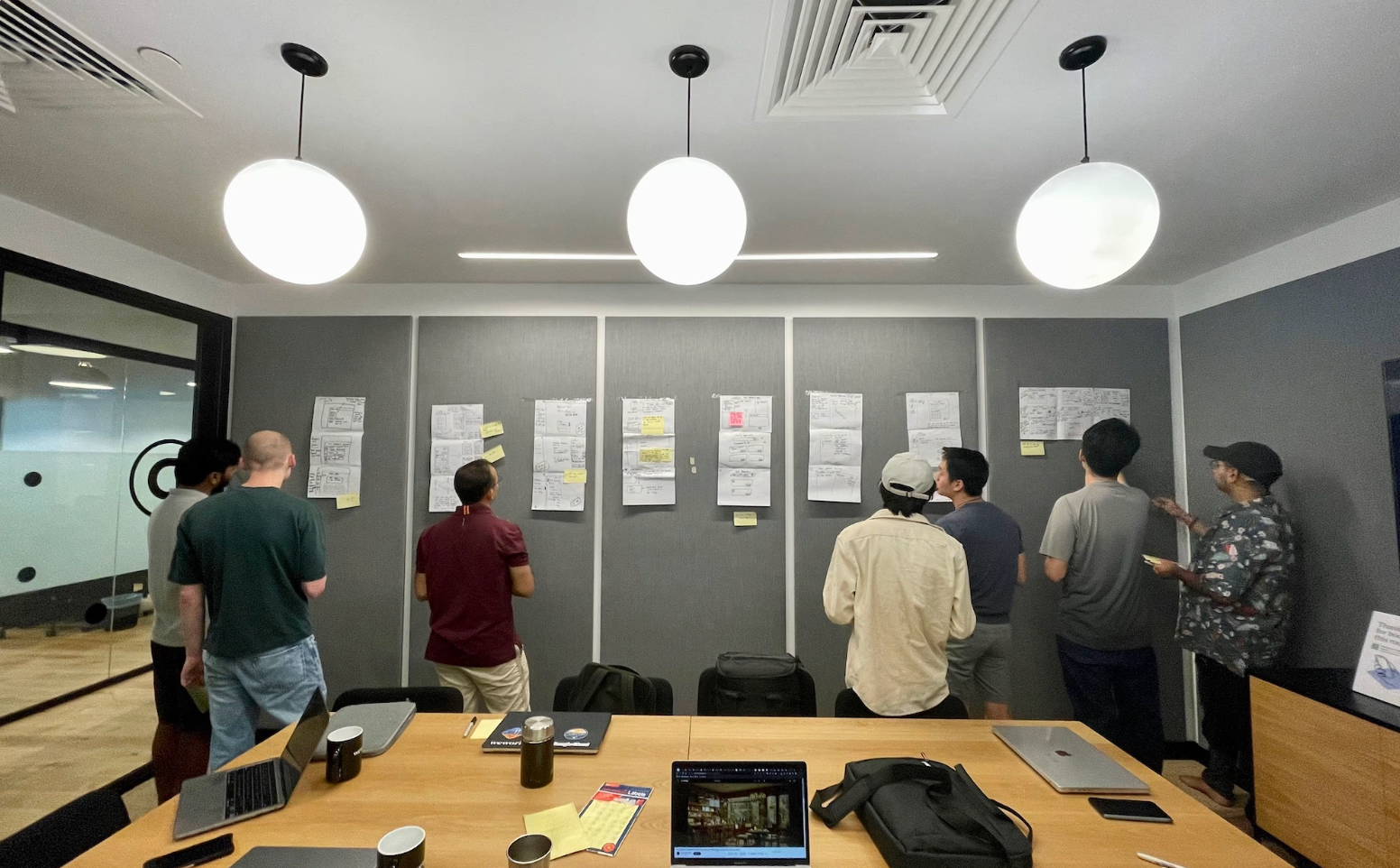
Cognizant’s OpenAI delivery group brings together more than 25,000 professionals to help businesses deploy AI across software development and daily operations. Illustrative image: supplied
Cognizant has formed an OpenAI Frontier Capability Group bringing together more than 25,000 professionals to build and support systems using products including ChatGPT and Codex for enterprise clients.
The group will initially concentrate on software engineering, updating older business applications and introducing AI agents into sales, service and support. AI agents can use tools and carry out tasks across connected systems.
The initiative draws on a wider training effort at Cognizant, where more than 21,000 employees have earned over 40,000 OpenAI badges for completing learning tracks on OpenAI technologies.
Turning AI training into client delivery
Cognizant is organizing its OpenAI expertise into a global delivery group responsible for helping businesses put the technology into operation.
The work is expected to draw on its Frontier workforce model, which develops Frontier Certified Engineers and Frontier Business Operators with credentials awarded directly by advanced AI model providers.
These roles combine technical skills with an understanding of how businesses operate. Engineers help redesign processes around AI, while business operators manage the resulting work across people, AI agents and automation.
Cognizant’s SkillSpring training platform supports the development of these roles through learning paths covering AI fluency, process design, data interpretation and operational leadership.
The company has also used practical events to develop experience with OpenAI’s coding tools. Its Codex hackathons in India and the Americas brought together more than 12,000 participants.
Software engineering and older systems are early priorities
Codex will support the group’s software engineering work, helping developers write, test and release code.
For application modernization, Cognizant will use its OpenAI-powered Application Modernizer to analyze older mainframe software and generate code designed for cloud environments. Mainframes are large computing systems that many organizations continue to use for critical business operations.
Engineers will review every consequential decision in that process. Cognizant brings experience modernizing mainframe systems for more than 500 clients.
The customer operations work will apply OpenAI models to sales, service and support, drawing on approaches already used within Cognizant’s own business.
Internal deployment shapes work with clients
Cognizant’s sales and customer success teams already use a system built on OpenAI models to identify and pursue business opportunities.
Ksenia Chumachenko, who works in Partnerships at OpenAI, discussed that approach on LinkedIn: “What makes this especially robust: Cognizant is putting OpenAI to work in its own operations first, then bringing those lessons to clients.”
One existing client project involves an enterprise assistant co-engineered for a global biopharmaceutical company. It combines search, content creation, translation and approvals in one place.
The assistant has handled more than five million conversations and reduced content creation time by 60%, according to Cognizant.
Cognizant is an Advanced partner in the OpenAI Partner Network. The new group gives the partnership a dedicated organization for delivering and supporting client systems.
Ravi Kumar S, CEO of Cognizant, said: “With Codex and ChatGPT, OpenAI is changing both at once. We are committing more than 25,000 of our people to bring that change inside our clients' businesses. We started with our own, and OpenAI is beginning to reshape how we sell.”
ETIH Innovation Awards 2027 open for entries
The ETIH Innovation Awards 2027 are now open for entries, with 26 categories recognising companies, institutions, projects and individuals making a measurable impact across education technology. The global awards span AI in education, digital learning, higher education, skills and workforce, inclusion, education operations, evidence and impact, with entries managed through ETIH’s new online awards platform.
Entries are open worldwide, with the early-bird deadline on Friday 18 December 2026 and the final entry deadline on Friday 26 February 2027 at 23:59 UK time.
Explore the 2027 categories and judging criteria, read the How to Enter guide or start an entry through the ETIH Innovation Awards 2027 platform.