Applications are open across five countries for free training, mentorship and the chance to secure production funding while retaining ownership of creative work
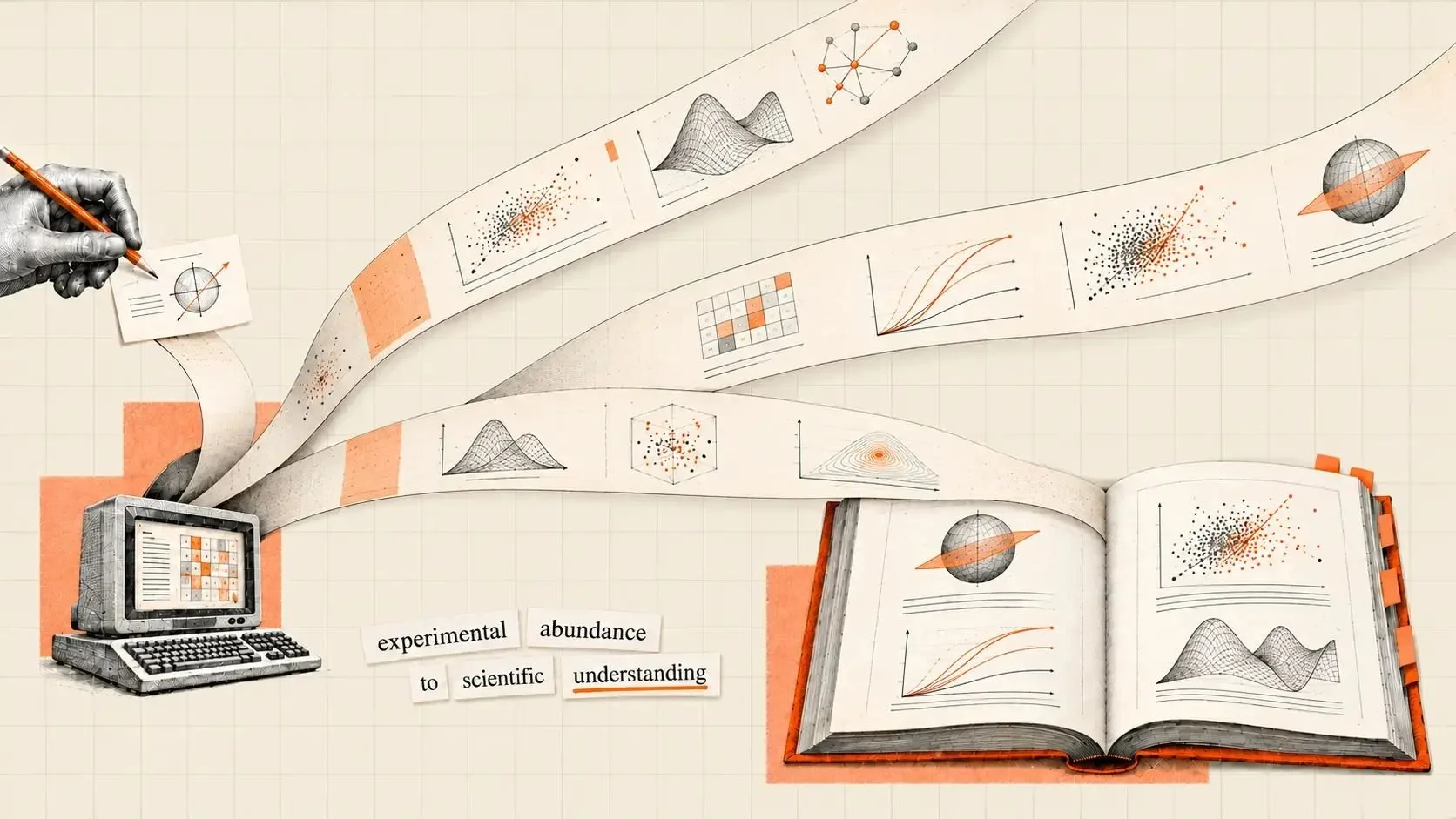
Akuna Learning’s partnership with Google and Curious Refuge offers free AI filmmaking training for creators in five African countries. Illustrative image: supplied
Idris Elba’s Akuna Learning is partnering with Google and Curious Refuge to offer African filmmakers free training in AI storytelling, with selected projects progressing to funded production.
The initiative, From Script to Screen with AI, is open to residents of Ghana, Kenya, Nigeria, Sierra Leone and South Africa. Applications close on November 15, 2026, with no application fee or tuition costs.
Participants will complete an online academy before graduates can submit film ideas for consideration. Shortlisted ideas will move into team formation, mentorship and pitching, with a selection receiving production funding.
Elba, Founder and Chairman of The Akuna Group, discussed the initiative on LinkedIn: “For me, this is about learning. This is about access to courses that help educate creators across the continent to tell their stories.”
Creative experience counts, but AI experience is not required
The program welcomes aspiring and emerging filmmakers, screenwriters, photographers, animators, designers, editors and other visual storytellers. Applicants do not need previous experience with AI tools, but must submit an example of creative work that demonstrates their ability and commitment.
Curious Refuge provides the filmmaking curriculum, with tailored mentorship through Akuna Learning. Participants begin with a shared foundation in AI filmmaking before specializing. The application lists fiction, documentary, animation, advertising and screenwriting as pathway options.
Applicants choose one preferred pathway, although placement is confirmed through the selection process.
The 12-week academy runs from January 25 to April 18, 2027. Delivery is online, with some opportunities to meet in person. Successful applicants will be notified through the application portal and email, with the final cohort confirmed on December 14, 2026.
Graduates pitch for funding and keep their intellectual property
Graduates receive certification and can submit a one-page project idea. Those whose ideas are shortlisted become team leads and assemble collaborators, primarily from fellow academy graduates.
Each team must include at least three graduates, including its lead, and a screenwriter, who may also be the team lead. Teams can bring in outside collaborators.
Shortlisted teams receive four weeks of mentorship and support from subject specialists to develop their pitches. Teams endorsed by mentors then present to panels drawn from Akuna, Google and the wider industry.
Production funding is competitive, and completing the academy does not guarantee a place on a team or a funded project. Graduates also receive an Akuna Stage profile, access to the alumni network and eligibility for future opportunities.
Creators retain the intellectual property in their work. Funded teams sign an agreement before receiving support, and the mentorship stage includes a session on intellectual property to help participants understand the terms.
Team formation, mentorship and pitching run from April 19 to July 11, 2027, with funded teams continuing production through October.
Applications require a work sample and a short introduction
Applicants must be at least 18 and physically resident in one of the five participating countries. They also need a laptop, reliable internet, consistent power and availability to participate fully.
The application requires a CV or professional profile, proof of identity, one example of creative work and a personal statement of up to 250 words. Applicants must also record a 60- to 90-second introduction video explaining who they are and a story they would like to explore.
Work samples do not need to involve AI or have been professionally produced. Film and other moving-image submissions can be up to three minutes long.
Applications are submitted through Akuna Learning’s online portal. A second intake is planned for 2027.
Elba said on LinkedIn: “I'm looking forward to seeing the stories they choose, and how the education leads to employment and self momentum, but helps shape the narrative of Africa.”
ETIH Innovation Awards 2027 open for entries
The ETIH Innovation Awards 2027 are now open for entries, with 26 categories recognising companies, institutions, projects and individuals making a measurable impact across education technology. The global awards span AI in education, digital learning, higher education, skills and workforce, inclusion, education operations, evidence and impact, with entries managed through ETIH’s new online awards platform.
Entries are open worldwide, with the early-bird deadline on Friday 18 December 2026 and the final entry deadline on Friday 26 February 2027 at 23:59 UK time.
Explore the 2027 categories and judging criteria, read the How to Enter guide or start an entry through the ETIH Innovation Awards 2027 platform.