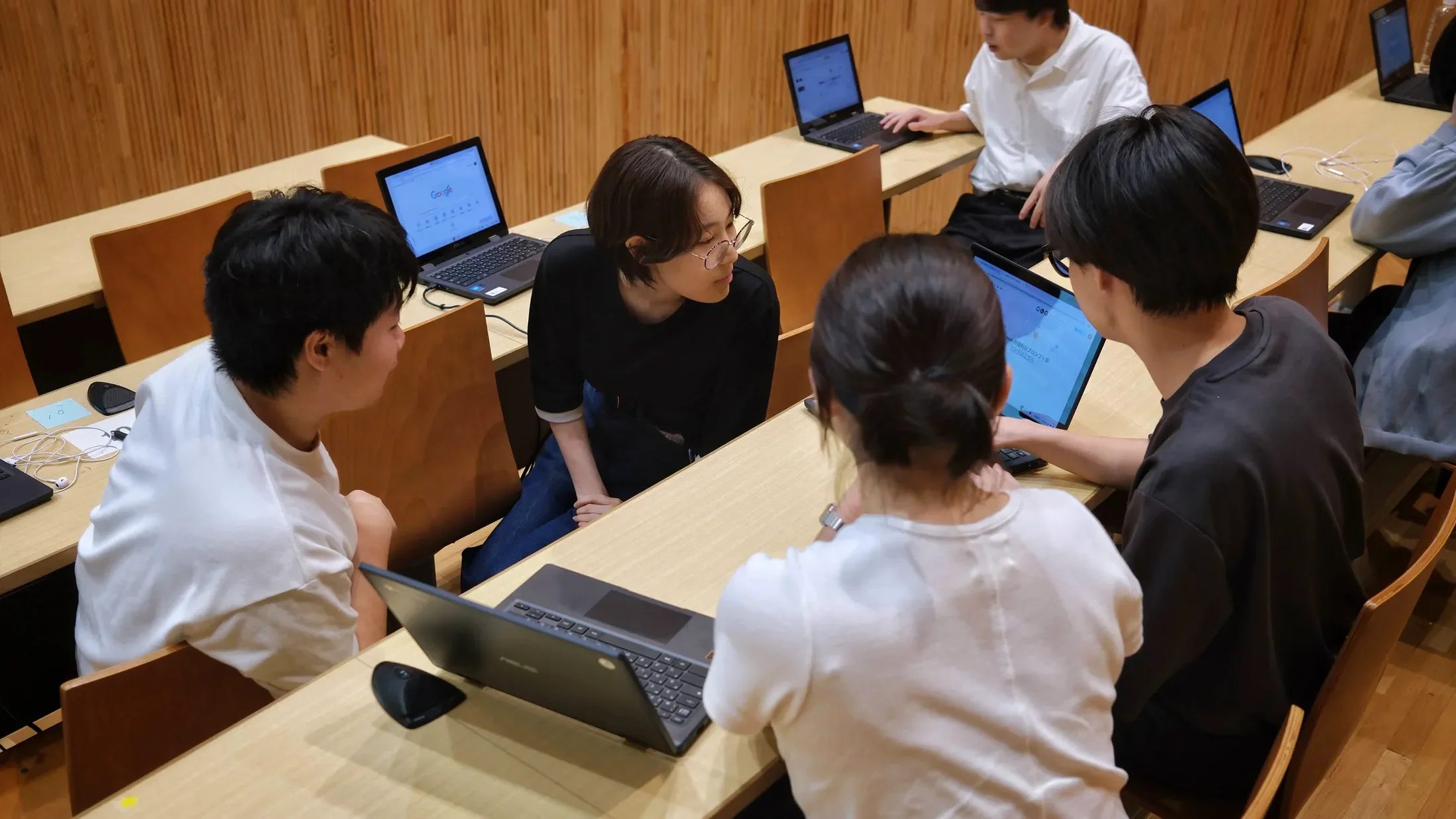
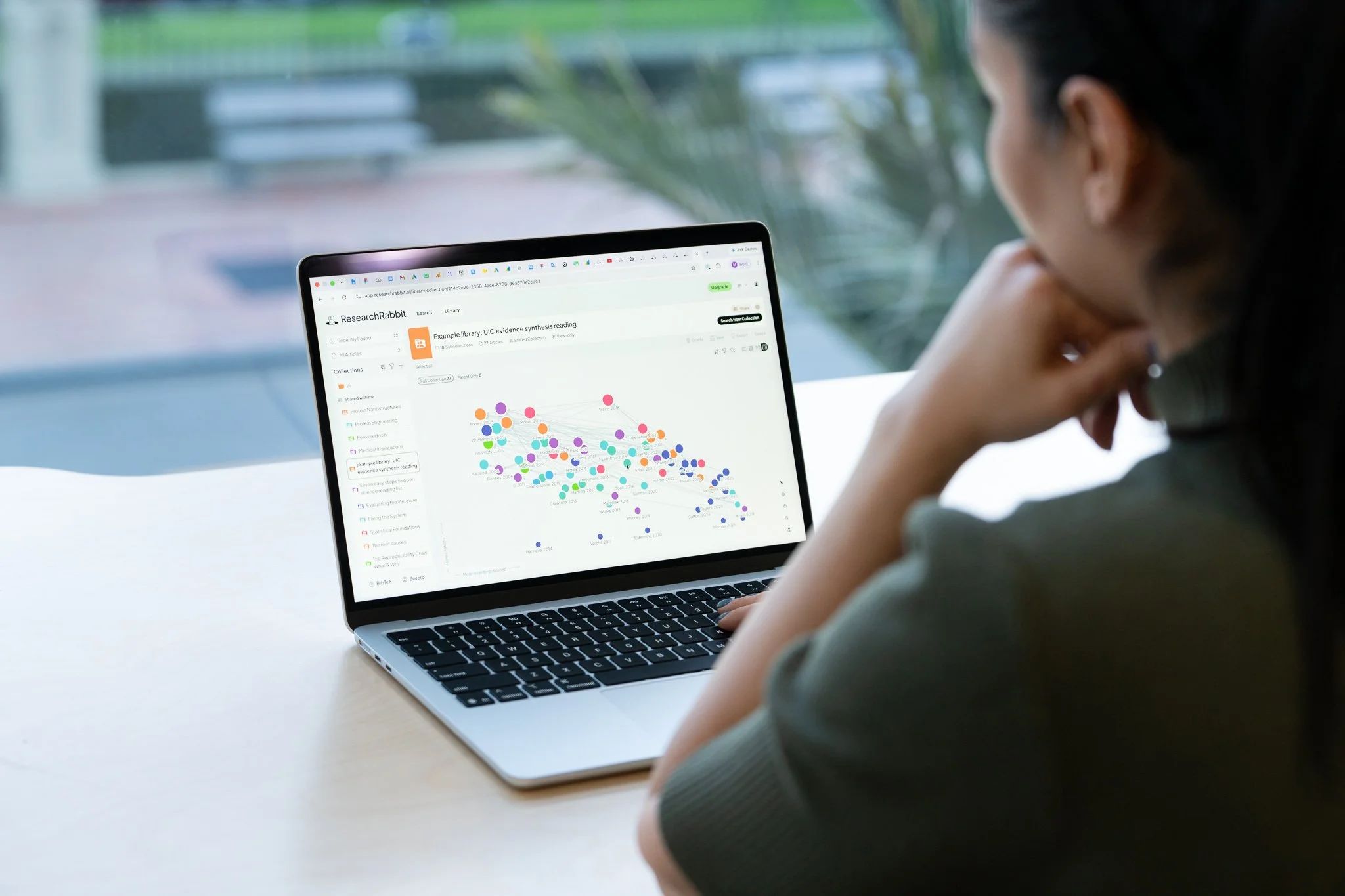
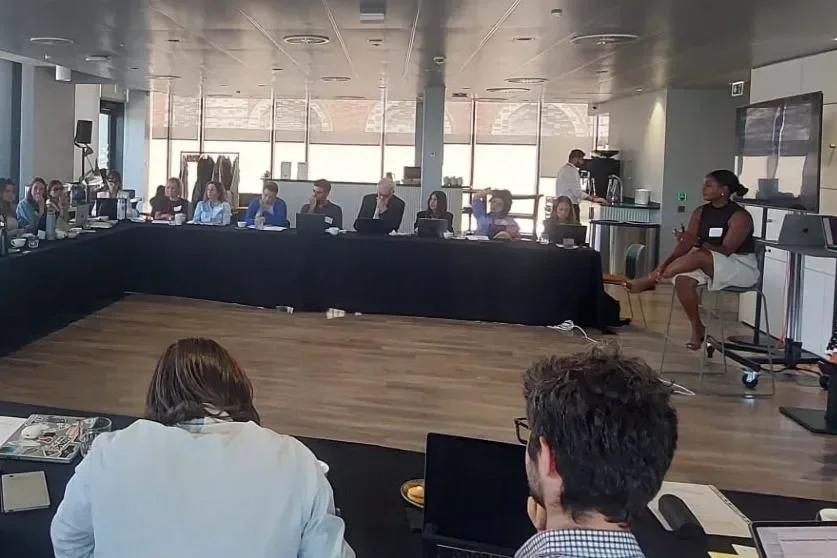
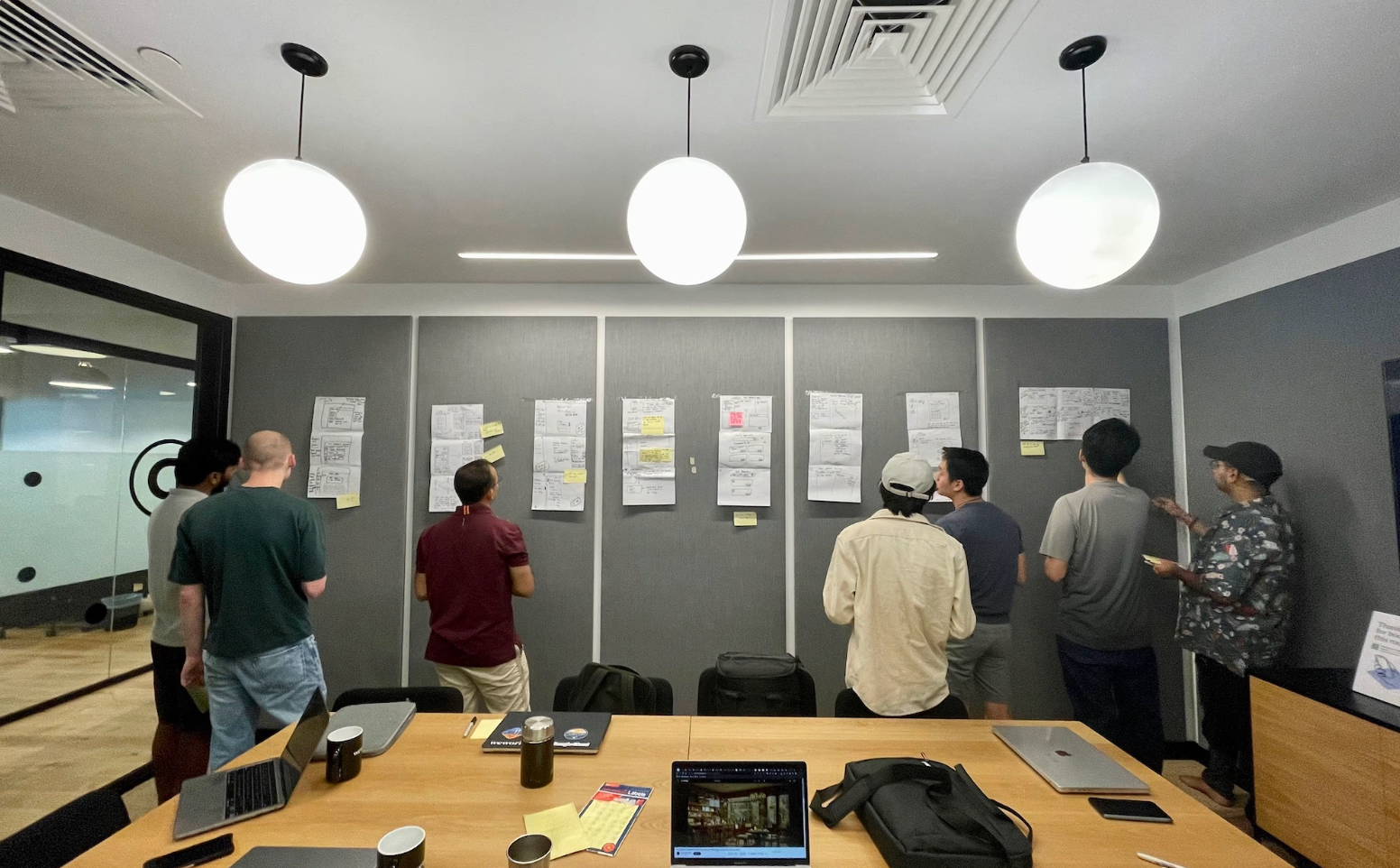
The Mountain View gathering showcased AI tools for scientific review, data analysis and classroom simulations, bringing together Google’s research teams and the wider research community
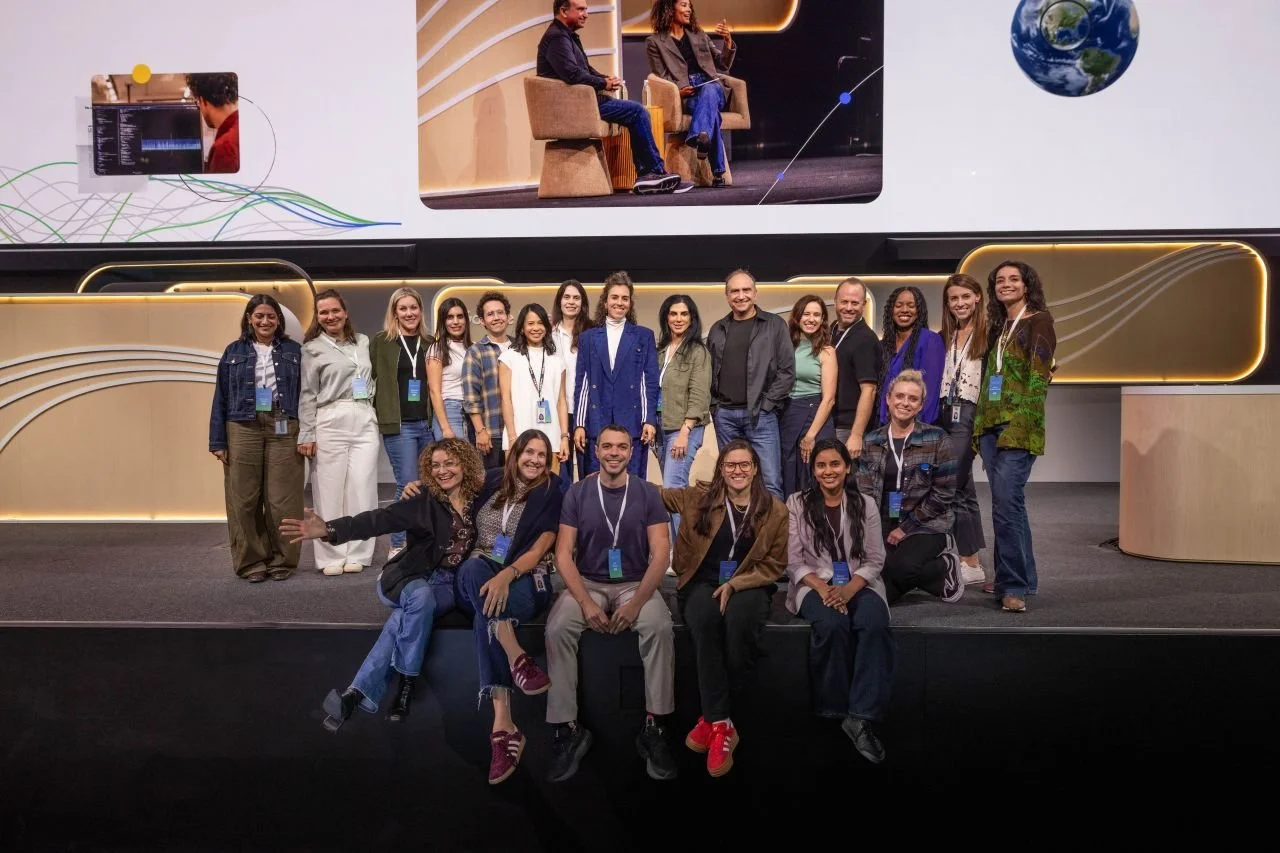
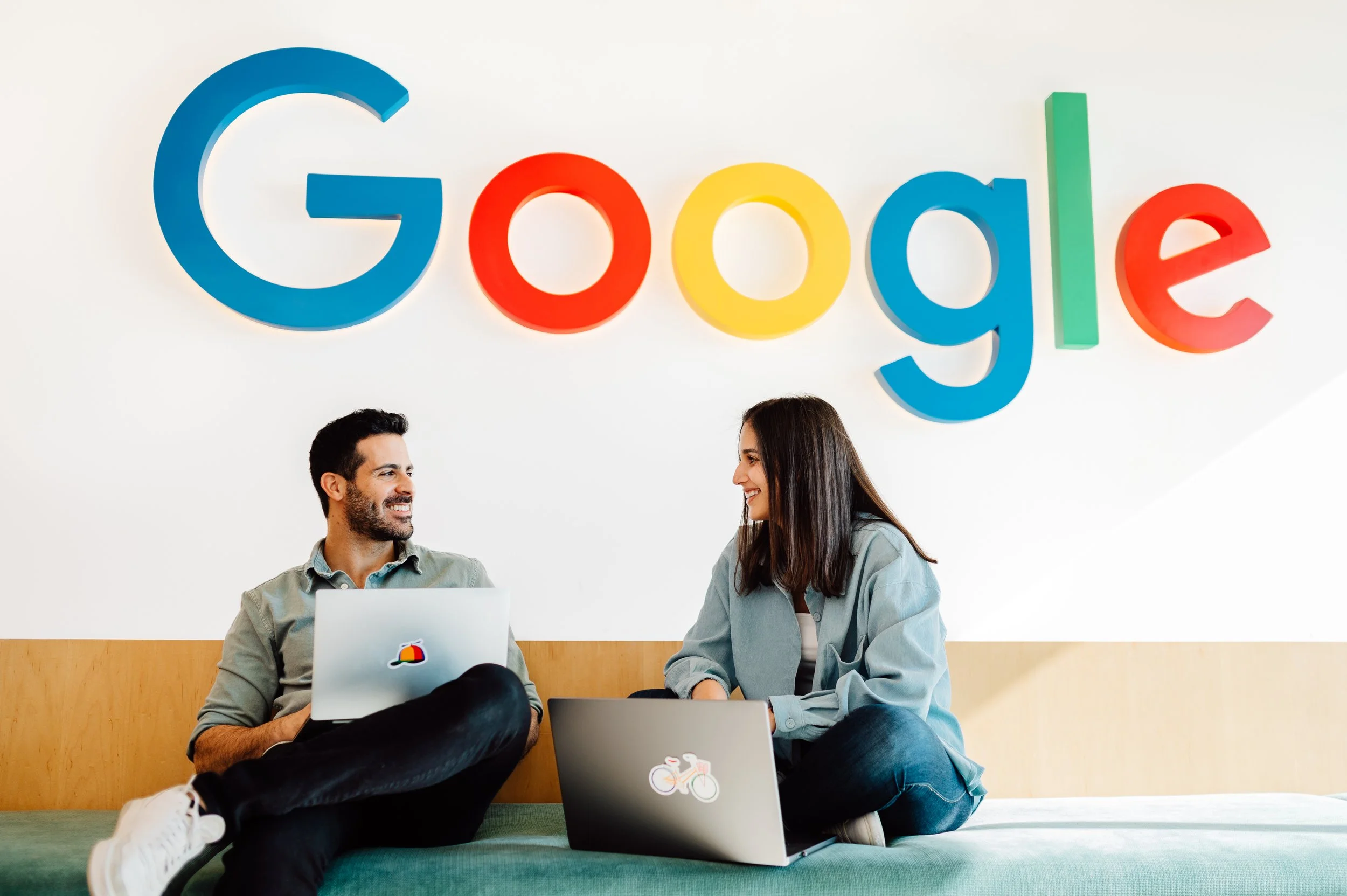
A team photograph shared by Ronit Levavi Morad accompanies ETIH’s coverage of Google’s Research Conference, the Research@ event series and AI tools for research and education.
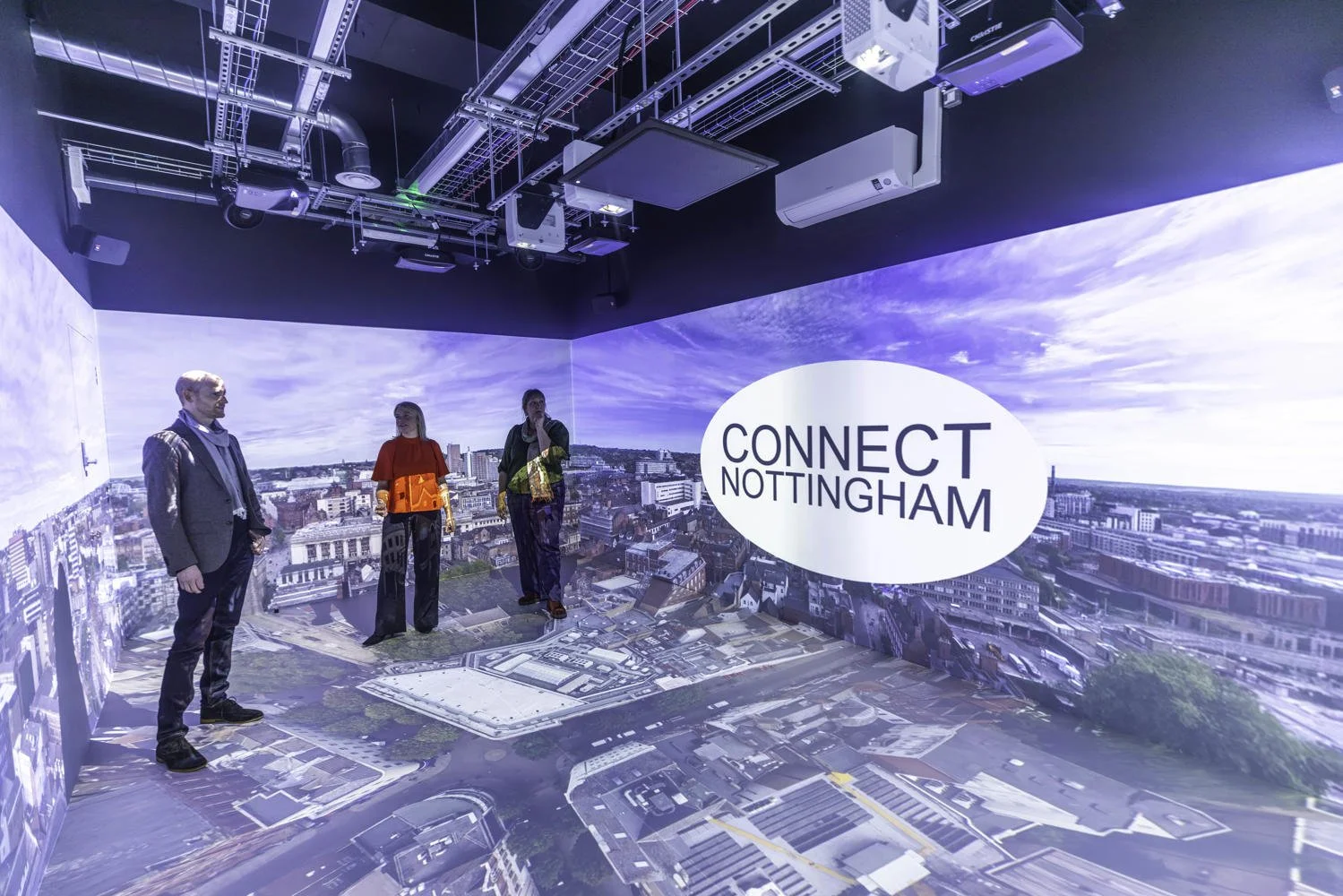
Google has integrated its flagship Research@ event into its annual Research Conference for the first time, as the series reaches 18 cities and connects researchers with local academic and creator communities around the world.
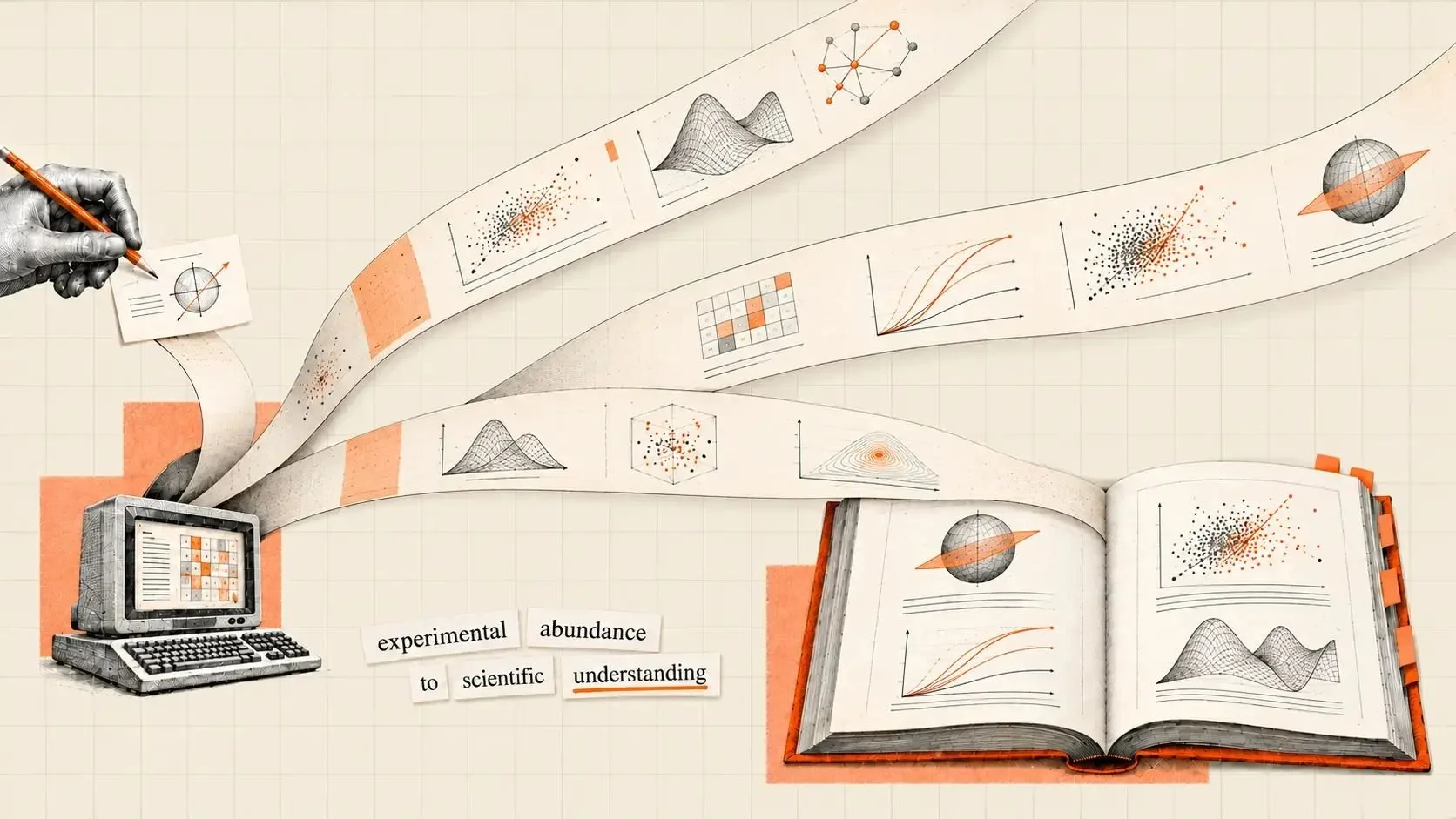
The Mountain View event featured work spanning scientific research and education, including Deep Review for checking technical documents and experimental tools that let teachers create interactive science and mathematics simulations.
Taylor Goddu, a Marketing and Strategy Leader in Google Research’s Office of the Chief of Staff, reflected on the series’ development on LinkedIn: “When we hosted our very first Google Research@ gathering, the vision was to create a space for researchers, by researchers.”
The series has since visited cities including London, Munich, Warsaw, Seoul, Tokyo, Singapore, São Paulo, Mexico City and New York. Goddu said the Mountain View gathering connected with thousands across the global research community.
Building connections across research communities
Each Research@ gathering has developed around its local community, giving researchers opportunities to exchange ideas, ask questions and explore work with people outside their immediate teams.
Goddu wrote: “The goal was to do something different every time, and each city brought its own energy: fresh perspectives, unexpected questions, and invaluable opportunities to listen and experiment alongside local research, academic, and creator communities.”
She highlighted a panel conducted across several languages using live translation as one of her favorite moments from the series.
Goddu credited Research@ Co-Creator Jen Schroeder with helping build and expand the events, and Allison Cullington and Marina Santalices Amigo with bringing the flagship gathering and annual conference together.
Tools for researchers and teachers
Among the tools showcased was Deep Review, an AI system that provides detailed feedback on complex documents, including checks on technical reasoning and supporting evidence.
The system developed from Google’s Paper Assistant Tool, which provided optional feedback to authors of more than 16,000 manuscripts through partnerships with four computer science conferences. That feedback was separate from the conferences’ official peer-review decisions.
Deep Review is now publicly available, with two complimentary document reviews per user each week. Its initial supported formats are PDF and plain text.
The event also highlighted TimesFM and TabFM, models designed to work with numerical information. TimesFM handles data that changes over time, such as demand or sales, while TabFM works with structured tables. Google says both are available to BigQuery users.
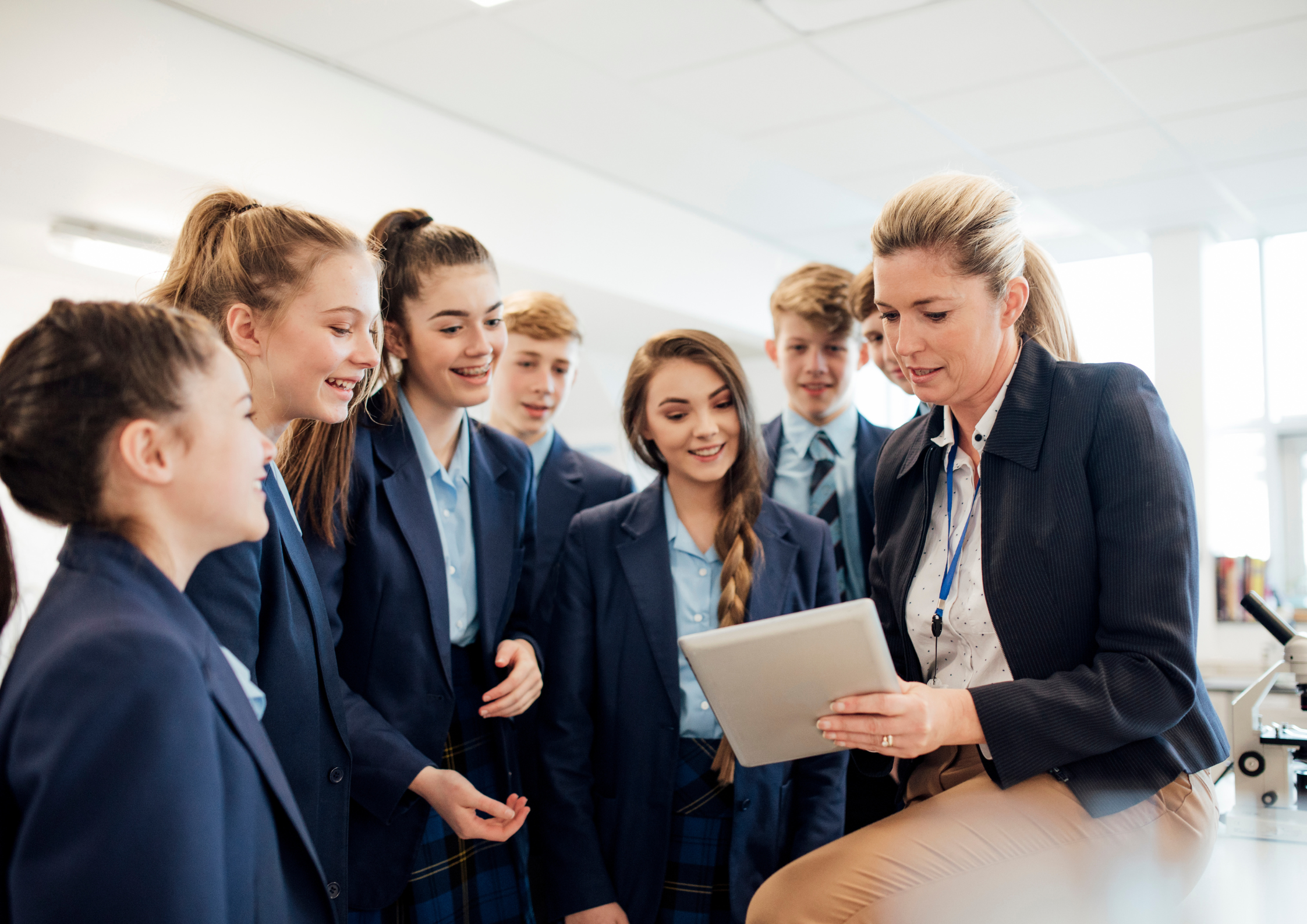
For education, Google presented research into AI-generated learning interactives. The experiment allows teachers to create guided science, technology, engineering and mathematics simulations tailored to their curriculum.
A sample library contains more than 30 teacher-vetted interactives covering middle and high school physics, chemistry, biology and mathematics. Schools can provide feedback through the Google for Education Pilot Program.
The teams behind the conference
Ronit Levavi Morad, a Senior Director at Google working in Research Strategy and Operations, also reflected on the annual conference on LinkedIn, emphasizing the organizers and colleagues responsible for delivering its sessions and demonstrations.
She described the gathering as an opportunity for researchers from around the world to share knowledge and ideas, while opening up Google’s work to a wider audience.
“Behind every smooth demo and thoughtful session is this team — navigating endless details, solving last-minute hurdles, and creating a space where great science can thrive.”
ETIH Innovation Awards 2027 open for entries
The ETIH Innovation Awards 2027 are now open for entries, with 26 categories recognising companies, institutions, projects and individuals making a measurable impact across education technology. The global awards span AI in education, digital learning, higher education, skills and workforce, inclusion, education operations, evidence and impact, with entries managed through ETIH’s new online awards platform.
Entries are open worldwide, with the early-bird deadline on Friday 18 December 2026 and the final entry deadline on Friday 26 February 2027 at 23:59 UK time.
Explore the 2027 categories and judging criteria, read the How to Enter guide or start an entry through the ETIH Innovation Awards 2027 platform.