The draft knowledge graph covers 13 subjects and separates curriculum requirements from Oak’s suggested teaching sequence, giving developers a shared foundation for education tools
Oak’s draft knowledge graph gives developers a structured model of curriculum content and its connections.
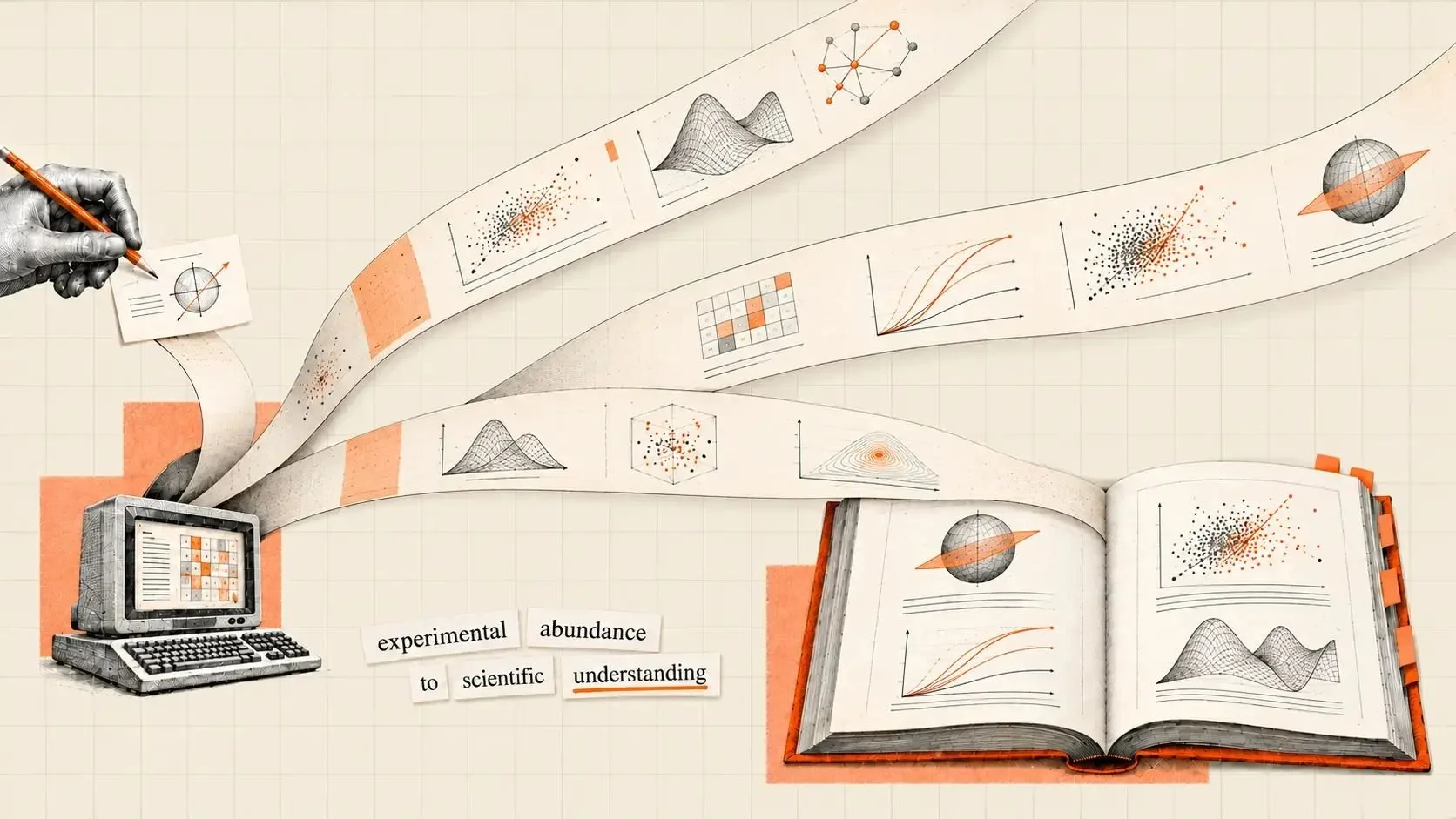
Oak National Academy has built an open, machine-readable model of England’s national curriculum to help developers build education tools around structured information about what pupils need to learn. The draft covers 13 subjects across key stages 1 to 4, spanning primary and secondary education.
The resource is a knowledge graph: a way of representing subjects, topics and concepts alongside the relationships between them. It turns information normally published in documents into a format software can query and connect.
John Roberts, Co-founder and CEO of Oak National Academy, discussed the problem the project addresses on LinkedIn:
“The national curriculum is published as documents written for people. Software can’t reliably use them, so each edtech company builds its own model, and those models don’t always agree.”
That inconsistency can affect tools which suggest what pupils should study next or identify the knowledge needed before starting a topic.
“Ask an AI tool what pupils need to know before a new topic, and you’ll get a plausible answer that may be wrong,” Roberts wrote.
Separating requirements from teaching choices
The graph distinguishes between national curriculum requirements and Oak’s approach to arranging lessons and topics.
Its national curriculum layer represents Oak’s interpretation of the 2014 curriculum. A separate layer captures Oak’s curriculum, including units, lessons and sequencing decisions.
This allows developers to distinguish required content from choices about how to teach it. Some subjects have relatively clear dependencies, while others allow greater flexibility.
As Roberts explained: “In maths, some dependencies are close to fixed. Pupils need to understand fractions before they can divide them. In history and English, teachers often have more room for professional judgement about order. Our sequencing is one evidence-informed route, not the only valid one, so it sits in its own layer.”
An open resource still under development
Writing in Oak’s engineering publication, Mark Hodierne, Senior Machine Learning Engineer at Oak, explained the thinking behind the project: “If AI is going to transform education, AI needs to know about education first. Not just what the curriculum contains, but how it’s structured.”
The resource uses open standards, with data available under the Open Government Licence v3.0 and code under the MIT License. Potential applications include connecting educational content to curriculum concepts, identifying gaps and helping tools account for the knowledge pupils need before progressing.
The graph remains a draft and is not yet ready for production use. Its structure and identifiers may change as development continues.
Oak is also providing technical support to the Department for Education as it develops a digital national curriculum for 2028 onwards. The current graph represents Oak’s interpretation of the 2014 curriculum, with plans to add the revised curriculum alongside it.
Roberts invited developers to help improve the draft: “If you build tools for schools, explore it, test it and tell us what’s missing.”
ETIH Innovation Awards 2027 open for entries
The ETIH Innovation Awards 2027 are now open for entries, with 26 categories recognising companies, institutions, projects and individuals making a measurable impact across education technology. The global awards span AI in education, digital learning, higher education, skills and workforce, inclusion, education operations, evidence and impact, with entries managed through ETIH’s new online awards platform.
Entries are open worldwide, with the early-bird deadline on Friday 18 December 2026 and the final entry deadline on Friday 26 February 2027 at 23:59 UK time.
Explore the 2027 categories and judging criteria, read the How to Enter guide or start an entry through the ETIH Innovation Awards 2027 platform.