OpenAI and King’s College London workshop challenges one-size-fits-all AI safeguards for teenagers.
AI safeguards need to account for differences between teenagers, with young people given a meaningful role in product design and research, according to discussions at a workshop convened by King’s College London and OpenAI.
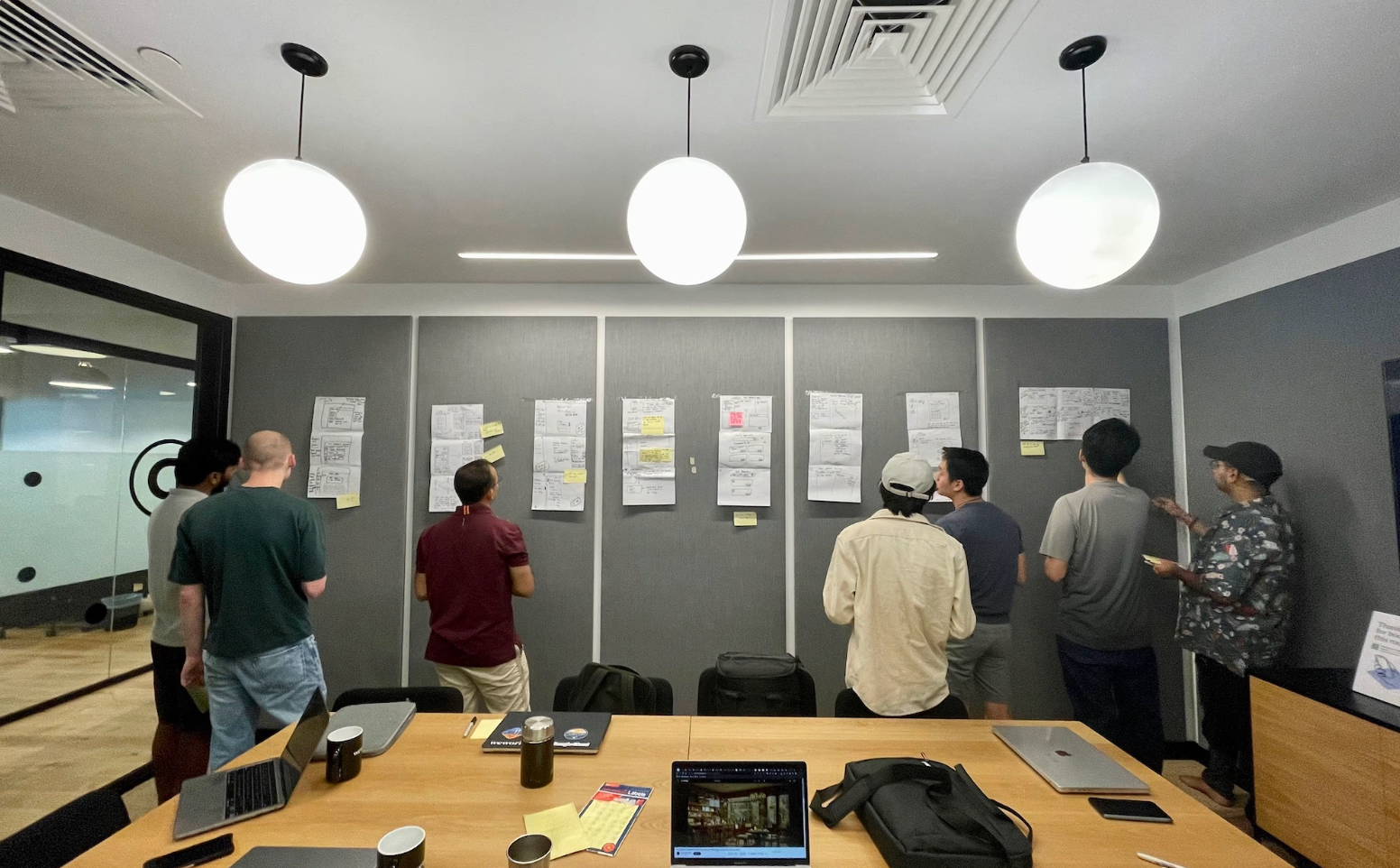
The London university and the ChatGPT developer brought together researchers, educators, clinicians, policymakers and youth organizations to examine how generative AI affects young people’s learning, wellbeing and development.
Participants questioned whether a single approach to youth safety could adequately serve users with different developmental needs, family circumstances and access to support. They also examined tensions between parental oversight and teenagers’ rights to privacy and increasing independence.
OpenAI Global Affairs highlighted the workshop on LinkedIn, saying safeguards should reflect differences in age and circumstances, while young people should help shape the tools they use.
Supported by the King’s Institute for Artificial Intelligence, the discussions drew on OpenAI’s European Youth Safety Blueprint, which sets out proposals covering age-appropriate experiences, privacy-preserving age assurance, protections against manipulative outputs and parental controls.
A 13-year-old and a 17-year-old need different protections
Participants examined how the same AI system could produce different experiences depending on a young person’s age, language, education, digital competence and access to trusted adults.
Protections appropriate for younger children could unnecessarily restrict older teenagers. Equally, safeguards developed for older users might offer insufficient protection to younger children.
The discussion also challenged the assumption that confidence using a chatbot translates into the ability to evaluate its responses. Recognizing inaccurate information, protecting personal data and knowing when to seek human support require skills beyond operating the technology.
Dr Nessa Keddo, Senior Lecturer in Media, Diversity and Technology at King’s College London, says: “This workshop was important for bringing together key experts, from both inside and outside of academia, to discuss current and emerging research priorities on this phenomenon. Youth experiences with AI are not linear, particularly with tools and their features expanding at a rapid pace. We need to investigate how experiences differ between geographic locations, protected characteristic groups and those from multiple disadvantaged backgrounds. Including young people as co-designers and participants in future research is essential.”
Parental oversight brings privacy questions
Participants considered safety alongside children’s rights to education, information, expression and participation, examining how protective measures could affect their willingness to use AI or seek advice.
Monitoring a child’s conversations could help identify serious concerns, but it could also discourage them from asking sensitive questions. Participants argued that safeguards should be assessed across their effects on children’s lives, rather than against a single safety measure.
Parents need understandable information about how AI systems operate, how children’s data is handled and which protections are available. Young people also need confidence that their privacy and views will be respected.
Rafaela Nicolazzi, EMEA Privacy & Consumers Protection Lead, Global Affairs, OpenAI, says: “OpenAI’s Youth Safety Blueprint is grounded in a simple commitment: treat teens as teens. This workshop reinforced why that matters: there is no one-size-fits-all approach to young people’s experiences with AI. Responsible design must be informed by the different ages, contexts and lived experiences that shape how young people use technology, and by evidence that evolves alongside them. Bringing together young people, researchers, policymakers and industry is essential to building safeguards that meet those real-world needs.”
Youth participation and independent research
The workshop called for young people to influence research, evaluation, product development and governance, with opportunities to shape decisions beyond being consulted.
OpenAI representatives discussed learning-focused features for teenagers, parental controls and safeguards for high-risk conversations. Participants emphasized the need for continuing independent research as both the technology and young people’s use of it change.
OpenAI’s AI and Teen Development Research Grant program will support independent studies of how AI affects 13- to 17-year-olds. King’s and OpenAI are also exploring further activity through the Wellbeing Council on AI and other opportunities for collaboration.
Organizations represented at the workshop included UNICEF Innocenti, European Schoolnet, Parent Zone, Kooth UK, the University of Oxford and University College London.
Professor Elena Simperl, Co-Director of the King’s Institute for Artificial Intelligence and Professor of Computer Science, says: “We cannot understand the impact of AI on young people by looking at the technology in isolation. We need to understand the different contexts in which young people encounter and use it, and bring together researchers from King’s and beyond, as well as industry, policy and young people themselves to make sure evidence shapes how these technologies develop.”
ETIH Innovation Awards 2027 open for entries
The ETIH Innovation Awards 2027 are now open for entries, with 26 categories recognising companies, institutions, projects and individuals making a measurable impact across education technology. The global awards span AI in education, digital learning, higher education, skills and workforce, inclusion, education operations, evidence and impact, with entries managed through ETIH’s new online awards platform.
Entries are open worldwide, with the early-bird deadline on Friday 18 December 2026 and the final entry deadline on Friday 26 February 2027 at 23:59 UK time.
Explore the 2027 categories and judging criteria, read the How to Enter guide or start an entry through the ETIH Innovation Awards 2027 platform.