UK government announces £600m-plus AI investment package targeting security, skills and research
New funding includes an £18 million chip design academy, £30 million for local AI partnerships and £23 million to study the technology's impact on jobs, productivity and economic growth
The UK government has announced a £600 million-plus AI investment package covering cybersecurity, AI research, semiconductor skills and workforce training, including new university and college partnerships.
The UK government has announced a package of more than £600 million in planned AI investment, including new funding for specialist technology training, university and industry collaboration, cybersecurity research and the development of British AI companies.
Unveiled ahead of the forthcoming Budget, the measures include £18 million for a UK Advanced Chip Design Academy, £30 million for locally led AI partnerships involving universities and colleges, and an additional £23 million for research into how artificial intelligence is changing employment, productivity and the economy.
The package also includes £165 million for biological security, £120 million for the AI Security Institute and funding for new cybersecurity infrastructure intended to strengthen national defenses against emerging technological threats.
The government says the investment is intended to reduce dependence on overseas technologies while developing domestic expertise in AI, semiconductor design and advanced computing.
£18m chip design academy and new AI training center planned
A central education commitment is the creation of the UK Advanced Chip Design Academy, backed by £18 million to develop advanced semiconductor design skills and strengthen connections between British research and manufacturing.
The funding is intended to support the country's ability to design advanced computing hardware, with the government also announcing investment in chip design capability in Edinburgh.
In Manchester, a new National Cyber Security Centre AI Cyber Security Centre of Excellence will train and develop government specialists in AI and cybersecurity.
The proposed training center will focus on building technical expertise within government, supporting the development of skills needed to protect public services and critical infrastructure.
The government is also allocating £30 million to local AI partnerships with Mayoral Strategic Authorities. These arrangements will bring together councils, businesses, universities, colleges and other organizations to develop local approaches to AI adoption.
The funding is intended to support improvements to public services, help small and medium-sized businesses introduce AI, and provide workers with relevant skills.
The measures place higher education institutions and local training providers within the government's plans for AI adoption, combining specialist technical education with broader workforce development.
£23m AI Economics Institute funding to examine jobs and productivity
Understanding how AI will affect employment forms another part of the investment package.
The government has allocated an additional £23 million over three years to the AI Economics Institute, a government-backed research organization examining the economic consequences of artificial intelligence.
Its research will focus on changes to productivity, economic growth, jobs and living standards as AI adoption increases across industries.
The institute will also support international research collaboration, including work connected to the UK's G20 Presidency in 2027.
The announcement separately refers to £10 million annually for work examining how AI will reshape jobs and industry, although it does not specify how this commitment relates to the institute's three-year funding allocation.
The Chancellor says the government wants its AI strategy to address concerns about technological displacement while supporting economic growth: "I understand and share the concerns of working people, so I am setting out a distinctively British approach to AI - one that doesn’t leave workers behind and defends our national interest, while ensuring the benefits of AI-enabled growth are felt right across the country."
AI security and domestic technology development receive further investment
Alongside the education and workforce measures, the government is committing substantial funding to AI safety, national security and domestic technology development.
The National AI Biosecurity Initiative will receive £165 million, including £100 million for a new AI Biosecurity Lab and £65 million for biological surveillance and the development of medical countermeasures.
The lab will also receive up to £200 million in AI model credits and other support from OpenAI and Anthropic, with Google DeepMind and Basecamp Research joining as research partners. These company commitments are separate from the government's direct funding.
An additional £120 million will support the AI Security Institute's research and testing of increasingly capable AI systems.
Cybersecurity measures include £60 million for a National Cyber Shield, using agentic AI to strengthen defenses, and £70 million for a National Exposure and Real-Time Vulnerability Centre designed to identify vulnerabilities across critical infrastructure and the wider economy.
The National Cyber Shield allocation includes a £25 million challenge fund for British AI and cybersecurity developers. The government is also considering a regulatory sandbox for testing agentic cybersecurity technologies.
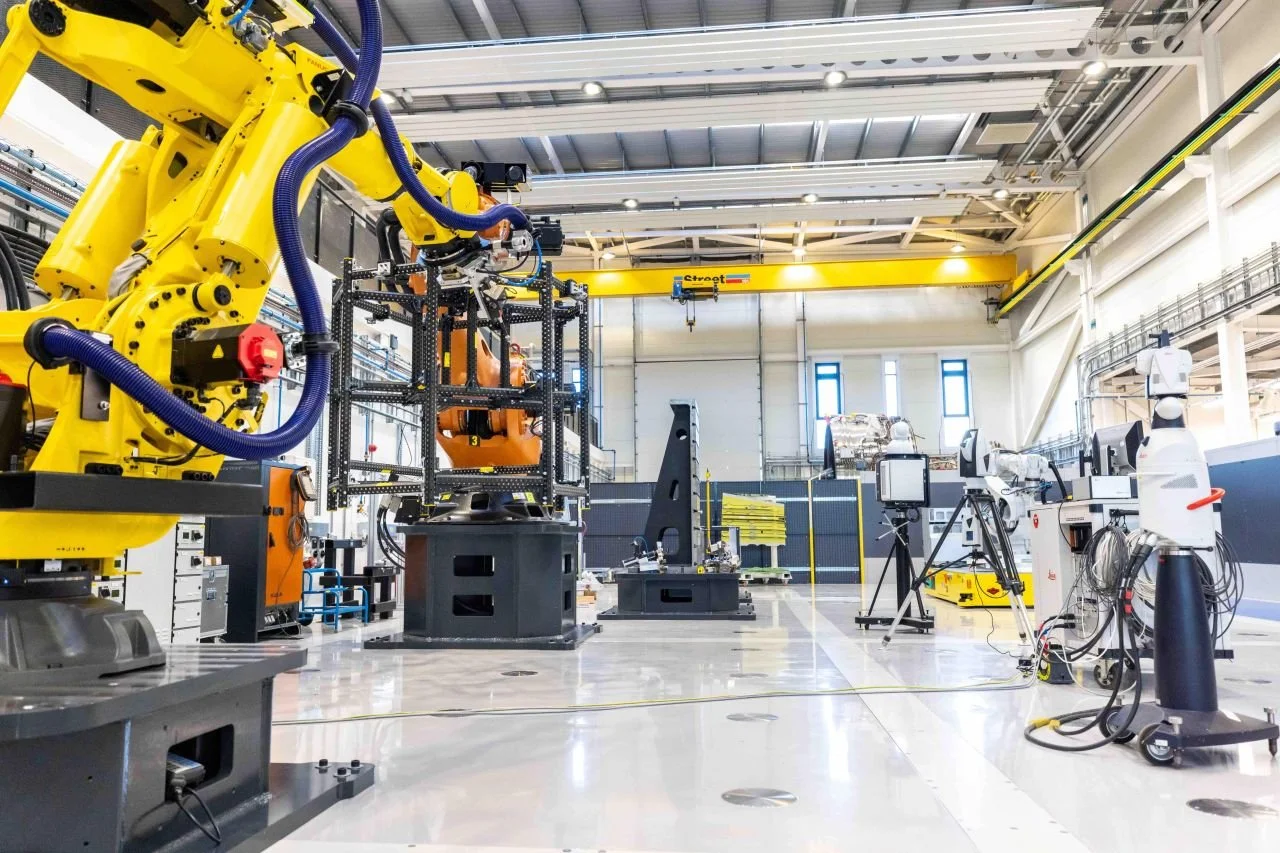
For domestic AI companies, an additional £60 million will go to the Sovereign AI Fund, with a new focus on physical and industrial AI, including robotics, autonomous systems and advanced manufacturing.
A further £60 million will support Sovereign AI's research and development procurement program, targeting applications in healthcare, AI security and responsible adoption.
AI Minister Kanishka Narayan says reducing reliance on overseas technology is part of the government's approach:
"We cannot afford to rely entirely on technology built overseas. By backing British science, advanced chips and our own AI companies, we can strengthen our national security, rebuild Britain’s industrial strength and create good, skilled jobs across the country."
The investment package also includes a £15 million AI Challenge Prize, initially targeting technologies addressing healthcare problems.
The government has not specified detailed delivery dates for the new chip design academy, Manchester training center or local AI partnerships. The proposals form part of the wider investment plans announced ahead of the Budget.
ETIH Innovation Awards 2027 open for entries
The ETIH Innovation Awards 2027 are now open for entries, with 26 categories recognising companies, institutions, projects and individuals making a measurable impact across education technology. The global awards span AI in education, digital learning, higher education, skills and workforce, inclusion, education operations, evidence and impact, with entries managed through ETIH’s new online awards platform.
Entries are open worldwide, with the early-bird deadline on Friday 18 December 2026 and the final entry deadline on Friday 26 February 2027 at 23:59 UK time.
Explore the 2027 categories and judging criteria, read the How to Enter guide or start an entry through the ETIH Innovation Awards 2027 platform.