Anthropic unveils Claude Duet, an AI agent that works across connected apps in the background
The new app can monitor messages, manage tasks and work independently while users are away, with a US research preview opening to Pro and Max subscribers
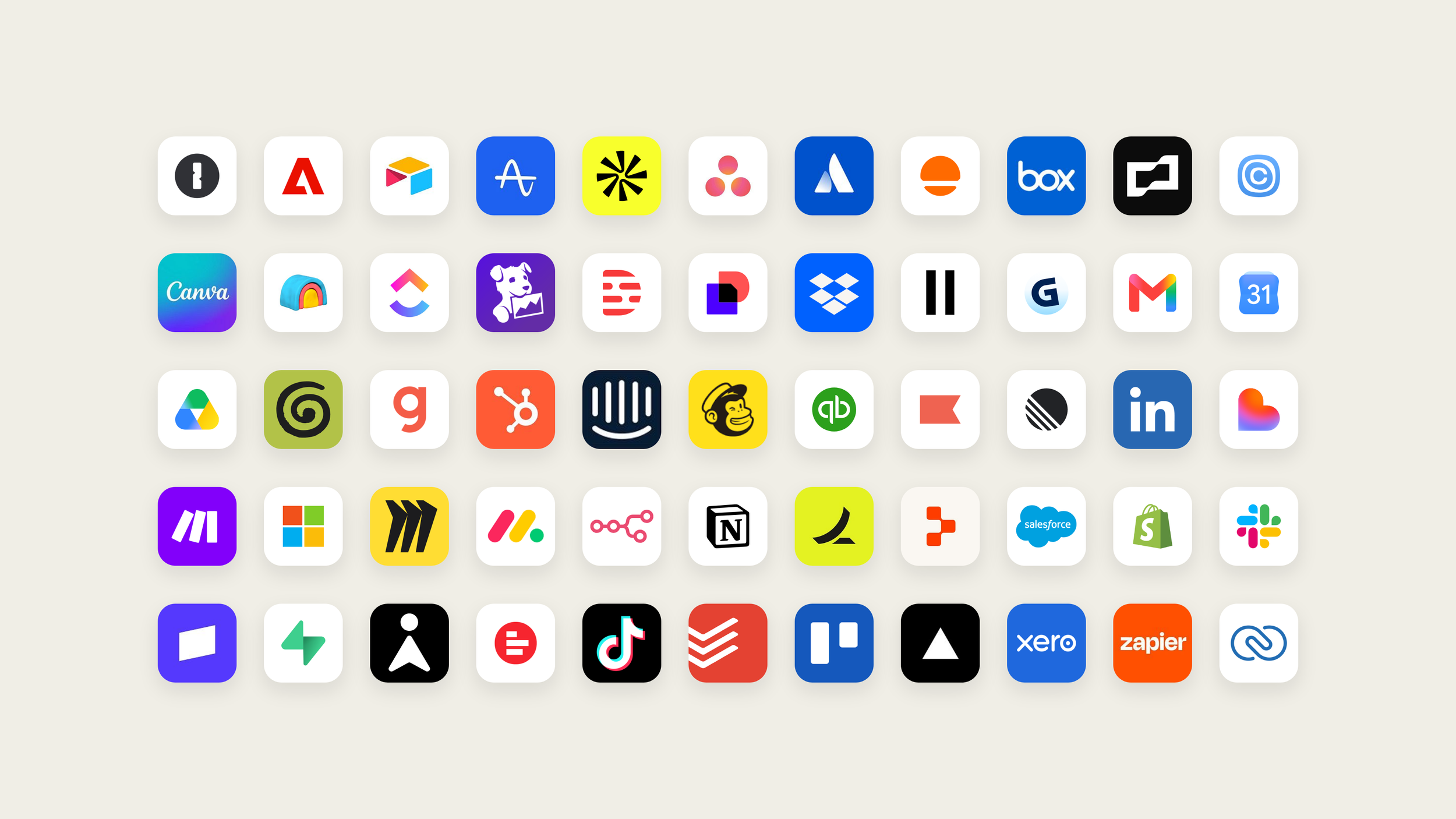
Claude Duet connects with business and productivity applications through Anthropic's marketplace of more than 6,000 connectors and plugins
Anthropic has introduced Claude Duet, a new AI app designed to take a more active role in managing everyday work, completing tasks across connected services and identifying what needs attention without requiring users to initiate every interaction.
The research preview is initially available through a waitlist for Claude Pro and Max subscribers in the US. The product operates as a separate app on iOS, Android and the web, with access included in existing subscriptions and usage counting towards the same plan limits as Claude.
Built around Claude Opus 5.5, Duet moves beyond the conventional chatbot interface by combining proactive monitoring with the ability to carry out multi-step tasks. It can review connected accounts, prepare work, generate reports and continue working even when a user's laptop or phone is switched off.
The initial release targets professionals and small business owners, with applications spanning administration, project management, financial planning and software development.
Rahul Patil, Chief Technology Officer at Anthropic, described the shift in a LinkedIn post:
"You give it real work, walk away, and it keeps going. Better yet, it’s proactive, looks around corners for you throughout the day, and comes to you with what needs your attention."
Claude Duet monitors connected apps and works without continuous prompts
Rather than waiting for individual requests, Claude Duet can check connected accounts every few hours and identify items it considers important.
Each morning, it prepares a brief drawing on information from a user's connected services. Throughout the day, it can send notifications when something requires attention, with users able to specify the information they want to receive and how frequently.
The product carries over existing Claude memory, skills and connected apps. Users communicate with Duet through a single ongoing conversation using text or voice, allowing both short requests and longer projects to take place within the same interface.
Its background capabilities run through a virtual machine with a dedicated browser, meaning tasks can continue without the user's own device remaining active. Notifications are sent when work is complete or a decision requires review.
Anthropic says the agent can handle activities ranging from scheduling meetings and preparing sales forecasts to building dashboards, prototyping and creating web applications.
It also supports more than 6,000 connectors and plugins available through the Claude Marketplace, allowing tasks to move between business services.
Examples include reviewing missed Gmail and Slack messages, checking unpaid invoices in QuickBooks or Stripe, preparing payroll in Gusto and drafting recruitment posts for LinkedIn. It can also work with HubSpot, DocuSign, Canva and Shopify to support customer communications, agreements, marketing and online store management.
The app's proactive monitoring is not continuous. Anthropic says Duet checks accounts every few hours because more frequent activity would consume subscription usage limits substantially faster.
Payments, messages and other sensitive actions require approval
Giving an AI agent access to multiple business accounts also introduces questions about how much control it should have over information and transactions.
Anthropic has designed Claude Duet to distinguish between work it can prepare independently and actions requiring explicit authorization.
Before sending a message, making a payment, signing a document or deleting information, Duet must present the proposed action and obtain approval. Certain activities, including securities trading and transferring money between accounts, remain prohibited even with user permission.
The app also incorporates a dedicated system for checking messages before they are sent. It is designed to prevent disclosure of highly sensitive information, including credit card numbers and government identification, while other sensitive details, such as health or financial information, require explicit user instructions before being shared.
Patil acknowledged the sensitivity of connecting an AI agent to personal and professional accounts in his LinkedIn announcement:
"Giving an AI the keys to your Slack, mail, calendar and everything else is a little scary. I know, because I did it."
Anthropic says its credential-handling system prevents Duet from directly accessing passwords or sign-in tokens. Its security measures also draw on existing safeguards developed for Claude Code, Claude in Chrome and Claude Managed Agents.
The company reports that Duet has undergone adversarial security testing, including penetration testing by an external firm, and is covered by its public bug bounty program.
For business purchases, Duet can use Link, Stripe's digital wallet, to generate a virtual payment card after the user approves a transaction. Shop Pay is also supported, while integration with saved 1Password logins is planned for a future release.
US preview begins with existing subscription limits
Anthropic has provided examples of how early testers are using the product, including preparing client briefings, identifying calendar conflicts and managing business administration.
Mya Dalton, a brand strategist, described how Duet noticed that a scheduled client call fell immediately before a flight and offered to move the appointment.
"I didn’t realize that it was right before my flight," she said. "I love that proactivity."
The company is positioning these capabilities as an early research preview rather than a finished product. It acknowledges that Duet can misinterpret conversations or incorrectly judge urgency, while personal errands, such as booking tickets, are currently less developed than its work-related functionality.
The app also cannot yet show users its browser, despite using one to complete background tasks.
Usage is another consideration. Duet shares the limits of an existing Claude subscription, and its automated account checks and longer tasks consume those limits alongside ordinary Claude conversations. More complex work, including financial models and presentations, requires additional model activity.
For now, Duet remains separate from the main Claude app. Anthropic says feedback from early users will help determine how the two products work together in subsequent releases.
The Claude Duet research preview is opening first to US Pro and Max subscribers, who can register through the product waitlist. Anthropic has not specified when access will expand beyond the initial market.
ETIH Innovation Awards 2027 open for entries
The ETIH Innovation Awards 2027 are now open for entries, with 26 categories recognising companies, institutions, projects and individuals making a measurable impact across education technology. The global awards span AI in education, digital learning, higher education, skills and workforce, inclusion, education operations, evidence and impact, with entries managed through ETIH’s new online awards platform.
Entries are open worldwide, with the early-bird deadline on Friday 18 December 2026 and the final entry deadline on Friday 26 February 2027 at 23:59 UK time.
Explore the 2027 categories and judging criteria, read the How to Enter guide or start an entry through the ETIH Innovation Awards 2027 platform.