OpenAI’s educator AI workshops yield reusable tools, but teachers want more practice
Feedback from 802 participants found 92% left with something they could use again, while 29% wanted additional hands-on time
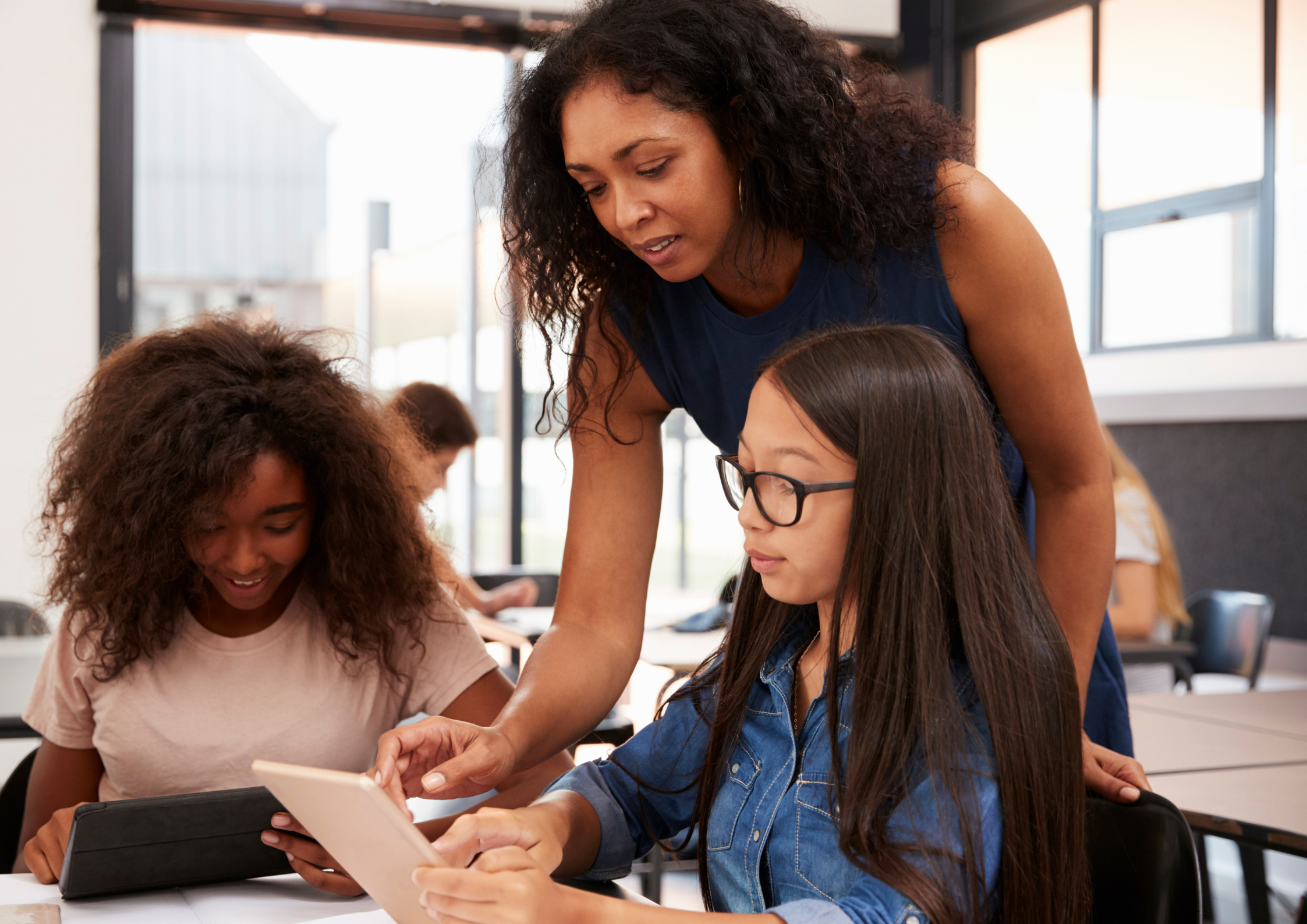
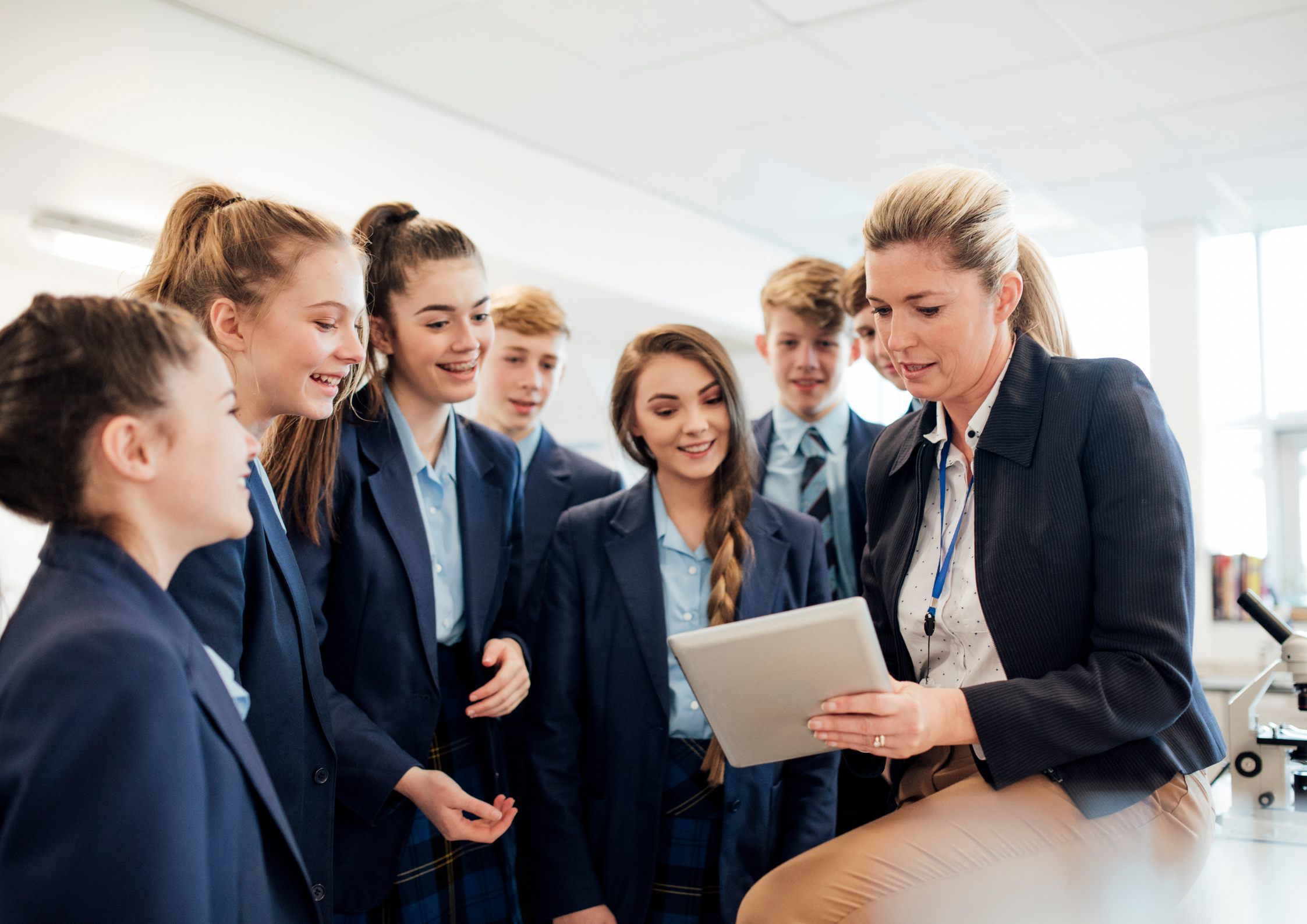
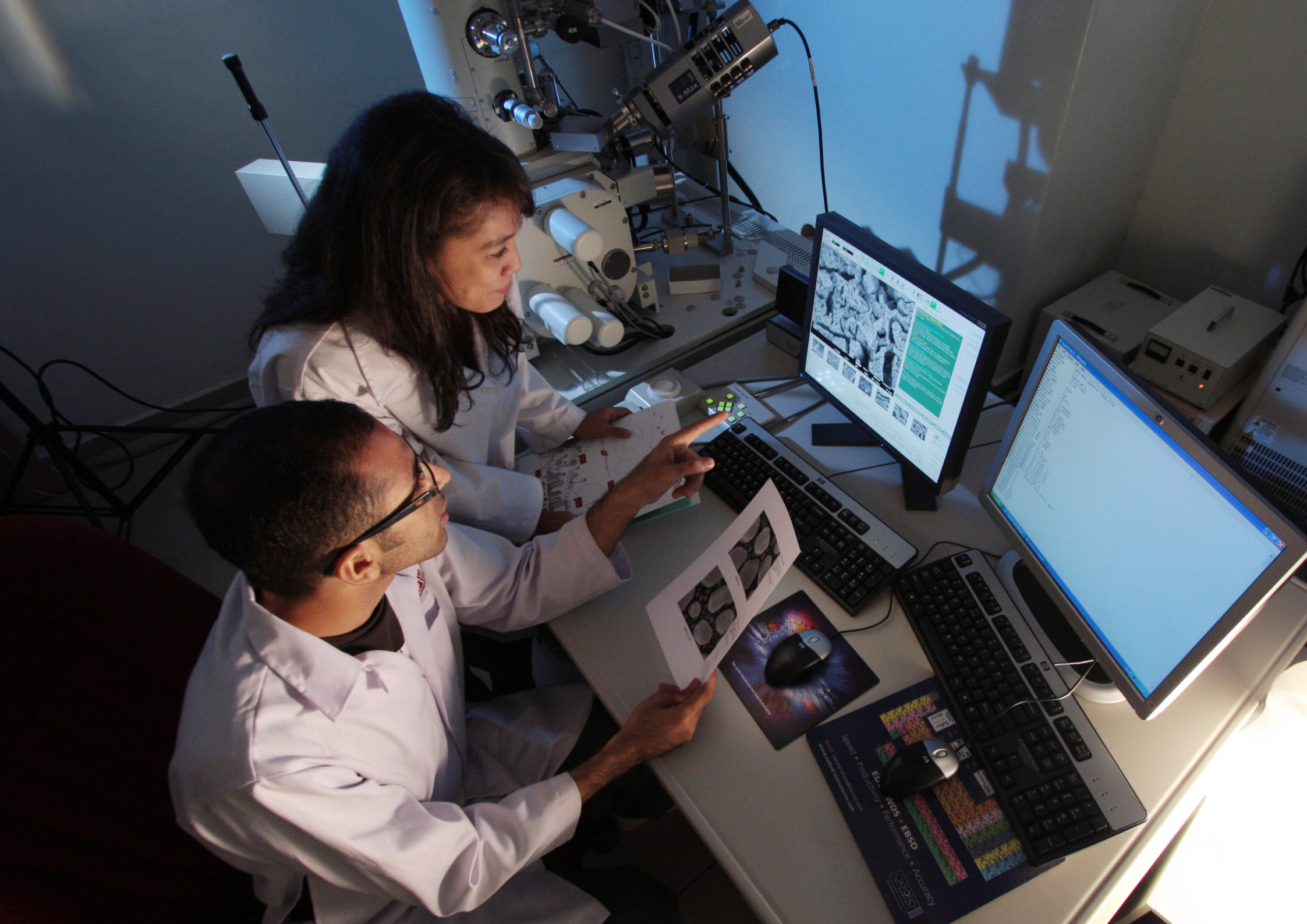
Educators at OpenAI’s AI Skills Jams created lesson materials and reusable tools for school tasks. Illustrative image.
Educators built lesson-planning templates, science simulations and tools for recurring school tasks at OpenAI’s US training events, with 92% of survey respondents reporting that they left with something reusable. Feedback also identified a demand for more time to practice and clearer routes for beginners and experienced users.
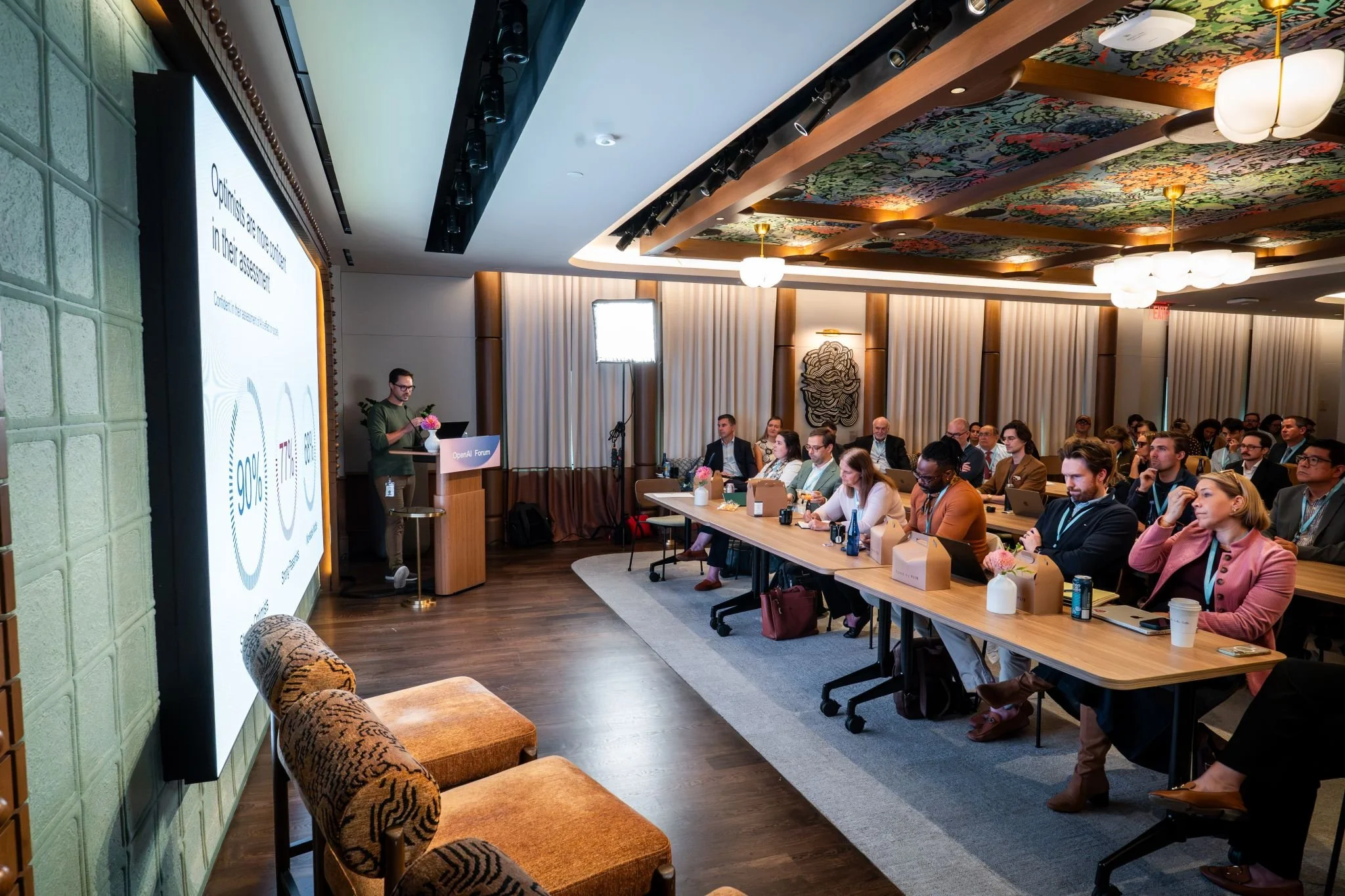
The findings appear in From Curiosity to Classroom Outcomes, OpenAI’s account of its AI Skills Jams for K–12 educators, covering kindergarten through high school. OpenAI Academy and the Walton Family Foundation ran the free, day-long events in nine US communities during the summer and fall, attracting more than 1,600 teachers, administrators and district leaders.
Of the 802 participants who provided feedback, 96% planned to use what they learned within 30 days and 97% would recommend a Jam to a colleague. These are participant assessments and intentions. The findings do not establish whether the tools subsequently improved student learning or reduced workloads over time.
Starting with a lesson, not a prompt
Lesson and classroom planning was the largest category of reusable work, accounting for 29% of the 741 respondents who said they had created something they could use again. Projects included small-group schedules, assessments, pacing guides and materials adapted for different learners.
At Kemp Elementary School in Jonesboro, Georgia, fourth-grade teacher Francesca Summers used ChatGPT to turn lengthy district materials into lessons that fitted a 30- to 40-minute teaching block. She began with the learning objective, success criteria and evidence from students’ work.
From the same lesson, she generated vocabulary support and smaller steps for struggling readers, alongside extensions for students ready to go further. She then reviewed the suggestions, keeping, changing or rejecting them according to her students’ needs.
“I don’t start with AI. I start with the standard,” Summers says in the publication.
Other examples involved creating materials that would be difficult to present on a whiteboard. Karl Craddock, a chemistry and physics teacher at William Fremd High School in Palatine, Illinois, uses ChatGPT to build simulated experiments and three-dimensional models of concepts such as magnetic fields.
Taking recurring tasks off the blank page
Some participants began building tools for work that repeats throughout the school year. At North Davis Junior High School in Clearfield, Utah, theater teacher Adam Hellewell worked on tools to organize auditions, turn scripts into production checklists and compare rehearsal schedules with progress.
Those projects were intended to reduce logistical work. In San Bernardino City Unified School District, Administrator Cesar Lopez described an existing routine: an AI “chief of staff” reviews unread emails shortly before the end of his day and flags messages awaiting a reply. Lopez checks the results and handles the responses himself.
“We can give it a task, do all the tedious work, and get more time to work with our colleagues and students,” Lopez said in comments shared by OpenAI Global Affairs on LinkedIn.
Among respondents who left with something reusable, 18% reported building skills, projects or apps, 16% created images or other visuals, 13% developed templates or communications, and 10% built websites. Some projects belonged to more than one category.
The publication also describes training across Township High School District 211 in Illinois, which serves more than 12,000 students. Teachers learned alongside librarians, athletic trainers, hall monitors, bus drivers and other staff. An athletic trainer built a custom GPT, a tailored version of ChatGPT, that staff across five schools use to produce consistent reports on sessions with student athletes.
More time to build and test
The sessions combined introductory and more advanced ChatGPT training with guided activities, mentors and dedicated building time. Even so, nearly a third of participants wanted more examples and demonstrations, while 29% requested additional hands-on work.
OpenAI identifies a need for different programming for first-time and experienced users, with examples tailored to subjects and school roles. It also says feedback will inform future training, resources and products.
The participant analysis excludes duplicate Las Vegas submissions and responses from an unrelated event for older adults. Teacher accounts come from Jam interviews and previously approved or published OpenAI profiles.
For future events, the publication recommends more time to experiment, role-specific examples and clearer “start here” guidance for educators encountering the tools for the first time.