Rice University plans 40 more AI faculty hires and new master’s degree
The Houston university’s expansion includes research space at The Arc, a planned AI Foundry and hiring across technical, applied and ethical disciplines
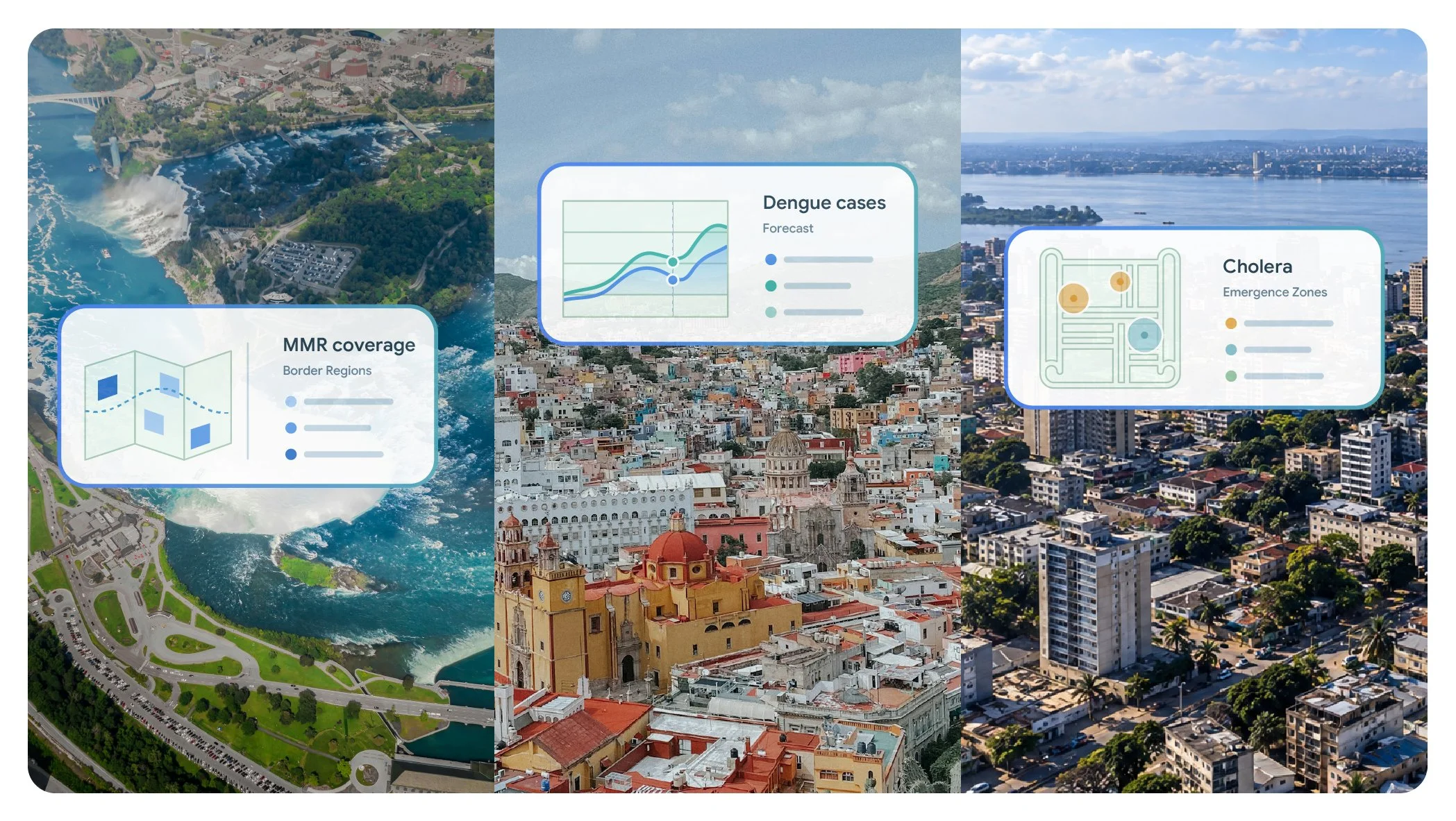
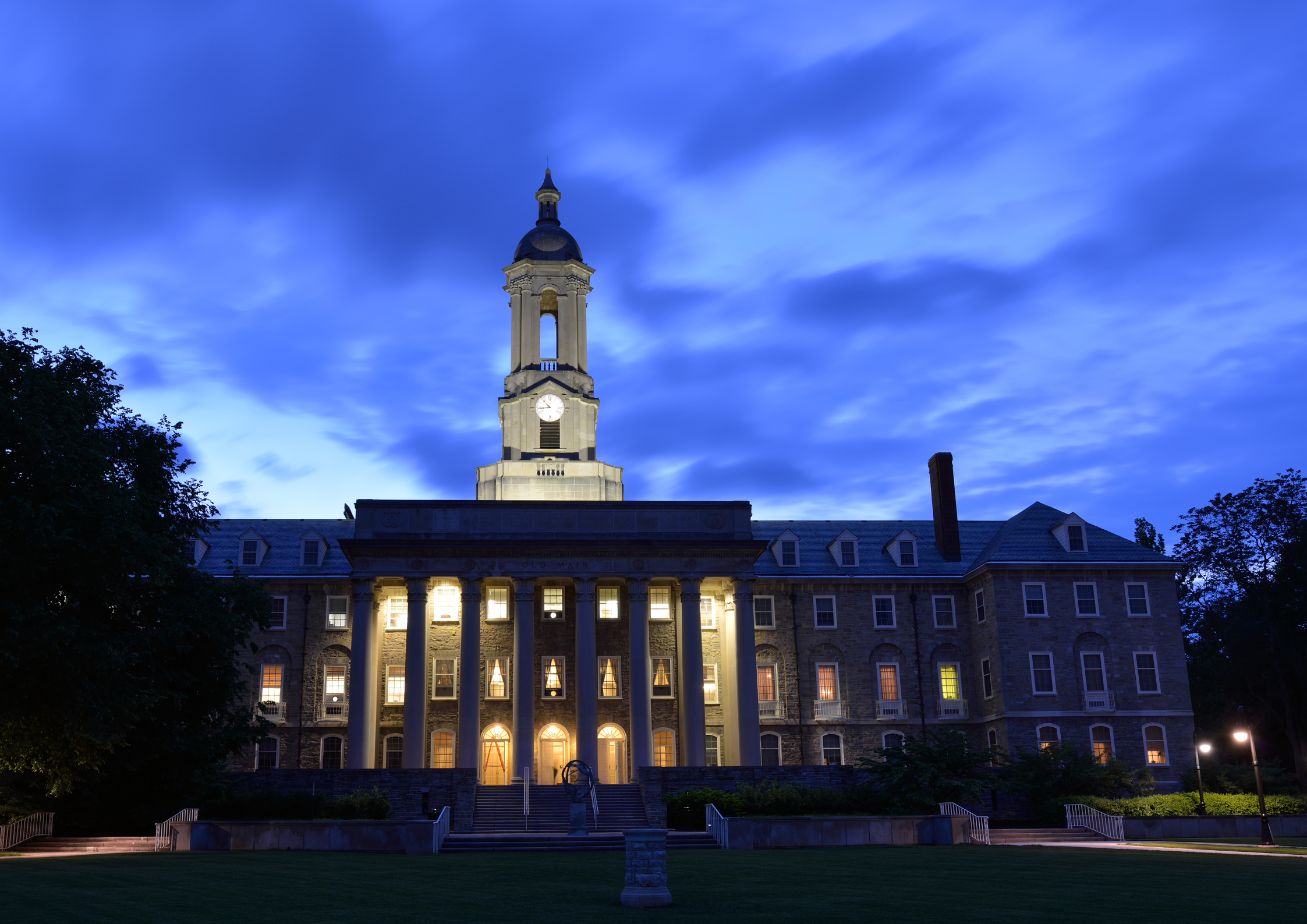
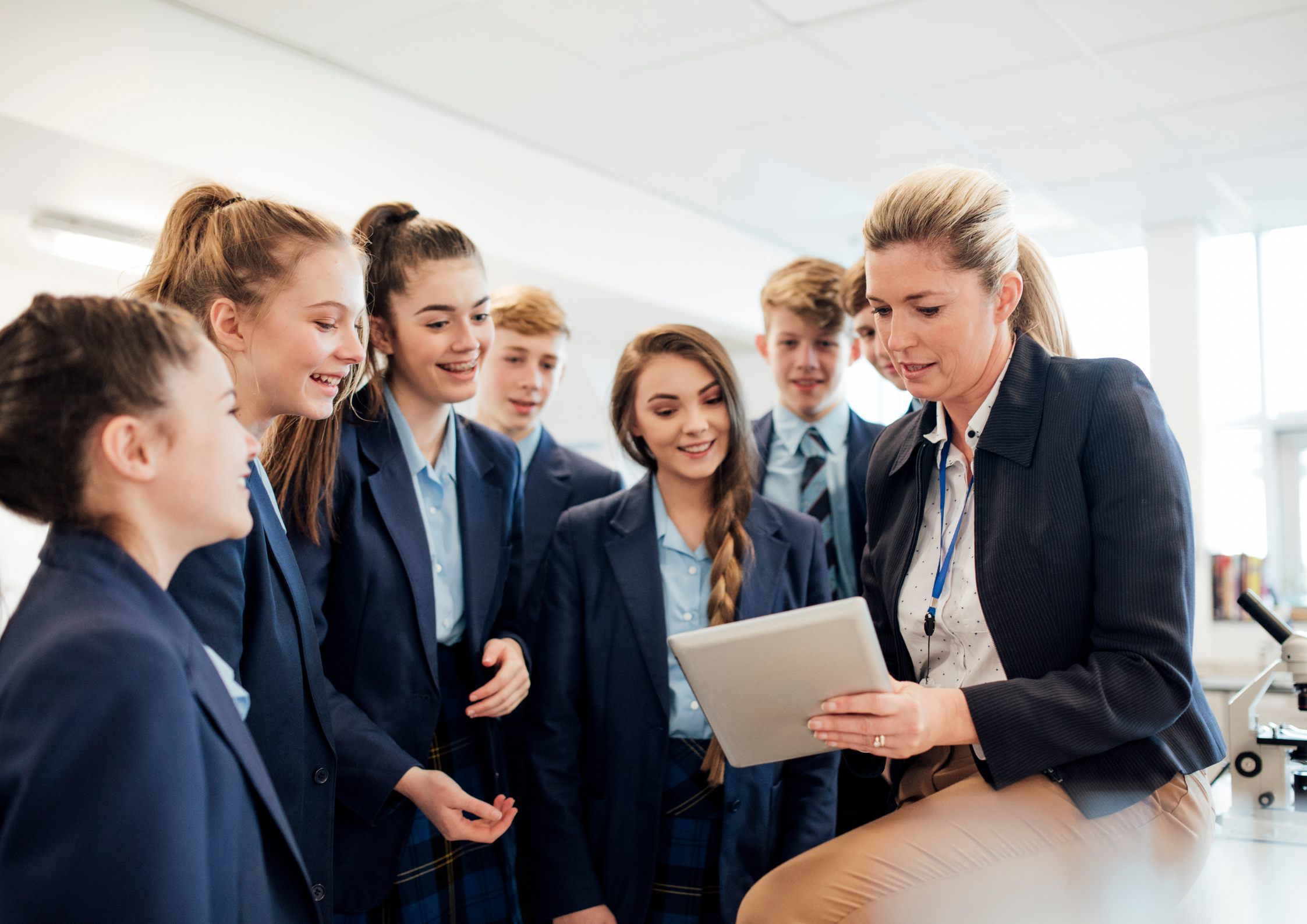
Rice University’s AI expansion combines faculty recruitment, planned research facilities and new degree programs. Illustrative image.
Rice University is recruiting 40 additional AI-focused faculty members as it expands research, teaching and industry collaboration in Houston. The hires will bring its total AI-focused recruitment this decade to 75, with 35 faculty members already recruited across several schools.
The initiative combines hiring with new research facilities and degree programs. Rice will occupy nearly 80,000 square feet at The Arc in Houston’s Ion District, while a Master of Artificial Intelligence program is scheduled to launch in fall 2027.
Recruitment will be coordinated through committees representing multiple schools, connecting AI with engineering, natural sciences, business, social sciences, humanities, arts and music. The work falls into four areas: foundational AI; AI for health; AI for energy, the environment and resiliency; and responsible AI focused on society and ethics.
In a LinkedIn post announcing the initiative, Jeff Falk, Assistant Vice President for Strategic Communications at Rice, shared President Reginald DesRoches’ ambition to “build a community of scholars who will advance the foundations of AI, apply it to consequential challenges, and help ensure that these technologies are developed and used responsibly.”
Research hiring extends into ethics, health and the arts
The foundational AI group will address the theory, algorithms, computing systems and mathematical methods behind AI applications. Applied research will range from drug discovery and biological design to energy systems, climate risks and the analysis of large scientific datasets.
Health research will also examine how people interact with AI tools, including potential adverse outcomes and the design of teams combining humans and artificial agents.
The society and ethics group brings the Shepherd School of Music together with social sciences, humanities, arts, engineering and computing. Its remit includes trustworthy and interpretable systems, the cultural influence of AI, and implications for creative and performing arts.
“Understanding the human and societal dimensions of artificial intelligence is just as critical as developing the technology itself,” says Rachel Kimbro, Dean of the School of Social Sciences. “Our faculty and students are leading essential research on how AI shapes workforce dynamics, healthcare delivery and public policy to ensure these powerful systems serve the public good.”
The Ken Kennedy Institute, led by computer scientist Lydia Kavraki, will connect researchers across the groups. It already brings together more than 140 faculty members across 21 departments and five schools, supporting multidisciplinary work in areas including generative AI, scientific machine learning and human-centered physical AI.
The Arc will house research space and a planned AI Foundry
Construction of The Arc, a nearly 200,000-square-foot research and innovation hub, is scheduled to begin this fall. Rice will be a lead tenant, using its office and laboratory space for work including AI, data science, robotics, computational engineering and energy.
The university is also planning an AI Foundry within the building. It is intended to bring faculty, industry partners, research scientists, postdoctoral scholars and students together for research, experimentation and education.
“Hiring exceptional faculty is essential, but it is only one part of the equation,” says Amy Dittmar, Howard R. Hughes Provost and Executive Vice President for Academic Affairs. “We are building the people, places and partnerships needed to advance AI from foundational discovery to societal impact.”
The expansion forms part of Rice’s 10-year strategic plan, Momentous: Personalized Scale for Global Impact. Since 2021, the university has hired more than 200 tenure-track faculty across its wider academic and research activities.
New programs connect technical learning with responsibility
Alongside the research expansion, Rice is developing teaching and support for students, faculty and staff. Its Rice AI Hub brings together policies, strategy, training opportunities and teaching resources.
The new Rice Program on Technology and Responsibility, a collaboration between the George R. Brown School of Engineering and Computing and the School of Humanities and Arts, aims to prepare students and faculty to develop and govern technology. It includes undergraduate research, community engagement and workforce development.
Rice has offered a Bachelor of Science in AI since fall 2025. Its forthcoming Master of Artificial Intelligence will be aimed at recent computer science graduates and working professionals with technical backgrounds, with the program due to begin in fall 2027.