Google expands AI research tools with classroom simulations and public document review
Teachers can apply to test curriculum-specific STEM interactives, while researchers gain wider access to tools for checking technical documents and analyzing geographic data
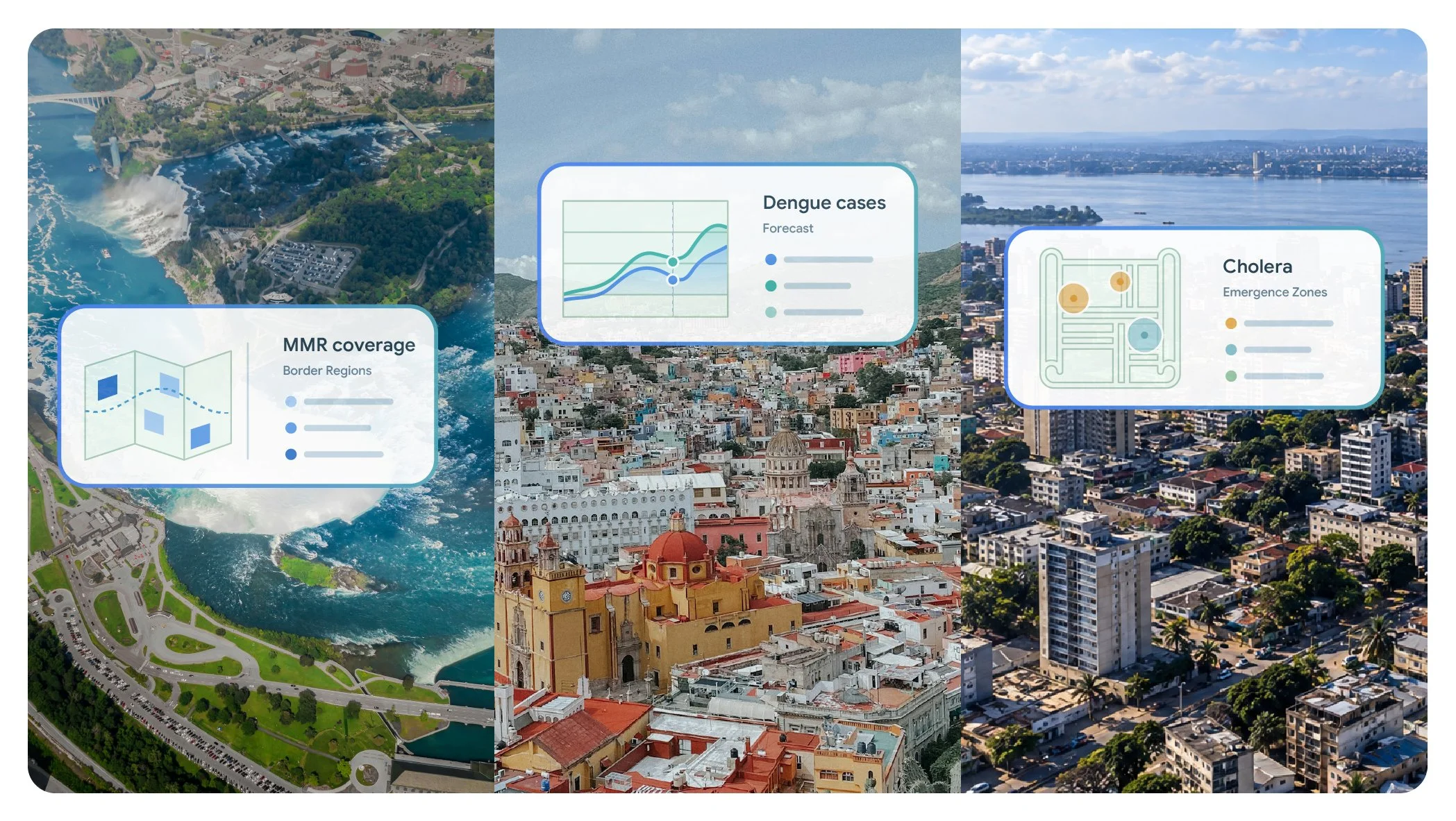
Google says Earth AI’s geographic models are being used to help predict disease outbreaks and support preventive public health action.
Google is widening access to AI tools for teachers and researchers, including an experiment that lets educators create guided STEM simulations and a document-checking system already used on more than 16,000 research publications submitted to computer science conferences.
Announced at its Research@ event in Mountain View on October 14, the developments span classroom teaching, scientific research and public health. Access varies: schools can register for a pilot, the document review tool is opening to the public, and new Google Earth AI capabilities remain experimental and available through early access.
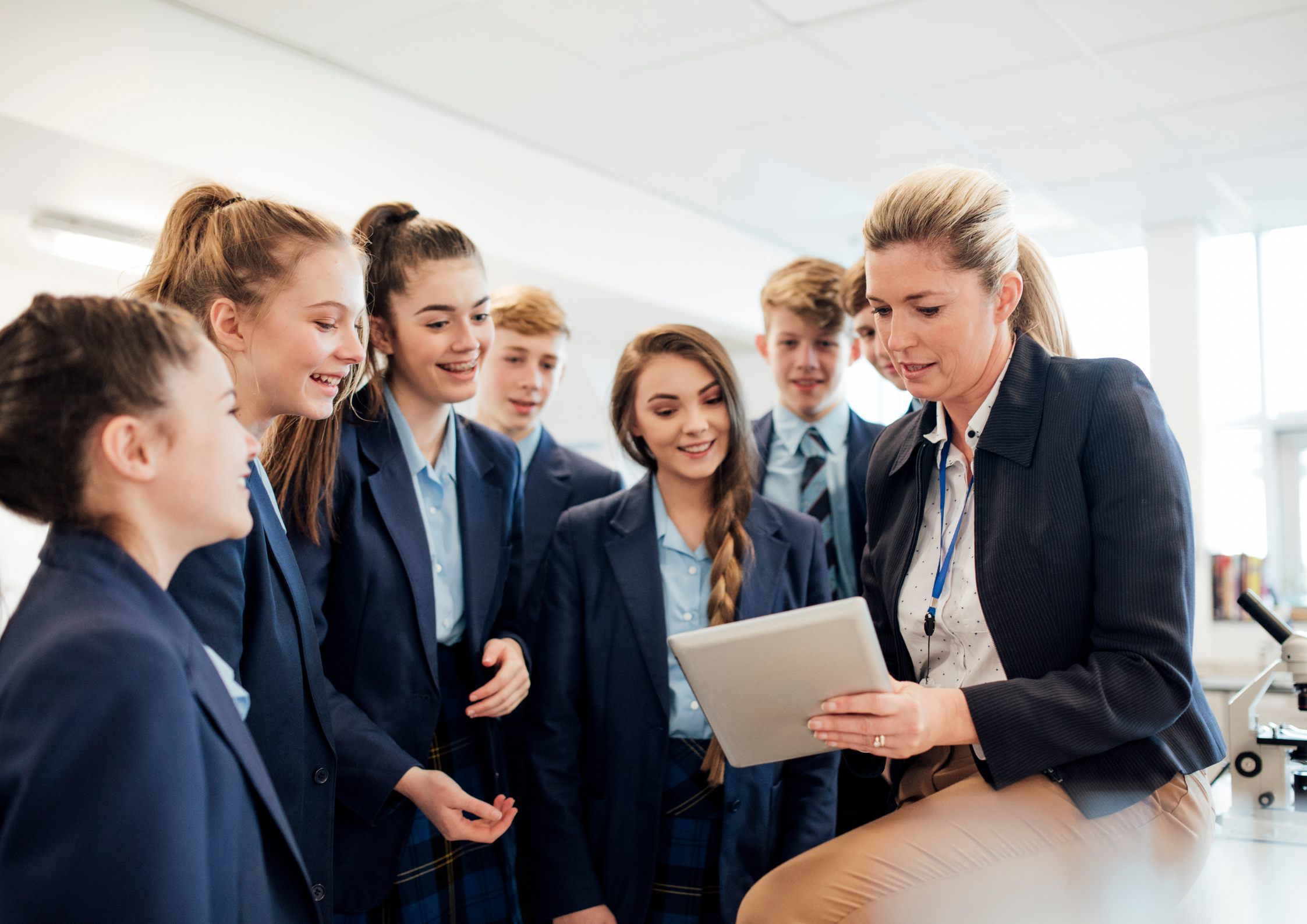
The education experiment gives teachers a way to generate interactive software tailored to their curriculum. Google says it has adapted the technology with teaching safeguards, with a sample library of more than 30 teacher-vetted activities covering middle and high school physics, chemistry, biology and math.
Teachers test simulations built around their lessons
The learning interactives use generative UI, technology that creates working interfaces rather than returning only text or images. In this experiment, teachers can use it to produce custom, guided simulations for STEM subjects.
Schools can sign up through the Google for Education Pilot Program to provide feedback. Google plans to use that feedback to improve the simulations and develop more for public use.
A separate collaboration tool, Play with Putty, lets teams prototype interfaces together using natural-language prompts and simultaneous editing. Originally developed for Google’s own researchers and teams, including work on Earth AI visualizations, it now has a waitlist through Google Labs.
Checking research before building on it
For researchers, Google is expanding public access to Deep Review, an AI system designed to check logical consistency and the factual grounding of complex documents.
Google researchers and external authors have used an early version on more than 16,000 research publications submitted to computer science conferences. The company is now extending access for other technical documents, including legal agreements and financial reports.
Google describes the system as handling verification work while scientists retain authority over creative direction. The publication count indicates use of the early system; the announcement does not give a corresponding measure of review accuracy.
Another research tool tackles a different problem: reproducing an existing method and applying it to a new question. Google’s multi-agent orchestrator coordinates AI systems to help scientists recreate earlier methods and analyses.
In one example, researchers applied a method for fluid mechanics design problems to urinary catheters. The resulting designs performed better at preventing bacterial infections in simulations, according to Google. The result concerns simulated designs, rather than demonstrated clinical outcomes.
Earth AI extends access to forecasting tools
Google is also inviting partners to test three new routes into Earth AI: deeper geographic analysis within Google Earth, a prediction engine for risk assessments and scenario forecasts, and an experimental software interface for integrating its geographic reasoning capabilities into developers’ own workflows.
Those capabilities include interpreting satellite imagery, routing and working with representations of demographic data. Google says the system draws on more than 70 geographic tools, including its Remote Sensing Foundation Model and Population Dynamics Foundation Model.
The company says these models are being used to help predict disease outbreaks and support preventive action by public health teams. It is also integrating Google Dataset Search, covering more than 100 million public datasets, and its TimesFM forecasting model.
Alongside the expanded access, Google.org is providing $10 million to organizations working on crisis resilience and public health. That includes $2 million for The Milken Institute’s work on infrastructure barriers affecting housing, clean energy, broadband and safe water.
Researchers can also access Google’s newly opened Groundsource dataset, containing more than 2.6 million flood events drawn from news reports. Google says it used the dataset to train a model that predicts the likelihood of urban flash flooding up to 24 hours ahead. The dataset is now available through the Google Earth AI collection for further scientific analysis.
ETIH Innovation Awards 2027 open for entries
The ETIH Innovation Awards 2027 are now open for entries, with 26 categories recognising companies, institutions, projects and individuals making a measurable impact across education technology. The global awards span AI in education, digital learning, higher education, skills and workforce, inclusion, education operations, evidence and impact, with entries managed through ETIH’s new online awards platform.
Entries are open worldwide, with the early-bird deadline on Friday 18 December 2026 and the final entry deadline on Friday 26 February 2027 at 23:59 UK time.
Explore the 2027 categories and judging criteria, read the How to Enter guide or start an entry through the ETIH Innovation Awards 2027 platform.