QED Science adds preprint scoring to personalized research discovery
The new Insights Feed covers 250 life science subfields, pairing daily reading recommendations with scientific quality signals for selected preprints
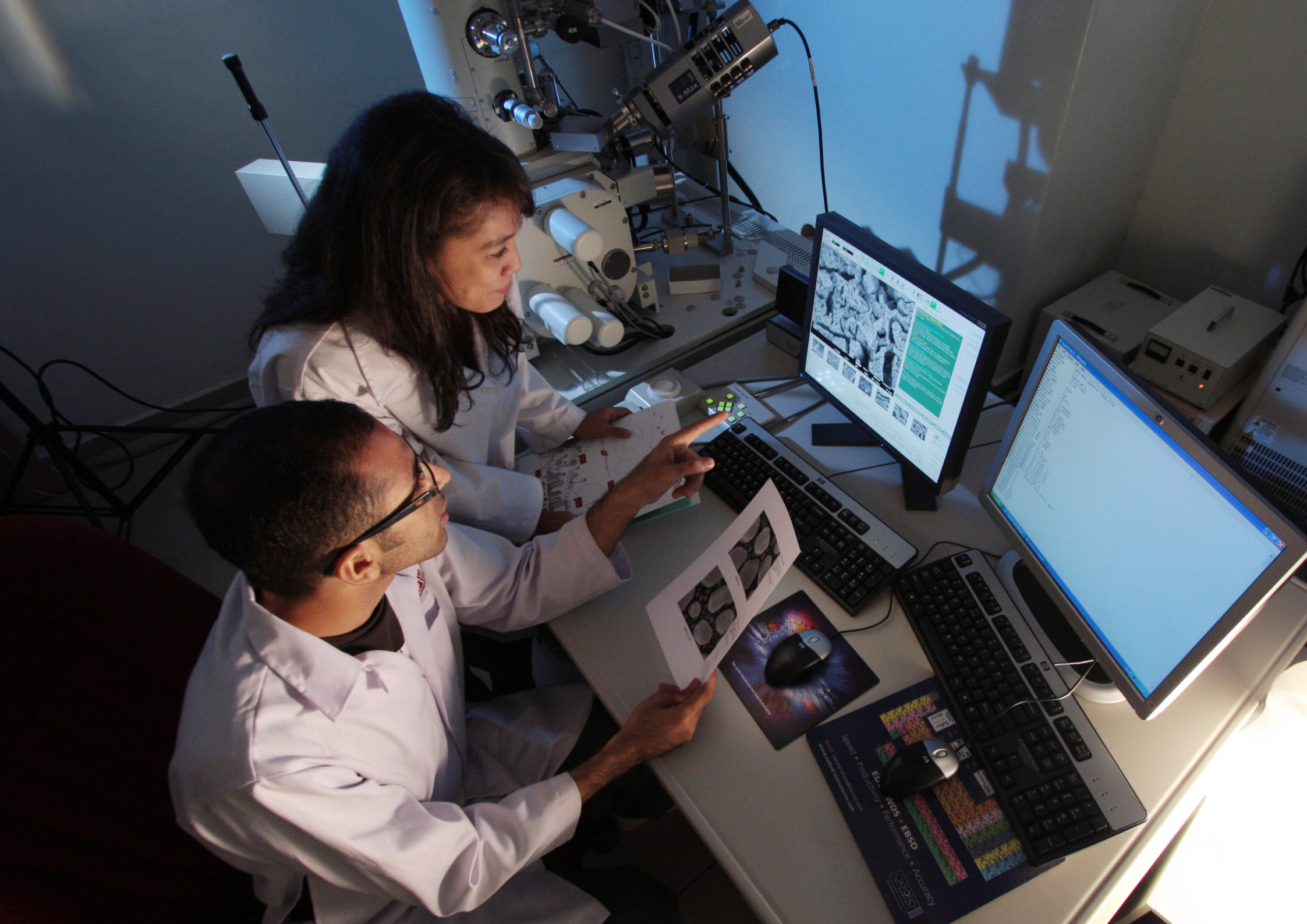
QED Science’s Insights Feed combines personalized research recommendations with quality scores for selected preprints. Illustrative image.
QED Science has launched Insights Feed, a research discovery tool that combines personalized reading recommendations with quality scores for selected preprints. Available to its users now, the product brings the company’s scientific evaluation technology into the process of deciding which research to read.
The feed recommends papers, preprints and conference abstracts across 250 life science subfields. QED Science says it can identify a useful method or finding within a paper that would otherwise fall outside a researcher’s usual searches, including work from disciplines they do not normally follow.
For selected preprints, recommendations also include the QED Score, the company’s assessment of scientific quality. That scoring does not extend to everything in the feed, and the announcement provides no comparative results showing how effectively the tool identifies relevant or high-quality research.
“Researchers don’t need another tool that gives them more papers to read. They need a better way to decide which science is worth their time,” says Niv Mastboim, CEO of QED Science.
Matching papers to work in progress
Rather than relying only on stated interests, Insights Feed also uses a researcher’s published work and any manuscripts or proposals they choose to upload. Recommendations arrive daily, with an explanation of how each item connects to the user’s research. Feedback helps refine the selection over time.
The inclusion of preprints and conference abstracts gives the feed access to findings that have not yet appeared in journals. Dr. Sauvik Das Gupta, Postdoctoral Researcher at the National Institute of Advanced Industrial Science and Technology (AIST) in Tokyo, describes that timing as useful when following developments alongside his own work.
“Preprints give you a more contemporary picture of how the field is developing, and with the Insights Feed you can see that in parallel to how you’re developing your work,” he says.
“This is something I hardly got from a simple web search, because they mostly give you published papers, and journals are often quite slow.”
QED Science’s evaluation technology examines individual scientific claims. The company says its approach is intended to reduce reliance on an author’s reputation, institutional prestige or publication venue when assessing research.
Unpublished material can inform recommendations
Uploading manuscripts and proposals is optional. QED Science says the system generates recommendations without human review of those materials, which it describes as helping protect the confidentiality of unpublished work.
The launch expands a platform previously focused on helping users interrogate and evaluate research on demand. The new feed instead brings a continuing selection of potentially relevant work to the researcher.
QED Science reports that more than 10,000 laboratories across more than 1,500 institutions in over 70 countries use its wider platform.