Jean Chalopin on AI, Education, and Giving 300 Million Children a Chance to Learn
Talk to Jean Chalopin about artificial intelligence and, before long, the conversation lands somewhere unexpected for a man best known for cartoons: a number he keeps coming back to. In spite of our many advancements, roughly 300 million children and young people still have no real access to education.
Inspector Gadget creator Jean Chalopin explores how AI could transform education, make learning affordable, and give 300 million children access to knowledge.
For Chalopin, the writer-producer behind Inspector Gadget and a lifelong believer that entertainment should quietly teach, that figure is no abstraction. He treats it as the problem most worth getting excited about, and as the reason his optimism about AI is so specific. The technology that dominates headlines for its risks is, to him, first and foremost the most promising tool ever invented for closing that gap.
The number that stays with him
Chalopin does not cite the figure to depress anyone. He cites it because he thinks, for the first time, something can actually be done about it.
The fact that hundreds of millions of children and young people growing up without schooling has, for most of history, been treated as a fixed feature of the world: too big, too expensive, too logistically impossible to solve. What has changed, in his view, is not the scale of the need but the cost of meeting it. And cost, he argues, has always been the real barrier.
Why AI changes the math
The heart of Chalopin’s hope is a single word: affordability.
Reaching an underserved child has traditionally meant building a school, training and paying teachers, printing and shipping materials, an expensive chain that simply never reached everyone. A capable AI tutor changes that equation, because it can be delivered for a fraction of the cost, almost anywhere.
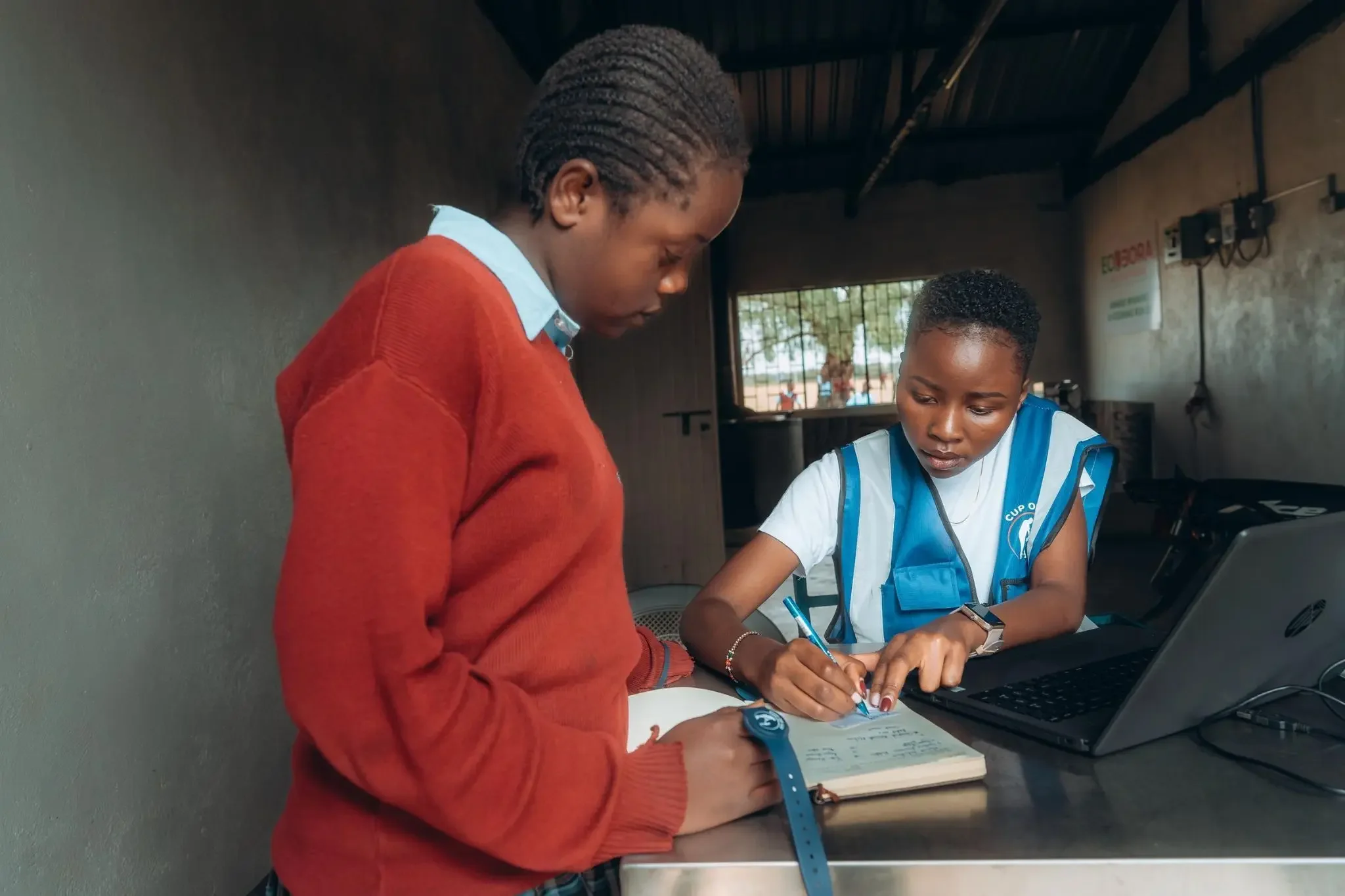
He points to real movement already underway, describing an effort he has heard of in Africa built around giving children access to education through AI precisely because it is so much more affordable than the alternatives. To Chalopin, that is the shape of things to come: not AI as a novelty, but AI as the mechanism that finally makes universal access economically possible.
And access, in his telling, means more than schooling. It reaches to knowledge itself. “AI is going to give access to knowledge that we never had the chance to have,” he says, describing a democratization of learning that reaches far past any single classroom.
Rethinking a system that hasn't changed in centuries
Chalopin’s ambition here is bigger than plugging gaps in a broken pipeline. He thinks AI will force, and enable, a rethinking of how education works at all, including in the places that already have it.
“Education has not changed in hundreds of years,” he observes. “It’s basically the same system, with a small twist here and there.” The core method, a room, a teacher, a fixed curriculum delivered at one pace to many children, has proven stubbornly resistant to reinvention. Chalopin suspects AI is what finally breaks that inertia.
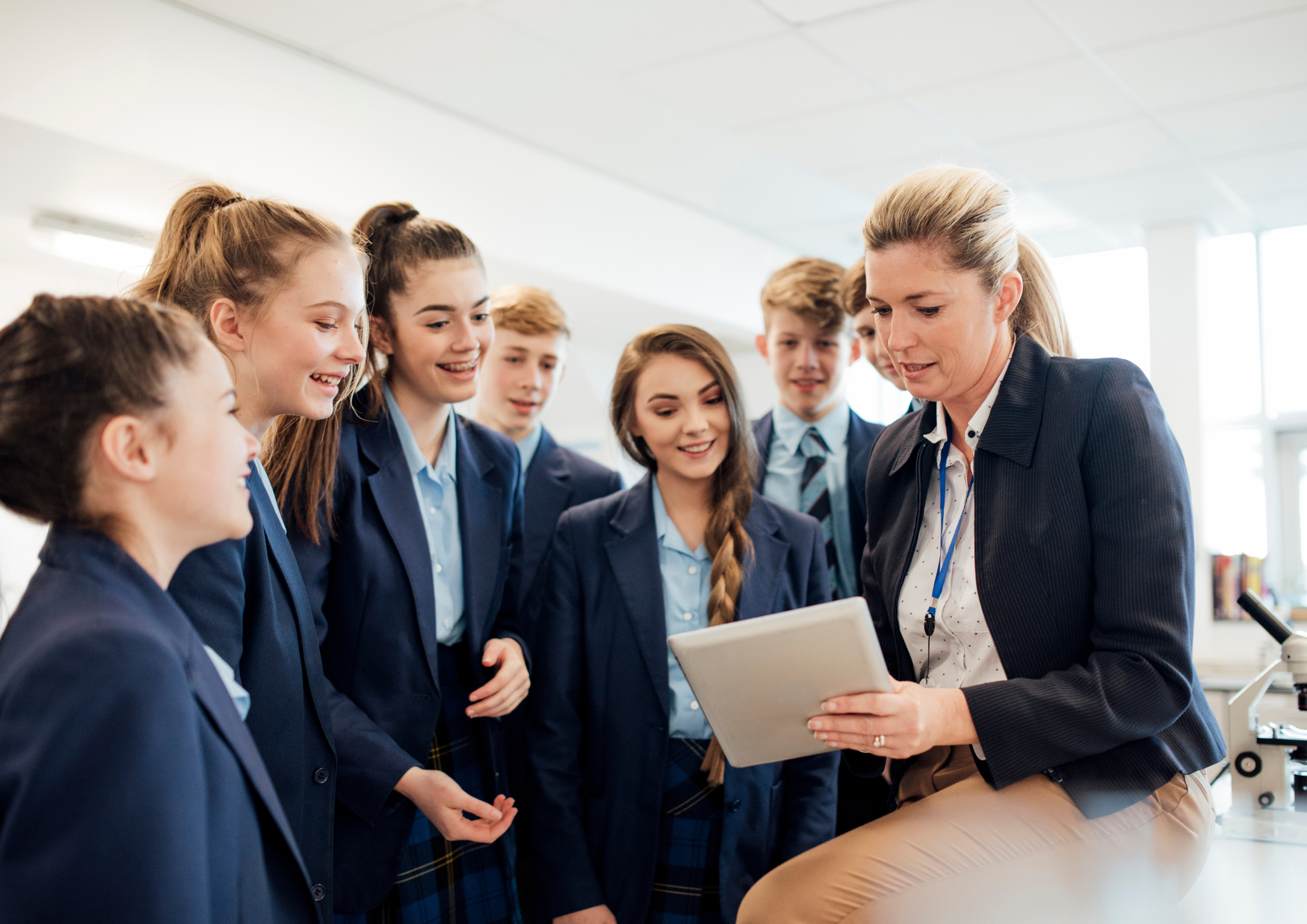
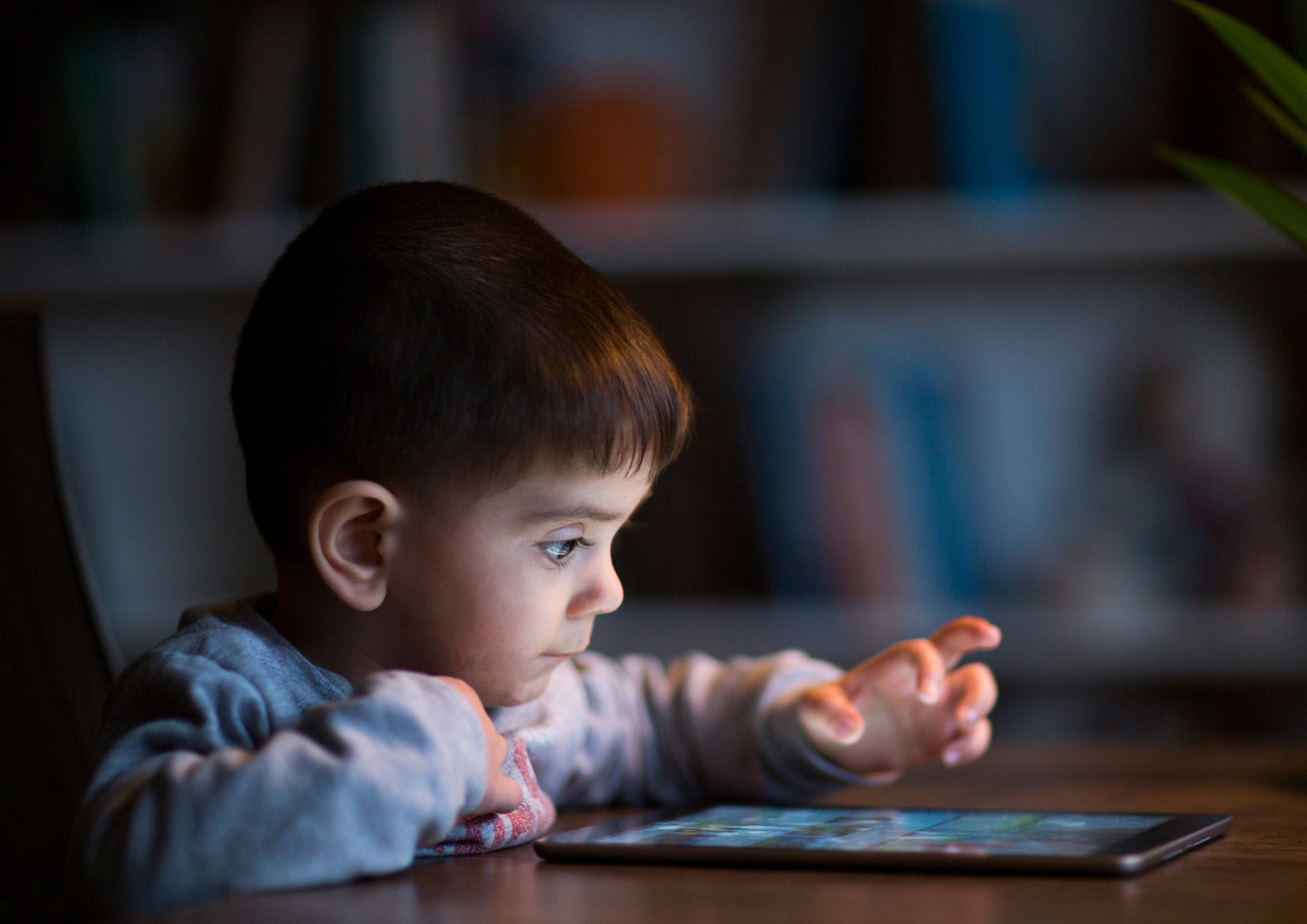
He imagines a near future in which the tools at a child’s desk look fundamentally different. A student, he suggests, will no longer have merely a small computer to work with, but an AI working alongside them, an always-available, endlessly patient partner that can adapt to how each child actually learns. The open question, and the one that clearly fascinates him, is how education reorganizes itself around that shift. “How are we going to integrate AI into everything we do?” he asks. “It’s not done yet. But what we’ve seen in the last four or five years is spectacular, and it’s going to accelerate.”
Optimism with guardrails
Chalopin is not blind to the ways any powerful tool can be misused, and he does not pretend the transition will be frictionless. His view is that the answer to the risks is not to retreat from the technology but rather to guide it, by enabling a sort of “AI inner Code of Conduct” that would foster a safe AI self-management, and, revealingly, that would lean on the very thing AI is best positioned to safely deliver.
“No system is ever perfect and it is clear that some people would have to be protected,” he says, “But, with this inner code of conduct, as AI becomes pervasive in education, we will hopefully have a means to instill good moral values in the generations to come.” The two go together in his thinking. A more educated world is a more resilient one, better equipped to use new tools well and to resist those who would use them for unethical purposes. Education, in other words, is more than one beneficiary of AI among many. It is also the safeguard that helps a society handle everything else AI brings.
A cause worth the optimism
There is a logic to a self-taught storyteller landing on this particular mission late in his career. Chalopin built his own knowledge without the benefit of much formal schooling, and he has spent a lifetime folding small lessons into the entertainment he made for children, from Inspector Gadget to his sweeping adventure sagas, and now a preschool series built to teach the youngest viewers about the world. The thread that runs through all of it is a belief that giving a child access to knowledge while fostering the development of the child’s imagination is among the most valuable things anyone can do.
AI, for Chalopin, is where that lifelong instinct meets a genuinely new capability. He is realistic about the hurdles and honest about the risks. But when he looks at 300 million children and young people on the wrong side of the education gap, and then at a technology finally cheap and capable enough to reach them, he sees exactly the kind of problem he has always been drawn to: an enormous, human challenge that, for the first time, looks solvable. For a lifelong optimist, it is the most energizing kind of problem there is, and he intends to be around to help solve it.