OpenAI Forum puts AI skills for polling professionals on the agenda
A Washington, DC workshop brought researchers together to explore automated workflows, learn from industry peers and examine the judgment needed to use AI responsibly
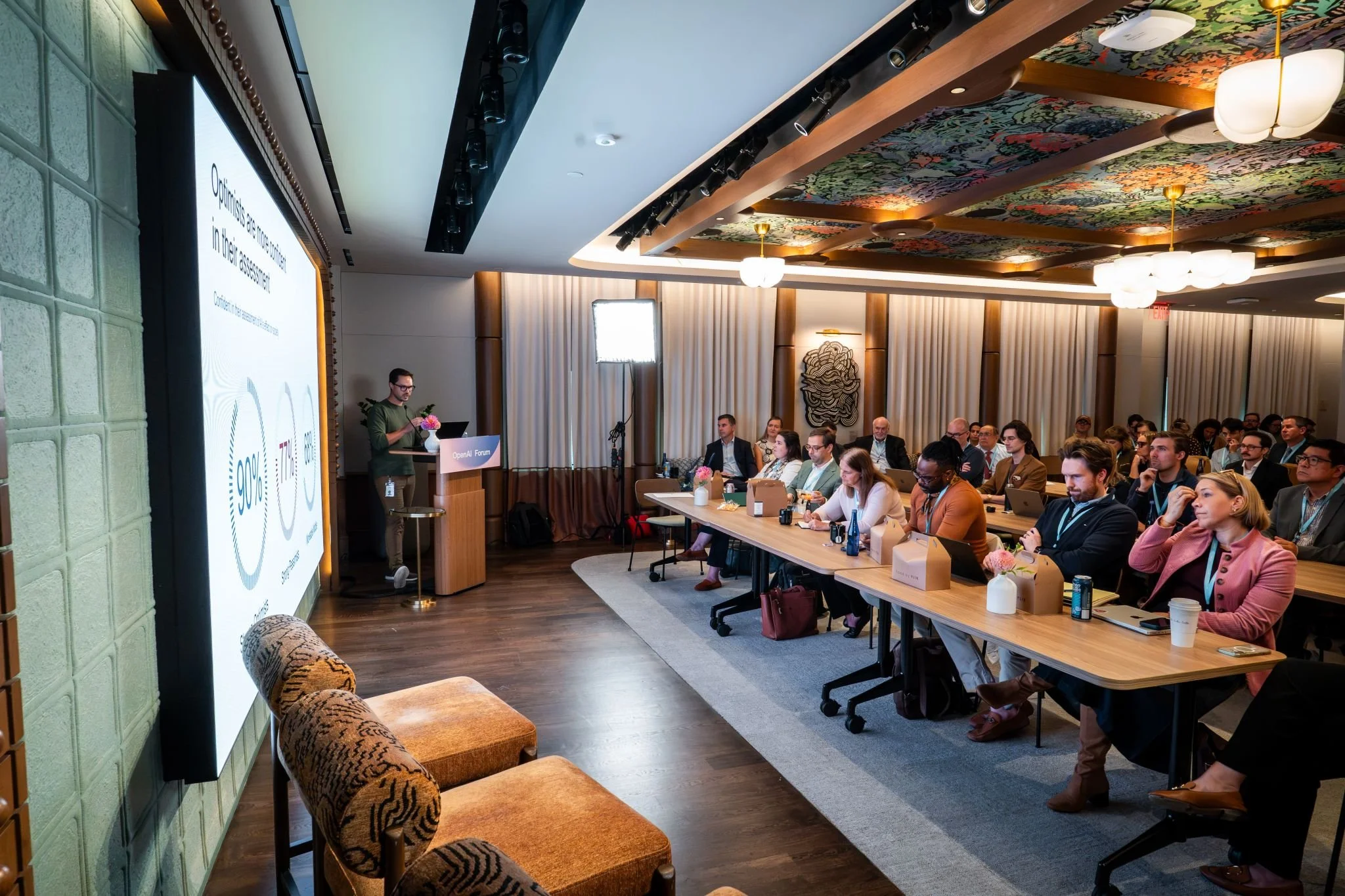
Polling professionals gathered at the OpenAI Forum in Washington, DC, to explore AI tools, research workflows and the skills needed to evaluate their results.
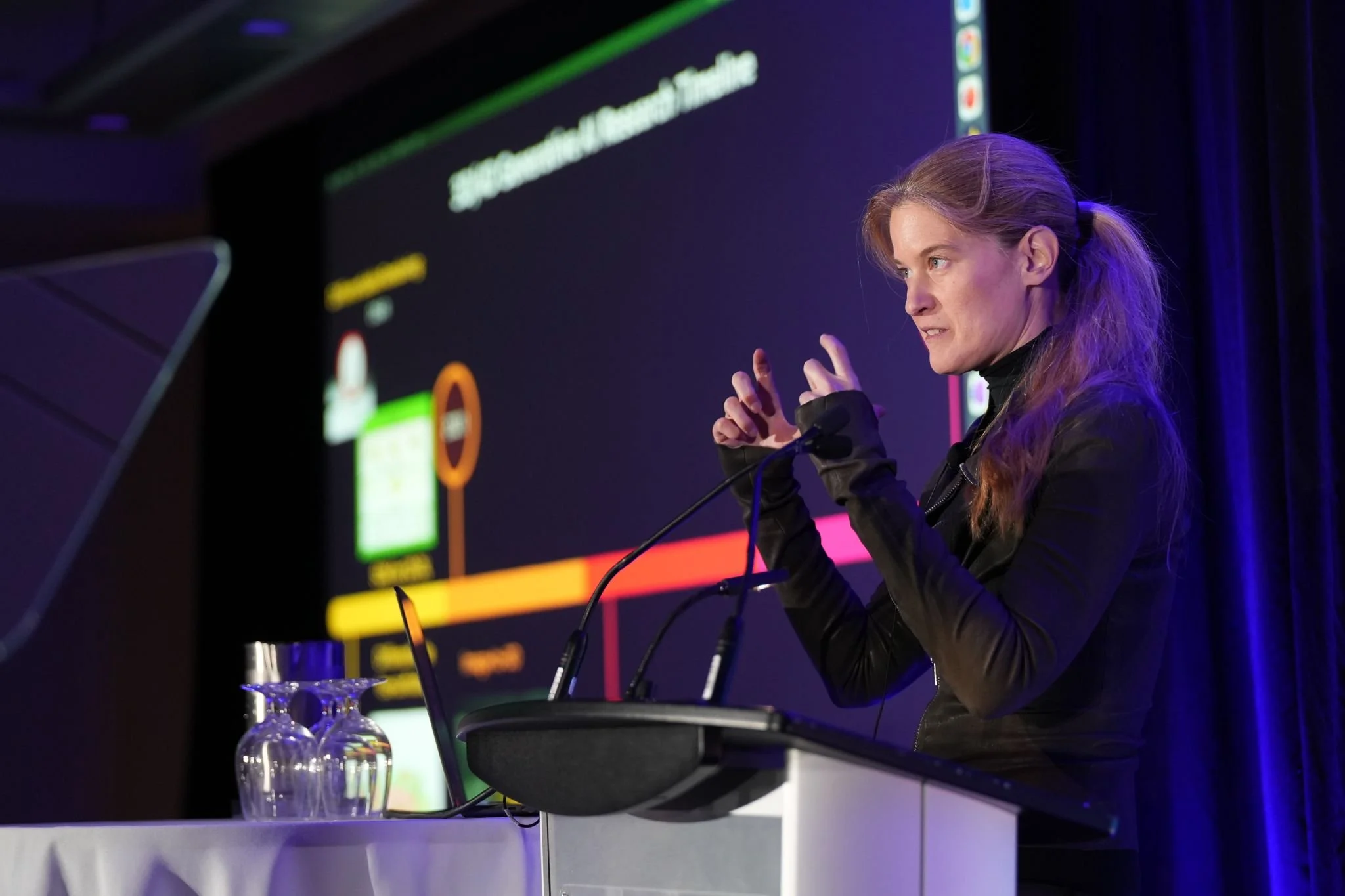
The OpenAI Forum gathered polling professionals in Washington, DC, for a workshop on incorporating AI into survey research, with demonstrations of automated polling trackers and conversational data analysis alongside discussion of how researchers’ skills need to evolve.
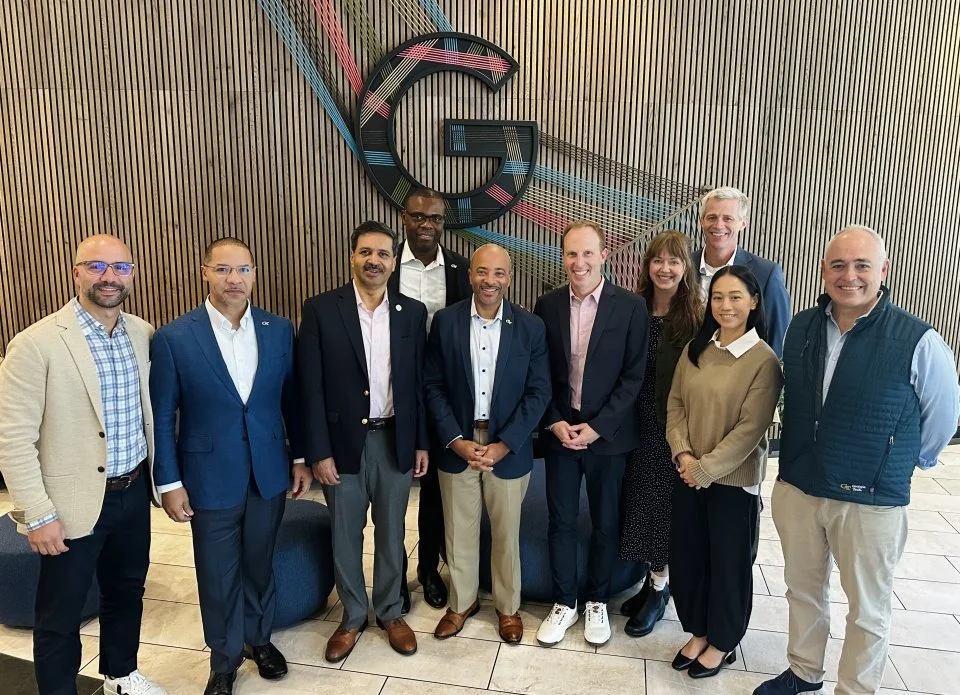
Participants heard from practitioners at OpenAI, TrueDot, Gallup and Cygnal about tools they were already using or testing. The sessions connected practical workflow changes with questions about professional judgment: how to check results, choose appropriate research methods and explain AI’s role in producing evidence.
Opening the event, OpenAI Consultant Michelle Jaconi set two goals for attendees: learn something that could improve their work and meet someone whose expertise they could continue learning from. She described the workshop space as somewhere professionals were invited to help shape the conversation about AI.
That approach carried through demonstrations by experienced pollsters who had built tools around tasks they knew firsthand, from searching lengthy results tables to keeping track of newly published surveys.
Turning familiar research tasks into AI workflows
Lucas Stockslader, who leads primary research for Global Affairs Insights at OpenAI, presented an AI sentiment tracker built and automated through Codex. It collects results from public pollsters including Marist, Pew and Gallup.
The tracker also illustrated why research expertise remains necessary. Stockslader explained that measures of public attitudes toward AI vary with question wording and the population surveyed. Asking whether risks outweigh benefits, for example, is different from asking whether AI does more harm than good.
OpenAI Editorial Director Mark Murray offered another example drawn from his previous career overseeing polling at NBC News. He described using ChatGPT and Codex to compile a weekly collection of new public polls, including links, results tables and summaries, delivered to his inbox for review.
According to OpenAI, interest in these applications extends beyond professional researchers. In its LinkedIn account of the workshop, OpenAI Global Affairs said: “Tens of thousands of users query ChatGPT daily for polling information and methodology.”
Jon Cohen, Founder and CEO of TrueDot, demonstrated how TrueDot Connect lets users query polling data within ChatGPT using plain language. A former Washington Post Polling Director and SurveyMonkey Chief Research Officer, Cohen contrasted the experience with searching hundreds of pages of tables under newsroom deadlines.
Cohen also showed how AI could help researchers explore historical records that once required manual digitization. He recalled coding California polls from binders during graduate school.
“I've now, with Codex and TrueDot, created a California aggregate file of more than a million cases from 1956 to 2026,” he said. “I have a hard time pulling myself away from the dataset.”
He described using the combined records to investigate how political affiliation and statistical weighting had changed over decades, extending the scope of the questions he could ask.
For professionals beginning to use AI, Cohen emphasized bringing their existing expertise to the process and refining their approach through repeated use. “Anyone can produce numbers using these tools,” he told the workshop. His advice centered on checking whether the systems accurately reflected data researchers understood.
Building literacy alongside technical capability
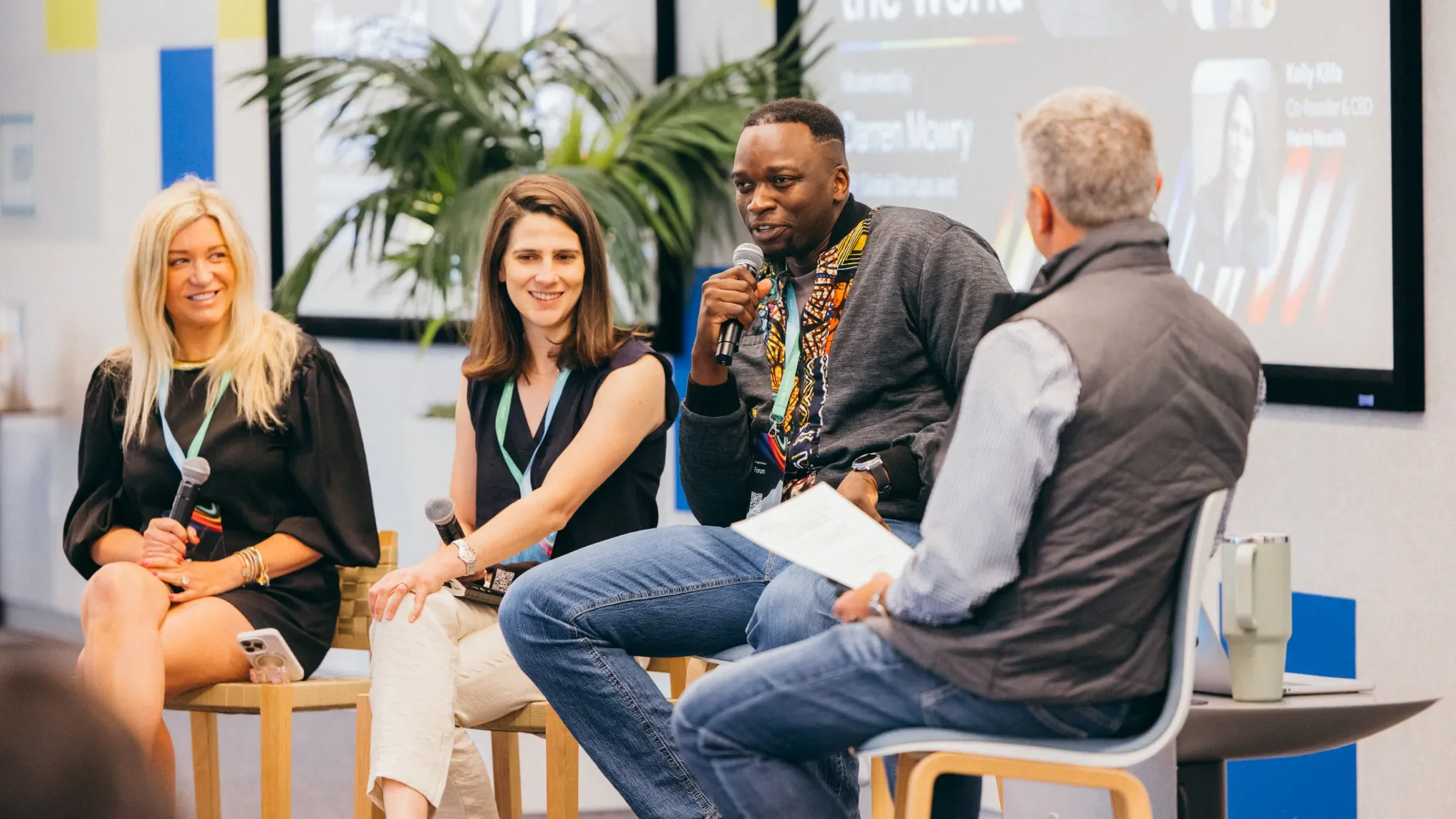
A discussion moderated by Murray brought together Cygnal Founder and CEO Brent Buchanan and Gallup Managing Director Ilana Ron-Levey to examine how AI could change survey work.
Ron-Levey described uses before and after data collection, including finding previously validated survey questions, supporting literature reviews and experimenting with qualitative research processes. She also called for researchers to share more about their experiments.
The discussion extended to the skills needed by people consuming polling results. Buchanan argued that journalists need to examine sample composition and methodology, rather than relying on headline findings.
Ron-Levey warned that making polling data easier to query could contribute to misinformation if users could not distinguish a strong survey from a weak one.
“So maybe part of the equation is a little bit more public literacy in the fundamentals of polling so that people can evaluate for themselves,” she said.
Transparency was another professional responsibility under discussion. Ron-Levey warned: “And I think it just takes a few bad actors to not disclose when AI was used or try to pass off synthetic data as human that can really erode trust.”
“I think responsible actors in the survey research industry understand that this whole industry is predicated on complete transparency about methods,” she added.
What interviewing experiments reveal
The workshop also gave attendees examples of where adopting AI requires more than learning to operate a tool.
Gallup has conducted more than 500,000 AI voice surveys across four continents, according to Ron-Levey. It is comparing responses with those collected by human telephone interviewers and through self-administered panels, without a commitment to replace human interviewers.
Cygnal’s experience showed a different constraint. Buchanan said its AI interviewer successfully followed survey instructions, but the firm shelved a US trial after the process of obtaining consent pushed phone costs to at least twice those of regular calls, before AI costs were included.
Gallup is continuing to examine which questions AI phone interviews can answer accurately and whether people who consent to them differ systematically from those who refuse. Ron-Levey said the organization expected to share further findings at the next American Association for Public Opinion Research conference.