Biohub, Google DeepMind, and Meta expands $1.8 billion effort to build virtual cells for disease research
Biohub, Google DeepMind, Isomorphic Labs and Meta are committing $300 million as US agencies contribute funding, computing resources and existing biological datasets
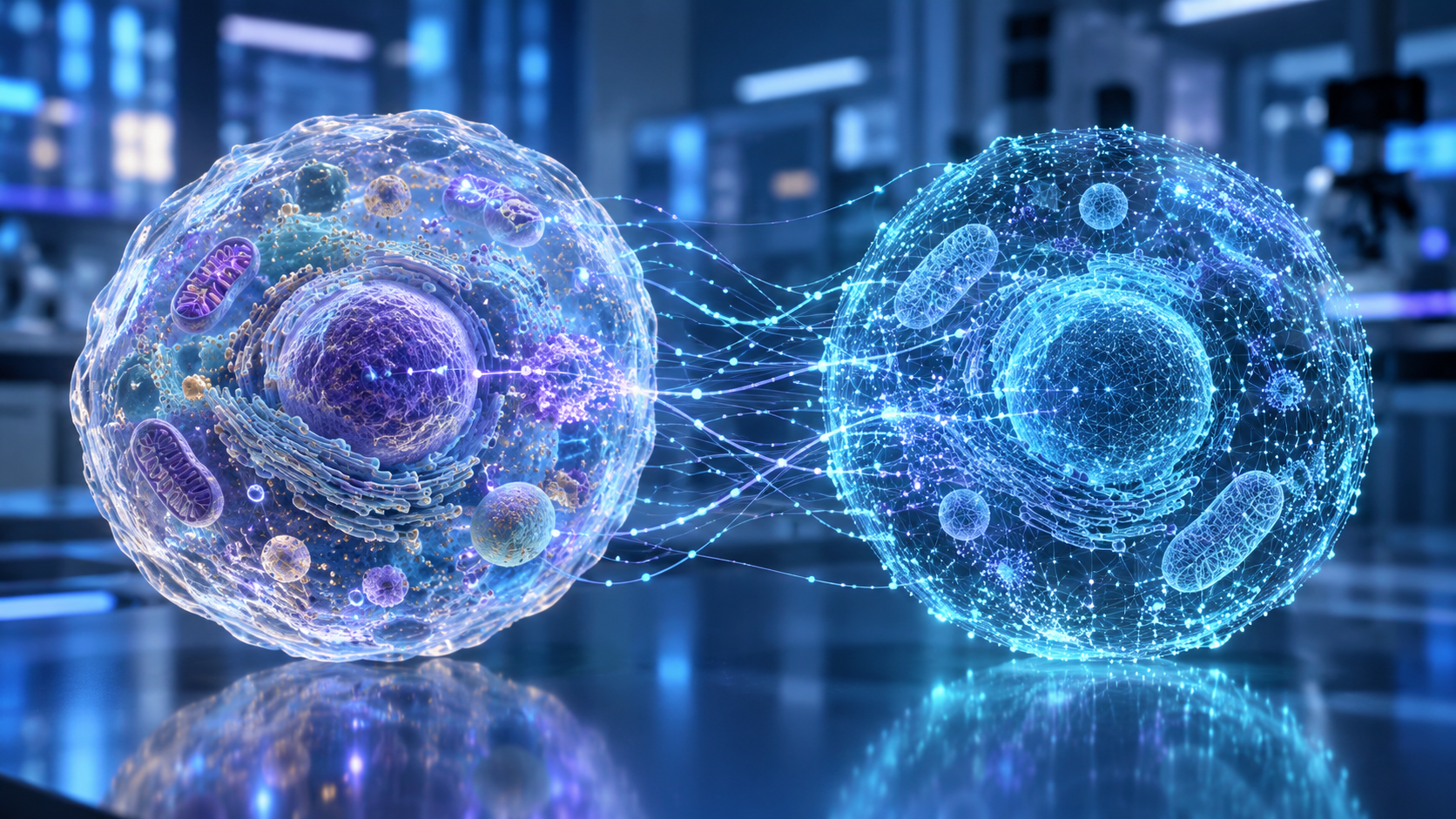
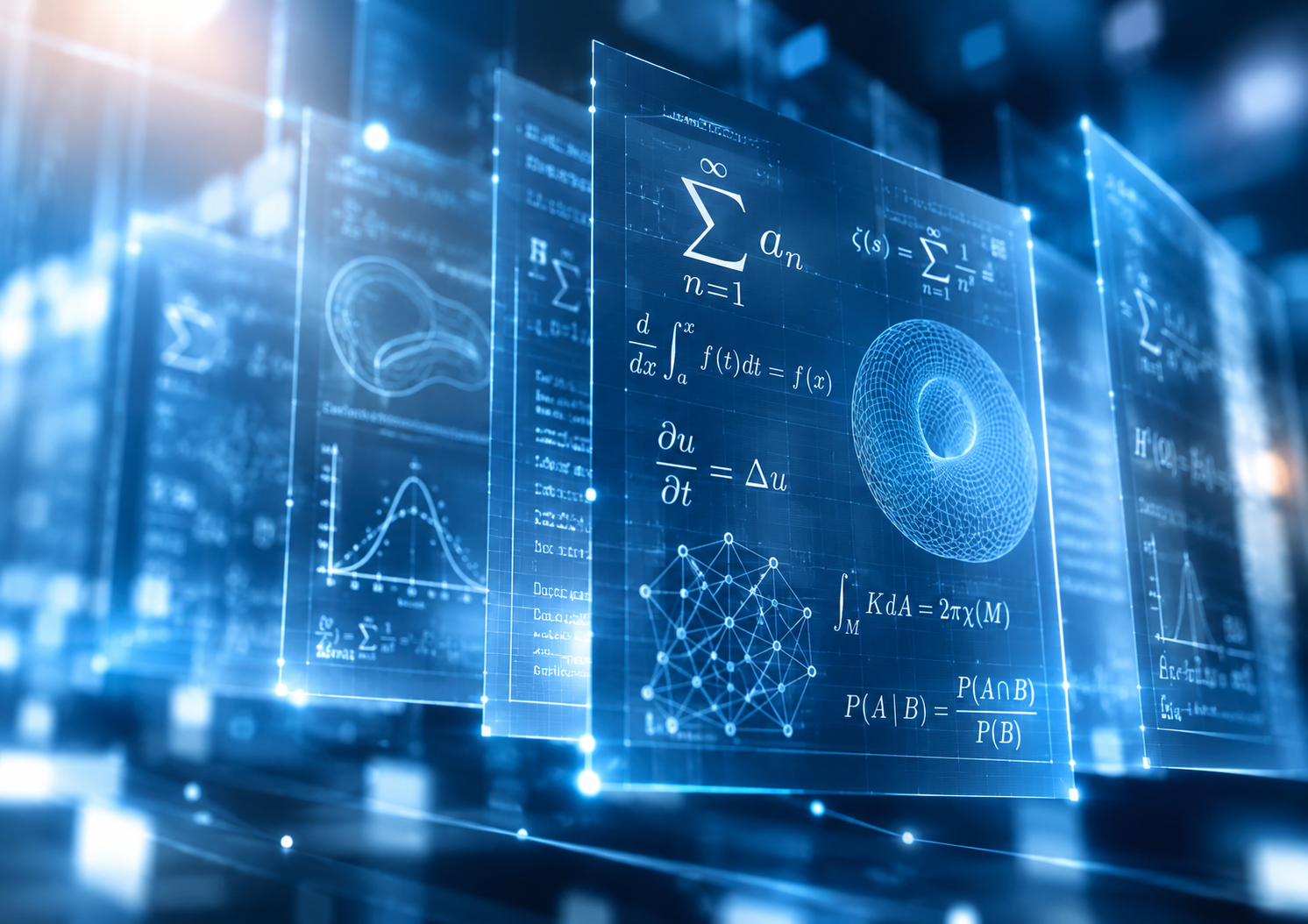
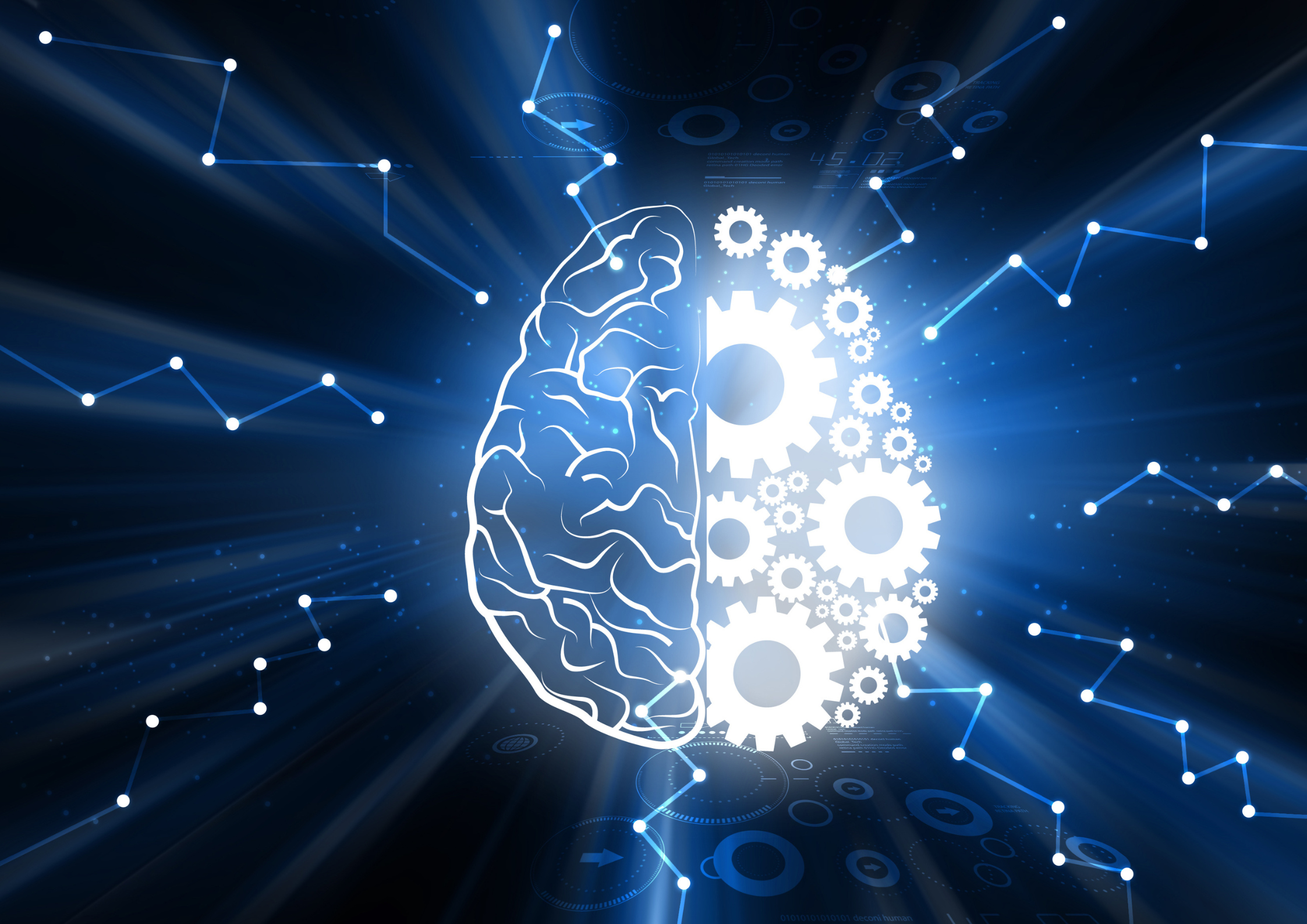
Conceptual illustration of virtual-cell research. Biohub and its partners aim to build open biological datasets for predictive AI models.
Biohub and others have announced an expansion of an international effort to build AI models that could predict how cells respond to interventions, bringing together US research agencies, technology companies and scientific institutions to create an open biological data resource.
The announcement puts the combined commitment at $1.8 billion across funding, data, computation and measurement technology. That total includes Biohub’s previously announced $500 million commitment and datasets developed through more than $500 million in earlier federal investment, alongside new contributions.
The goal is to give researchers the data needed to develop “virtual cells”: predictive models that would allow scientists to investigate biological questions digitally. The initiative aims to support disease research by measuring how more cell types respond under a wider range of conditions.
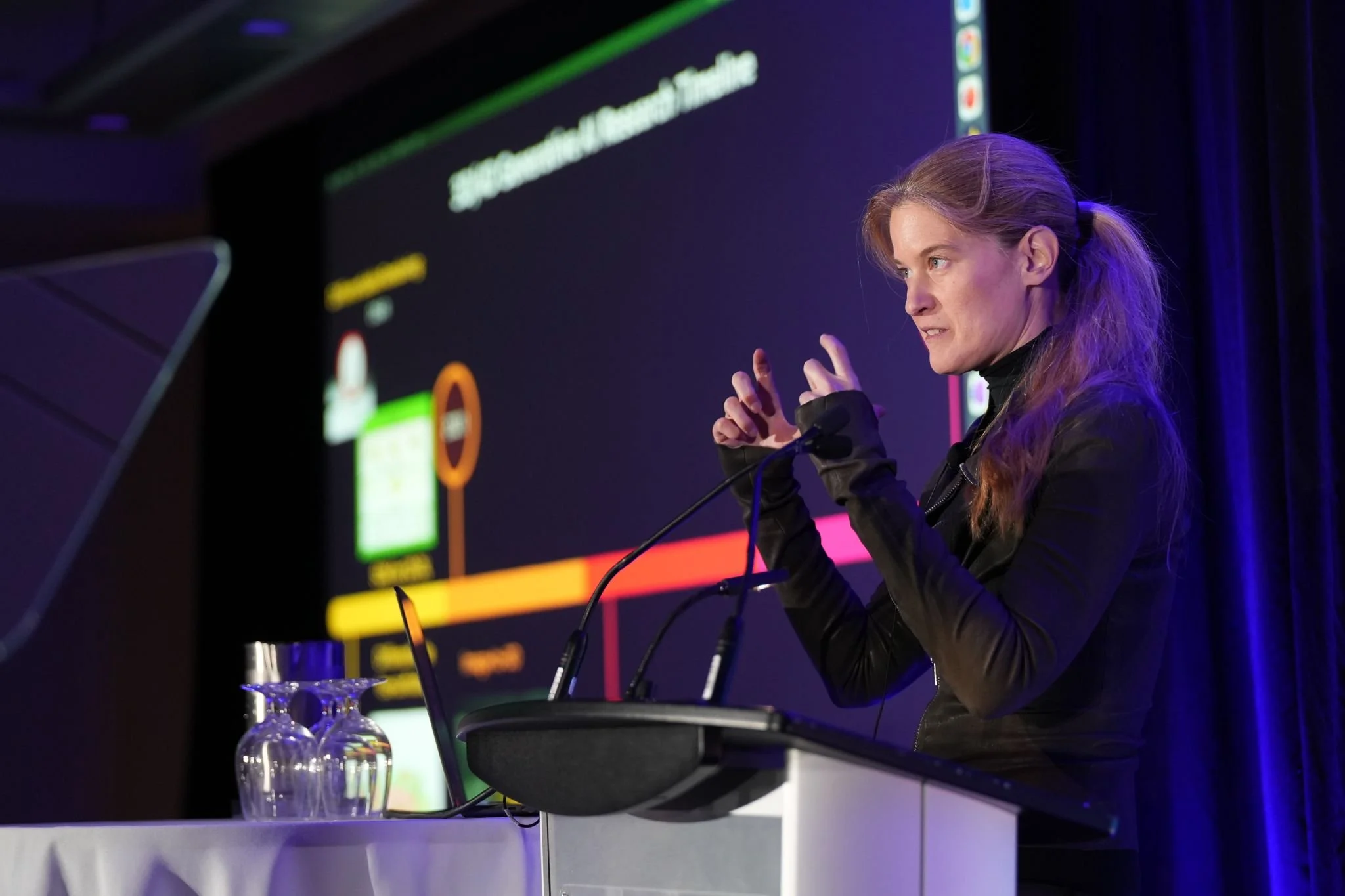
“An accurate predictive model of biology could dramatically accelerate scientific discovery by enabling scientists to perform experiments digitally,” says Alex Rives, Head of Science at Biohub. “The insights that come from this could unlock a far greater understanding of disease and open up completely new paths for cures.”
Where the commitments will go
Google DeepMind, Isomorphic Labs and Meta are collectively investing $300 million in the Virtual Biology Initiative, which Biohub announced in April 2026. Their contribution will support measurement technologies and datasets combining different types of biological information.
The US Department of Energy (DOE) will invest more than $500 million over five years in cell research, data collection, AI analysis, imaging, modeling and computation. Through its Genesis Mission, the department will draw on supercomputers, specialist imaging facilities and autonomous laboratories across the National Laboratory system.
The National Institutes of Health (NIH) will coordinate contributions of existing datasets, repositories and knowledge bases developed through more than $500 million in prior federal investment. Biohub will work with NIH to standardize those resources for AI training.
Biohub’s founding commitment allocates $400 million to technologies that expand what researchers can measure. These include methods for examining structures inside cells, imaging large numbers of cells in living tissue and engineering biological changes at scales ranging from molecules to whole organisms. A further $100 million supports research outside Biohub.
“Generating the data to solve predictive systems biology requires scaling past the limits of what any single organization can produce today,” says Max Jaderberg, President of Isomorphic Labs.
An open resource for researchers
Making the datasets usable together is a central part of the work. Biohub is developing shared standards, common identifiers and a single access point so researchers can work across resources generated by different institutions.
In its LinkedIn announcement, Biohub stated: “The result will be an open resource for the research community that provides the foundation for greater understanding and, ultimately, treatment of human diseases.”
Scientific collaborators include the Allen Institute, Broad Institute, Gladstone Institutes, Human Cell Atlas, Human Protein Atlas and Wellcome Sanger Institute. They will help develop research strategies through the Virtual Biology Initiative and related independent efforts.
NVIDIA will contribute computing infrastructure, specialist software and technical expertise. Renaissance Philanthropy is working to expand funding for data generation.
The project builds on Biohub’s experience with open datasets and research infrastructure, including Tabula Sapiens, OpenCell, Zebrahub, CELLxGENE and the CryoET Data Portal.
Building the data before the models
The announcement concerns the resources needed to develop predictive biology models. It does not report a completed universal cell model or demonstrated improvements in disease treatment.
The planned measurements will capture cellular responses to interventions across more cell types and conditions. Partners will also develop and validate technologies for studying cells and their interactions at greater scale.
“The quest to build a virtual cell is one of the great collective scientific challenges and key to understanding the mechanisms of life,” says Pushmeet Kohli, Vice President, AI for Science at Google DeepMind and Chief Scientist at Google Cloud. “We will not solve this challenge without open, experimental biological data at an unprecedented scale, showing how living cells behave and respond to changes.”
Biohub is inviting the worldwide scientific community to participate. DOE’s contribution will run over five years; the announcement does not specify a release date for the unified data resource.