Queen University Belfast opens £100m ‘Factory of the Future’ for AI, robotics and advanced manufacturing
The Advanced Manufacturing Innovation Centre in Newtownabbey is expected to support up to 1,500 jobs, train 300 apprentices and contribute £1.3bn to Northern Ireland’s economy by 2050
Queen’s University Belfast has officially opened AMIC’s Factory of the Future at Global Point in Newtownabbey. Photo: Queen’s University Belfast
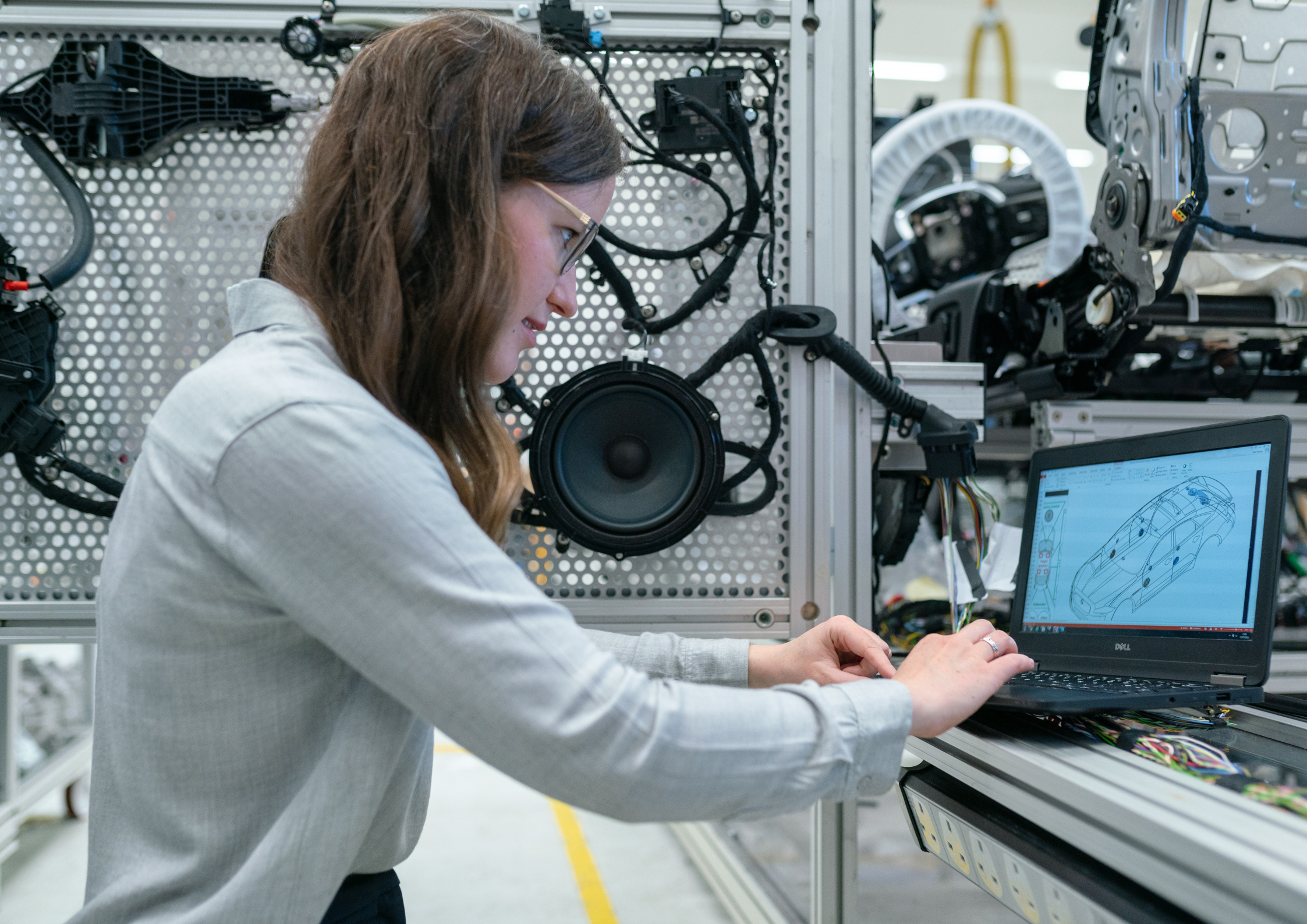
Queen’s University Belfast has officially opened its almost £100 million Advanced Manufacturing Innovation Centre (AMIC), giving manufacturers access to technologies including artificial intelligence, robotics, automation and digital twins without having to build those capabilities in-house.
Based at Global Point in Newtownabbey, the new Factory of the Future has been operating since April and is backed through the Belfast Region City Deal. It is expected to create up to 1,500 jobs across Northern Ireland, contribute £1.3 billion to the economy and support the training of 300 apprentices by 2050.
AMIC brings specialist engineering teams, research facilities and industry partners together in one location, with businesses able to test technologies before committing to their own investment.
Its engineers are already working across robotics and automation, advanced materials, digital twins, AI, advanced metrology and machining, alongside projects focused on energy efficiency, renewable energy and more sustainable use of resources.
The center has been developed in response to the needs of Northern Ireland’s advanced manufacturing sector, with companies and industry partners involved in shaping its capabilities.
Professor Sir Ian Greer, President and Vice-Chancellor of Queen’s University Belfast, says the model is intended to connect university expertise more directly with the problems manufacturers are trying to solve:
“Universities have an important role to play in supporting local businesses to innovate and adapt, and by bringing together academic expertise and industry experience, AMIC enables us to work directly with manufacturers to address real-world challenges.”
He adds: “This close collaboration is central to how Queen’s contributes to Northern Ireland’s future and is a key component of the Belfast Region City Deal programme of investment.”