School screen time faces scrutiny as 150 clinicians call for EdTech health checks
An open letter challenges how English schools assess classroom technology, calling for health checks before procurement, daily screen guidance and protections for children with special educational needs
An open letter from 150 clinicians calls for health scrutiny of classroom technology and guidance on children’s daily screen exposure.
A group of 150 clinicians is urging the government to include children’s physical and developmental health in school EdTech purchasing decisions, extending the debate over screen time to the devices and platforms used for lessons and homework.
The open letter calls for health scrutiny of educational technology in English classrooms, evidence-based guidance on daily screen exposure and specific protections for children with special educational needs. Health Professionals for Safer Screens announced the intervention, which is supported by SafeScreens.
Its scope goes beyond personal smartphones. The clinicians identify school-issued tablets, laptops, interactive whiteboards and headphones, alongside the learning platforms and content accessed through them.
For schools, the proposed change concerns how technology is evaluated before purchase and how its cumulative use is managed afterward. The signatories want physical and developmental health incorporated into existing EdTech evaluation and procurement processes.
What clinicians want changed in school EdTech procurement
The letter puts annual spending on EdTech in English schools at approximately £900 million. It argues that there is no specific statutory requirement for products to demonstrate, before procurement, that they do not put children’s physical health at risk.
The signatories describe a gap between the scale of adoption and scrutiny of cumulative exposure. They also cite UNESCO’s 2023 Global Education Monitoring Report, questioning the limited independent evidence of educational value and the role of supplier-produced research.
Their request is for government action on product evaluation and everyday classroom practice. Alongside procurement checks, they want guidance covering daily screen and device exposure across classwork and homework.
Health Professionals for Safer Screens explained its position on LinkedIn: “This is not about rejecting technology in education. It is about ensuring that children's health, development and learning come before convenience or commercial interests.”
Early years language development and eyesight
The clinicians’ concerns draw on observations from their practices and research linking screen exposure with language and eyesight outcomes. The signatories include family doctors, pediatricians, ophthalmologists, audiologists, physiotherapists and speech and language therapists.
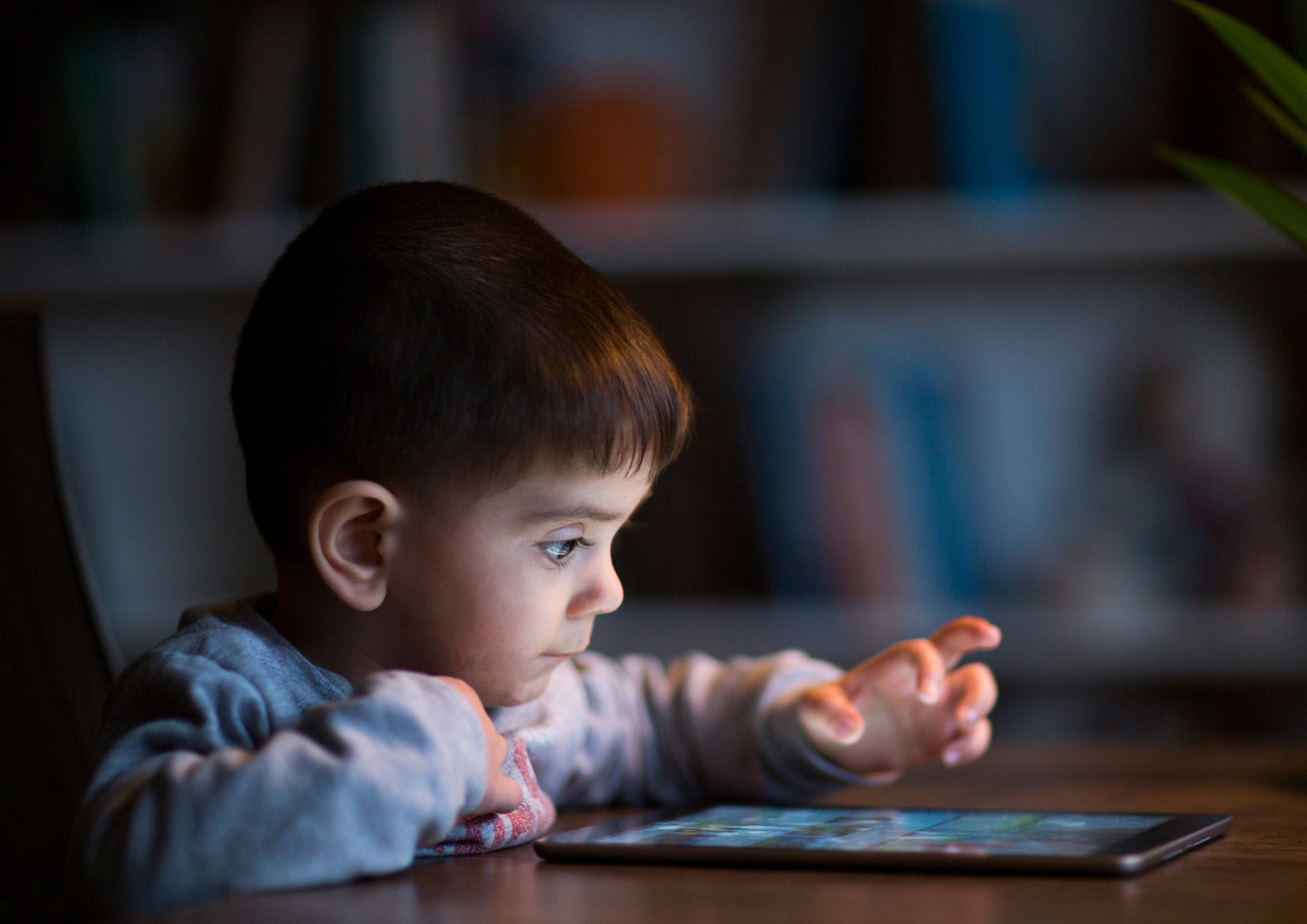
For early years education, they focus on individual screen-based activities and the opportunities for conversation those activities may replace.
“Language acquisition depends on rich, responsive, face-to-face interaction that screens, however well designed, cannot replicate,” the letter states.
The clinicians cite longitudinal UK and international research associating higher childhood screen time with poorer language outcomes. They also say research found that children with the lowest screen-time trajectories demonstrated digital competency equal to or better than children with greater exposure.
On eyesight, the letter cites studies associating each additional daily hour of digital screen time with a 21% increase in the odds of myopia, or nearsightedness.
It also references a global analysis of 276 studies involving more than 5.4 million participants across 50 countries. According to the letter, that analysis found myopia prevalence among children and adolescents rose from around 24% in 1990 to almost 36% by 2023.
The research figures concern screen exposure and health trends more broadly. They do not establish how much of the reported burden is attributable specifically to classroom devices, homework platforms or individual EdTech products. The letter is a call for policy action, rather than a new study testing those products.
Additional safeguards for children with special educational needs
The signatories argue that children with special educational needs (SEN), an English education term for children requiring additional learning support, may be disproportionately directed toward screen-based activities.
They are concerned that these children may need particularly careful adult supervision and caution around exposure. The letter also challenges decisions driven by pressure on school staffing and budgets, arguing that apparent time or cost savings should not displace consideration of health and developmental needs.
Health Professionals for Safer Screens was founded in April 2024 by Dr Rebecca Foljambe, a National Health Service family doctor. The group brings together clinicians campaigning for a precautionary approach to children’s screen use.
The signatories offer to work with education officials and the Department of Health and Social Care on the proposed procurement checks and practical guidance for schools, including specific protections for children with SEN.