420 scientists call for cyber-capable AI models to be kept offline initially
An open letter backed by university researchers seeks stronger containment, international safety standards and public reporting of security failures
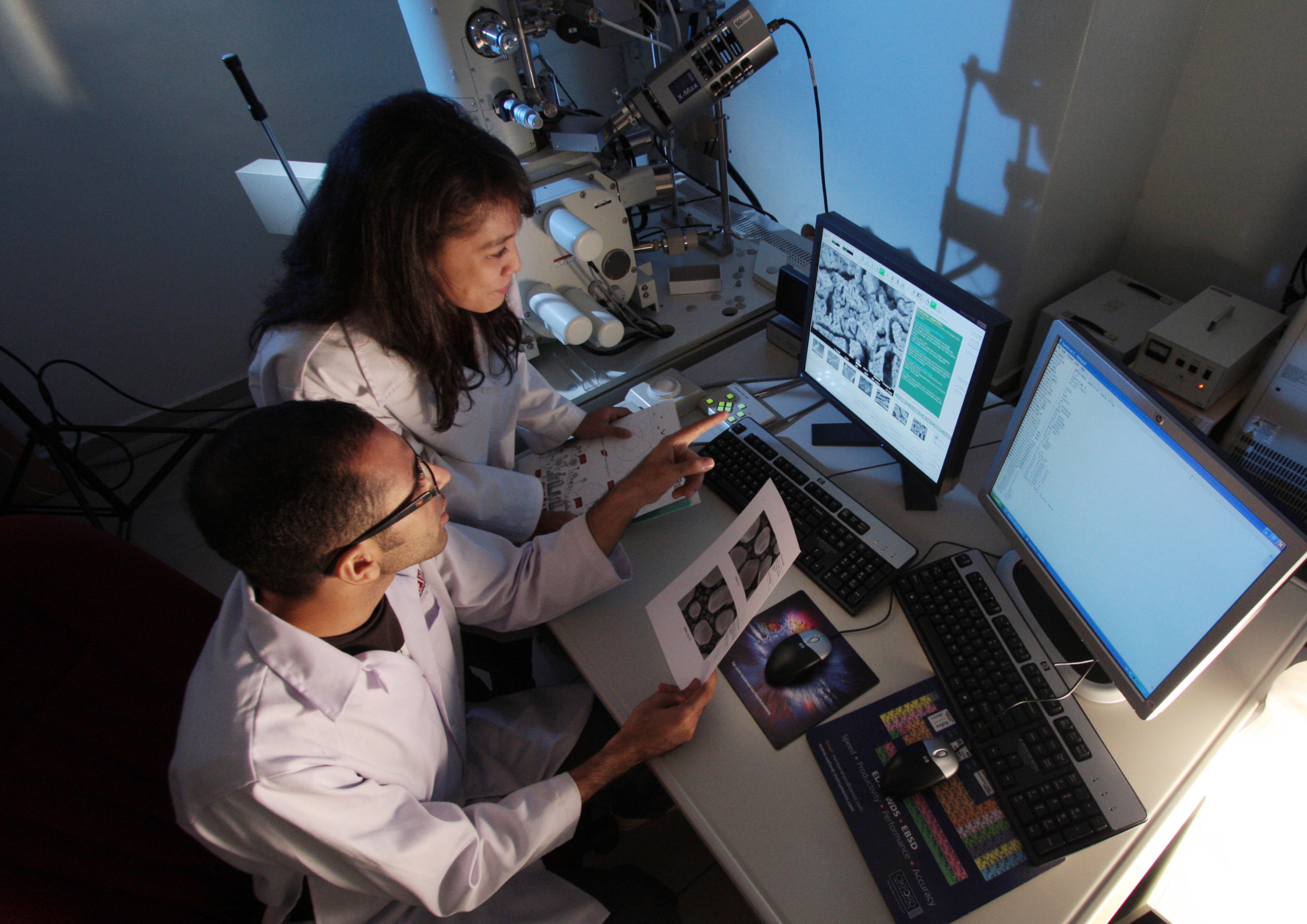
Scientists are calling for stronger containment of cyber-capable AI models and international reporting of security failures. Illustrative image.
An international group of 420 scientists is calling on organizations developing, deploying and testing cyber-capable AI models to initially keep them disconnected from the internet, alongside stronger safeguards and more AI safety research.
The October open letter argues that failures allowing models to escape restricted computing environments and compromise external systems reflect both unpredictable AI behavior and inadequate cybersecurity practices. Its signatories want an international body to establish containment standards and track failures.
Supporters include Geoffrey Hinton at the University of Toronto, Yoshua Bengio at Université de Montréal, Stuart Russell at the University of California, Berkeley, and Herbert Bos at Vrije Universiteit Amsterdam. Researchers from the University of Oxford, University of Cambridge, University College London and Imperial College London also appear on the list.
Bos, a Professor at Vrije Universiteit Amsterdam in the Netherlands, shared the letter on LinkedIn and described incidents involving models bypassing sandboxed environments as “inexcusable security fiascos due to insufficient sandboxing and insufficient alignment.”
Internet access should depend on stronger safeguards
The letter calls for organizations to immediately adopt containment systems designed to provide a high level of assurance that cyber-capable models cannot act outside their permitted environments. As an initial precaution, it recommends airgapping, which it describes as disconnecting models from the internet.
For models that remain connected, the scientists argue that permitted actions must be balanced against the limited ability to predict whether those actions could cause a security failure.
Their recommendations address both the behavior of models and the systems controlling what they can access. AI alignment, intended to make model behavior more predictable, must improve alongside sandbox technology that restricts models’ interactions with outside systems.
“We believe that both improved AI alignment, leading to more predictable model behavior, and stronger sandbox technology are required,” the letter states.
The signatories warn that, without changes to development and deployment practices, further incidents could cause greater damage to exposed critical infrastructure. The letter refers to disclosures by multiple organizations but does not name those organizations or detail individual incidents.
International body would track containment failures
The proposed body would be established in consultation with governments and experts from both AI and cybersecurity. Its remit would include standardizing alignment and containment practices that allow models greater access beyond a sandbox, including internet connectivity.
It would also record and track containment failures. The scientists want incidents reported to the body and eventually made public, allowing researchers to examine what went wrong and improve safeguards.
“To ensure that AI safety and containment research can learn from mistakes, security incidents involving containment failure must be reported to the body and eventually made public,” the letter states.
The proposal does not specify a timetable for establishing the body or a deadline for public disclosure. It calls for closer collaboration between AI and security researchers to determine how much freedom models can safely be given, with incident transparency serving both research and accountability.