Penn State backs AI projects for multilingual readers and older adults
Eight faculty-student teams will work with Pennsylvania community partners on research spanning education, health access, digital opportunity and local policy
Penn State’s latest public impact research awards support eight faculty-student teams working with community partners across Pennsylvania.
Penn State has selected projects on AI-supported multilingual reading and older adults’ AI health literacy among eight recipients of its 2026 McCourtney Presidential Public Impact Research Awards. The teams pair faculty and students with Pennsylvania schools and community organizations to investigate challenges identified locally.
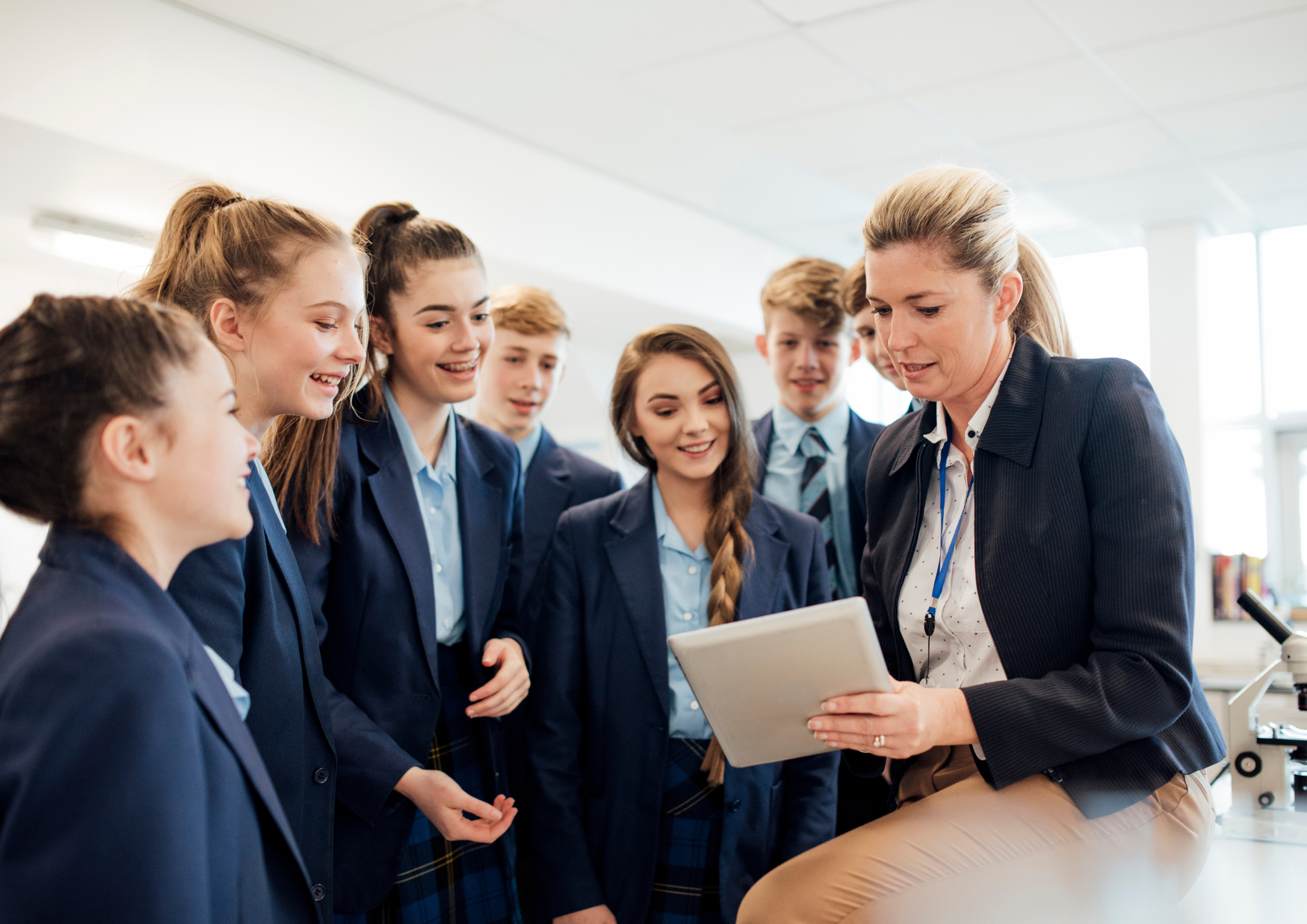
At Penn State Abington, researchers will work with Solis-Cohen Elementary School in the School District of Philadelphia on multilingual reading development through school-university partnerships and human-centered AI tools.
A separate team at Penn State Harrisburg will focus on AI health literacy among older adults, working with The Salvation Army, YMCA, Latino Hispanic American Community Center and Osher Lifelong Learning Institute.
The awards form the program’s third cohort since its establishment in 2024. Students will contribute as researchers, with opportunities to develop professional skills and help turn findings into practical approaches for community partners.
Reading support and community perspectives on AI
The multilingual reading project brings together Roxanna Senyshyn, Associate Professor of Applied Linguistics and Communication Arts and Sciences, and Teri Dodaro, Lecturer and Field Experience Coordinator in elementary and early childhood education, at Penn State Abington.
At Harrisburg, Sara Imanpour, Seth Wright and Ana Patricia Aguilera-Hermida will lead the older-adult health literacy project, combining expertise in health administration, political science and public policy, and human development and family studies.
Community views on technology are also the subject of a Penn State Behrend project with Fifth Estate Growers LLC. Tiffany Petricini, Thomas Deau and Russell Martin will examine perspectives on AI, data centers and digital opportunity in Pennsylvania.
“As PPIRA continues to expand, we look forward to supporting new ideas, strengthening community partnerships and creating more opportunities for students to see how research can make a difference beyond the University,” says Michael Donovan, Associate Director of the Evidence-to-Impact Collaborative, which administers and evaluates the program.
Schools and public services shape the wider research
Two further awards focus on education. Behrend’s Michelle Cook and Pat Kelly will work with the Eagle’s Nest Program of Academic Distinction and Erie Public Schools on a Community Scholars’ Learning Laboratory.
At Abington, Nicole Stokes and Michael Bernstein will partner with the Pennsylvania Council for International Education on research intended to help school administrators navigate difficult community conversations and reduce conflict amid political and social polarization.
Other teams will examine health equity through mobile clinics in North Philadelphia with One Day at a Time, and the detection of harmful algal blooms with the Pocono Lake Ecological Observatory Network.
The eighth project brings together Nonna Sorokina at Penn State Scranton and Maung Min at Penn State Lehigh Valley with Invest in Future Development Research and Education to examine the effectiveness and local outcomes of right-to-farm legislation.
Penn State’s Center for Applications of AI/ML to Industry highlighted Sorokina’s involvement on LinkedIn, describing the cohort as “partnering with community organizations across the state to address locally identified challenges.”
Philanthropy supports the program
The awards were developed through Penn State’s Presidential Strategic Initiative for Public Impact Research, involving the Office of the President, the Office of the Senior Vice President for Research and the Evidence-to-Impact Collaborative.
An endowed gift from Tracy and Ted McCourtney supports the program’s continuing work with faculty and community partners.