The former Harvard Dean of Science becomes the trust's first physicist, bringing experience in scientific research, AI and national security to a body with significant influence over Anthropic's governance
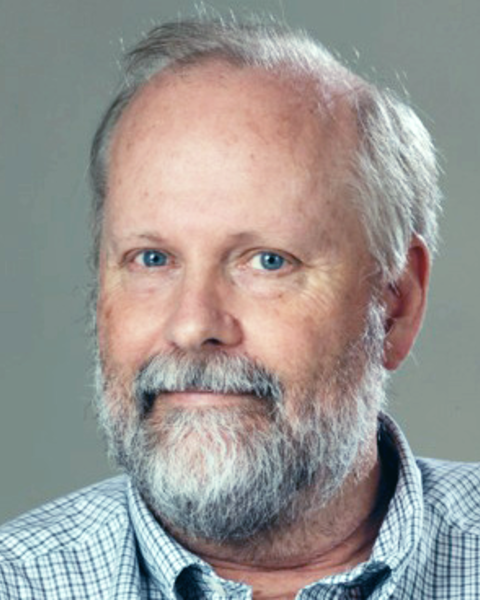
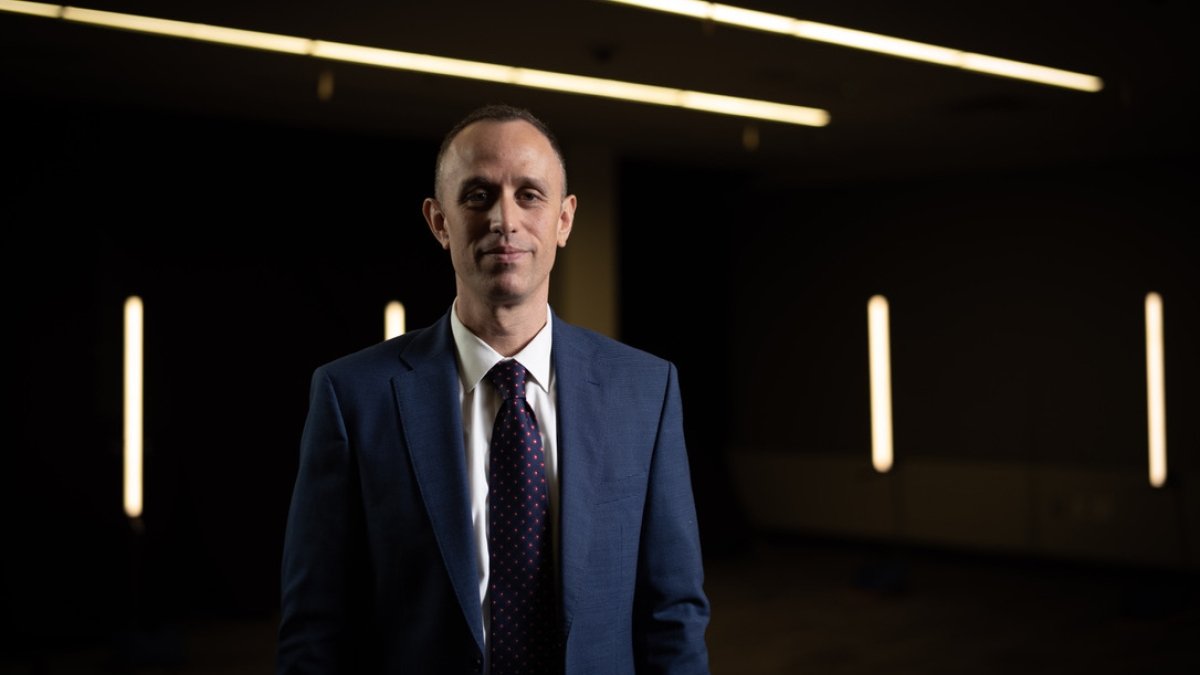
Christopher Stubbs, Professor of Physics and of Astronomy at Harvard University, has joined Anthropic's Long-Term Benefit Trust
Anthropic has added Harvard University physicist Christopher Stubbs to its Long-Term Benefit Trust, an independent governance body with the authority to appoint a majority of the AI company's board and advise on decisions involving AI safety and societal risks.
The appointment brings scientific and academic expertise to the trust as Anthropic expands its public accountability commitments. Stubbs, a former Dean of Science at Harvard, has worked extensively in experimental physics, cosmology and precision measurement, alongside advising the US government on national security and arms control.
He is the Samuel C. Moncher Professor of Physics and of Astronomy at Harvard University, where he served as Dean of Science from 2018 to 2024.
Stubbs also brings experience examining the reliability of AI in scientific research. He has written about the challenges of reproducibility when AI models produce different responses to the same question, an issue for researchers seeking consistent and verifiable results.
From cosmology research to AI governance
Stubbs was part of the High-Z Supernova Search Team that helped discover the accelerating expansion of the universe in 1998. The research later earned the team the Breakthrough Prize in Fundamental Physics.
He was also the inaugural Project Scientist for what is now the Vera C. Rubin Observatory, which began a 10-year survey of the southern sky in June 2026. The observatory's research includes investigating the accelerating expansion of the universe.
His government advisory experience includes membership of JASON, an independent group of scientists that has advised the US government on defense and technology since 1960.
Stubbs says his experience as both a researcher and educator has influenced his approach to AI development:
"I use AI tools in my research every day and see what they make possible, and as an educator I have confronted some of the hard questions they raise. As a grandfather, I want to help ensure that AI is developed and deployed for the long-term benefit of humanity."
Anthropic expands its independent oversight
Anthropic's Long-Term Benefit Trust is intended to help the company balance commercial growth with its stated public benefit responsibilities.
Unlike a conventional advisory group, the trust has formal governance powers, including the ability to appoint a majority of Anthropic's board. Its trustees are independent of the company's management and investors.
Stubbs joins Neil Buddy Shah, Chair of the Long-Term Benefit Trust, national security expert Richard Fontaine and former Federal Reserve Chair Ben Bernanke, whose appointment was announced in July 2026.
Neil Buddy Shah, Chair of the trust, points to Stubbs' experience leading scientific projects across academic and government institutions:
"Not only has Chris worked on some of the hardest problems in science, but he has consistently been a high-integrity leader of large, complex, collaborative scientific endeavors across academia, government, and the national laboratories. That will be of great value to the Trust as we support Anthropic in developing AI for the long-term benefit of humanity."
The appointment follows the publication of Anthropic's first Public Benefit Report, which assesses the company's progress against five commitments covering AI safety, regulation, democratic stability, economic prosperity and access to AI's benefits.
Trustees helped define those commitments and contributed their assessment of the company's progress.
Anthropic has also announced plans to allocate a portion of its shares to a new Public Benefit Fund, subject to stockholder approval, with a structure that could increase the allocation as the company grows.
Stubbs is the first physicist to join the Long-Term Benefit Trust, adding expertise in experimental science and AI-assisted research to its existing governance, policy and national security experience.
ETIH Innovation Awards 2027 open for entries
The ETIH Innovation Awards 2027 are now open for entries, with 26 categories recognising companies, institutions, projects and individuals making a measurable impact across education technology. The global awards span AI in education, digital learning, higher education, skills and workforce, inclusion, education operations, evidence and impact, with entries managed through ETIH’s new online awards platform.
Entries are open worldwide, with the early-bird deadline on Friday 18 December 2026 and the final entry deadline on Friday 26 February 2027 at 23:59 UK time.
Explore the 2027 categories and judging criteria, read the How to Enter guide or start an entry through the ETIH Innovation Awards 2027 platform.