RMIT secures Vietnam approvals to triple Hanoi capacity and expand Saigon South campus
Separate government approvals cover a new campus in Hanoi and the redevelopment of RMIT Vietnam’s existing Saigon South site
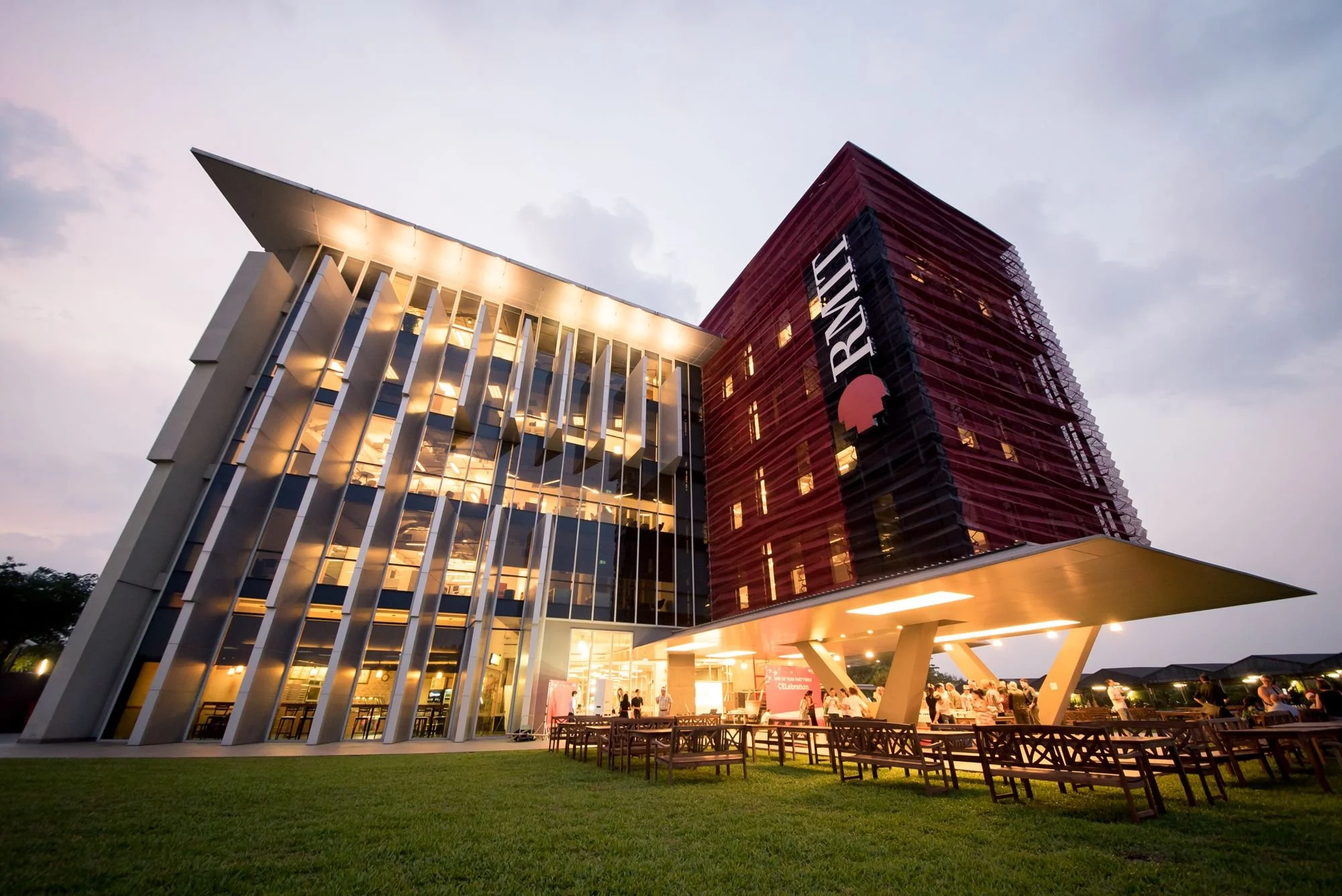
RMIT University has secured government approvals for a new Hanoi campus and the redevelopment of its Saigon South campus in Vietnam.
RMIT University has secured Vietnamese government approval for a two-part campus expansion that will triple its capacity in Hanoi and add new teaching, research and student facilities at Saigon South.
The university has received an Investment Registration Certificate for its planned Hanoi campus and a Foreign Branch Campus license covering Saigon South. The latter makes RMIT Vietnam the first foreign branch campus approved under the country’s higher education reforms.
The approvals establish the regulatory basis for the projects, but RMIT has not disclosed their cost, construction schedules or expected opening and completion dates.
Two campuses, different expansion plans
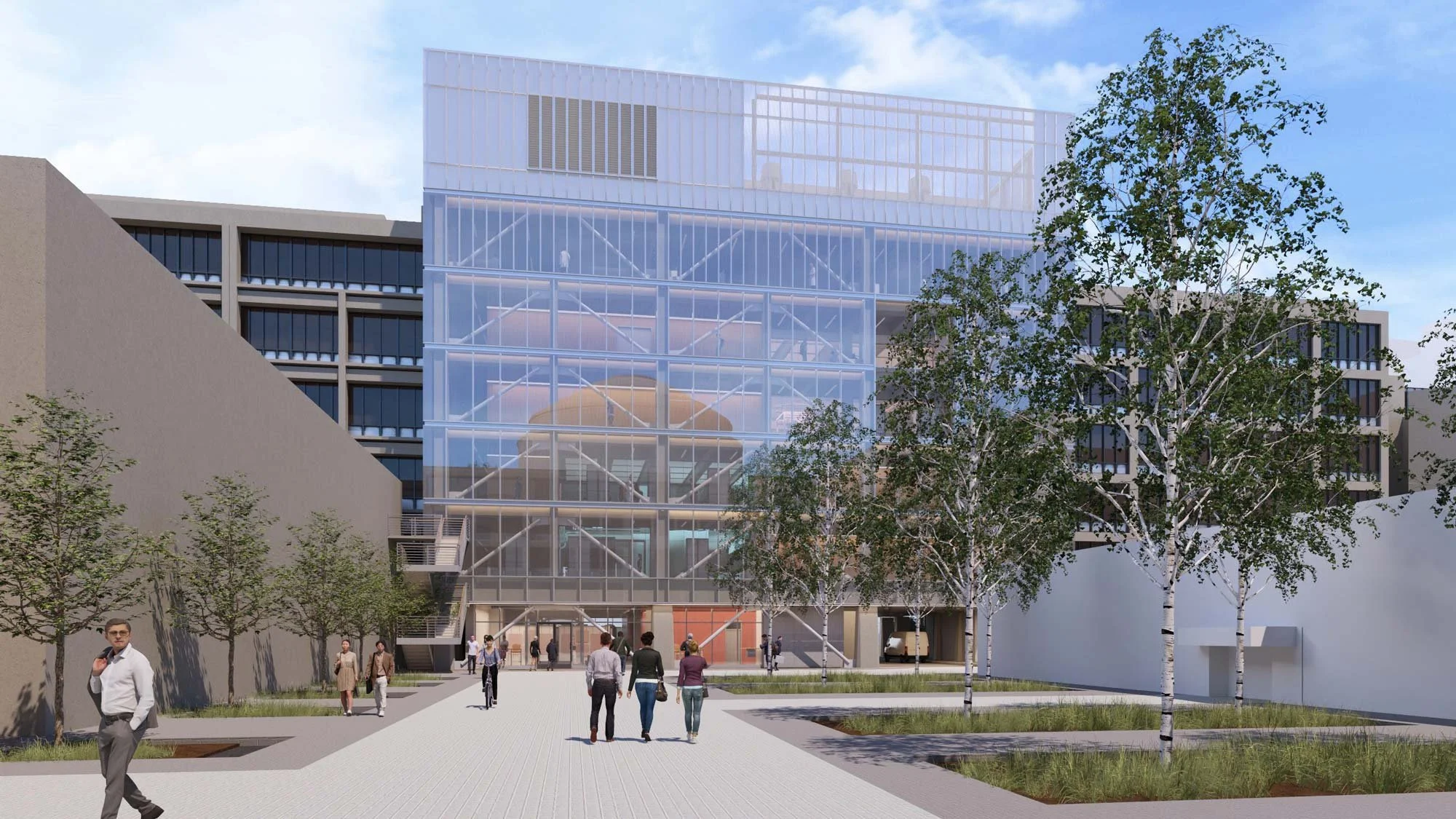
In Hanoi, RMIT intends to establish a new campus, increase its capacity threefold and expand the number of programs it offers. The university says this will allow it to provide international higher education to more students, although it has not specified how many additional places or programs will be created.
The existing Saigon South campus will follow a different model. RMIT plans to redevelop the site with new buildings and facilities supporting teaching, learning and the student experience. Its announcement also refers to further research and innovation opportunities, without detailing the planned facilities or areas of research.
Professor Scott Thompson-Whiteside, RMIT Vietnam Pro Vice-Chancellor and General Director, positions the projects as a continuation of the university’s existing presence in the country.
“The new RMIT Vietnam campus in Hanoi and expanded Saigon South campus will ensure we continue meeting the needs of students and the local community,” he says.
RMIT Vietnam was established more than 25 years ago at the invitation of the Vietnamese government and became the country’s first foreign university. It currently offers 19 undergraduate programs and several postgraduate options.
Approval follows Vietnam’s higher education reforms
Vietnam’s higher education reforms created a route through which eligible international universities can establish foreign branch campuses in the country.
The stated conditions include being ranked among the world’s top 500 universities during the previous three years and meeting a minimum investment requirement of VND500 billion.
The approvals were announced during a visit to Australia by Mr To Lam, General Secretary of the Central Committee of the Communist Party of Vietnam and President of the Socialist Republic of Vietnam.
Professor Alec Cameron, RMIT University Vice-Chancellor and President, connects the expansion with the relationship between the two countries: “Our expanded footprint, with a new Hanoi campus and Saigon South redevelopment, will strengthen the role of education in advancing the Australia–Vietnam relationship and support Vietnam’s next generation of leaders, innovators and professionals.”